Lyrid Meteor Shower Peaks in the Northern Hemisphere
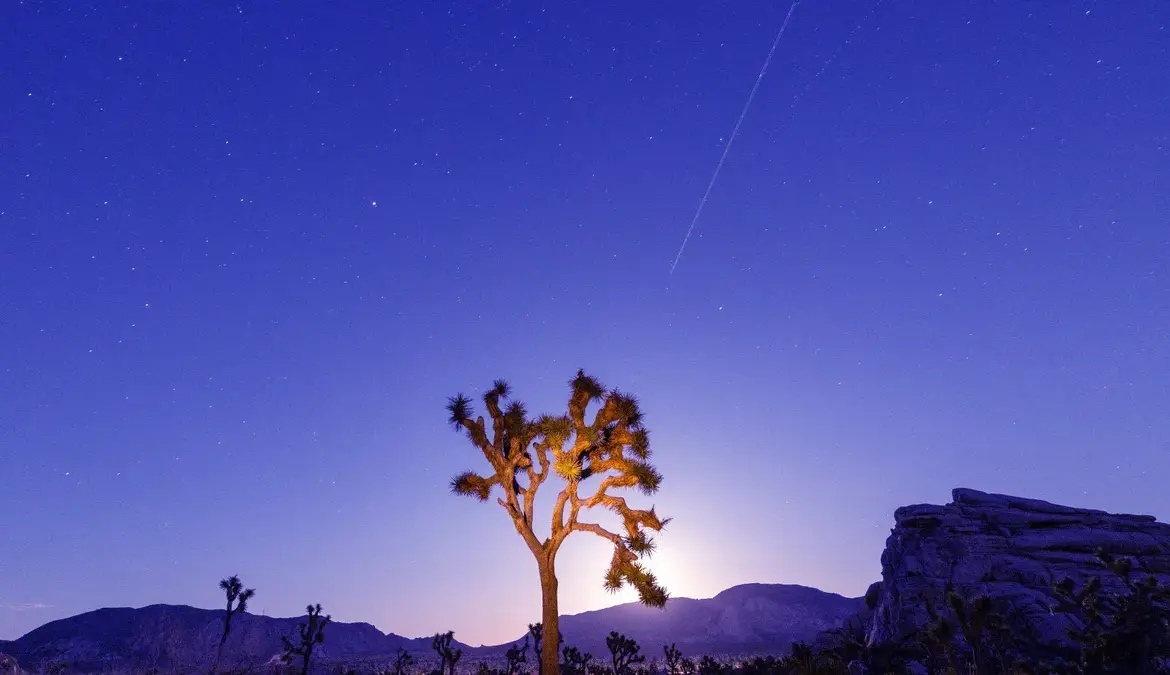
The Lyrid meteor shower is set to peak from April 21 to April 22, lighting up the night sky for stargazers across the Northern Hemisphere. This annual event offers a chance to witness up to 15–20 meteors per hour under clear conditions, a spectacle that can bring communities together under the stars.
Known for their speed and brightness, the Lyrids often leave glowing trails as they streak through the atmosphere. Observers can expect a breathtaking display, especially after midnight when the radiant point—the area where the meteors appear to originate—rises higher in the sky.
The meteors are remnants of Comet C/1861 G1 Thatcher and have been observed for more than 2,700 years. In fact, historical records show that these meteors were first noted as far back as 687 BC. “The Lyrids are among the oldest recorded meteor showers,” an astronomy enthusiast mentioned during a local star party in London.
For those hoping to catch a glimpse of this celestial event in the UK, it’s advisable to allow about 30 minutes for your eyes to adjust to the darkness. This simple step can make all the difference in spotting these fleeting lights against the backdrop of night.
As you gaze upward toward Lyra—home to its brightest star, Vega—remember that you’re part of a long tradition of skywatchers. The excitement of seeing a meteor flash across your field of vision is universal and timeless.
While many will enjoy this natural wonder, some may find it challenging due to light pollution in urban areas. Yet even in cities, there are pockets where one can escape bright lights and enjoy this cosmic show.
The Lyrids are not just a scientific phenomenon; they hold cultural significance too. Communities often gather for viewing parties, sharing stories and laughter as they await each new meteor. It’s a reminder of how celestial events can foster connection among people.
Details remain unconfirmed on whether this year’s shower will exceed expectations or present unique patterns. However, anticipation is high as enthusiasts prepare their blankets and telescopes.