Lockdown in India: A Reflection on Six Years Since the Nationwide Lockdown
What does the spike in searches for ‘lockdown in India’ on March 24, 2026, signify? It reflects a community still grappling with the memories and implications of the nationwide lockdown that was first announced on this date in 2020. As of now, there are only seven active Covid-19 infections reported in the country, indicating a significant decline in cases compared to previous years.
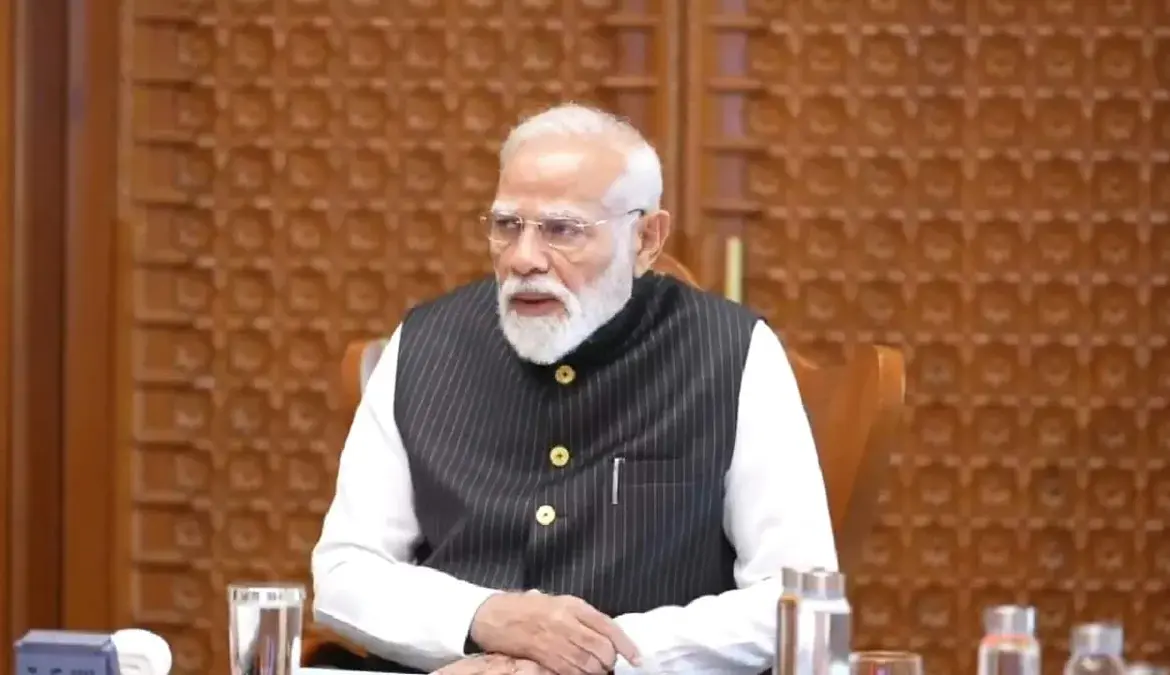
The original lockdown, which lasted for 21 days, was a drastic measure aimed at curbing the spread of Covid-19, and it has left a lasting impact on the nation. Prime Minister Narendra Modi’s announcement on March 24, 2020, marked a pivotal moment in India’s public health response.
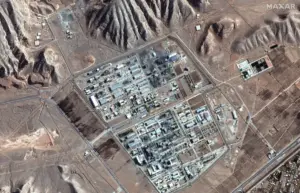
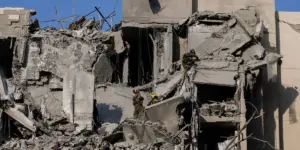
Fast forward to 2026, and the world is facing new challenges. The US-Iran conflict, which began on February 28, 2026, has raised global concerns about energy supply chains, leading to a sharp increase in Brent crude oil prices from approximately $78 to around $112 per barrel. This situation has sparked fears that India might consider reintroducing lockdown measures to manage the crisis.
However, the Indian government has made it clear that no lockdown measures are currently being considered in response to the energy situation. PM Modi emphasized, “The government is in constant touch with suppliers across the world, and efforts are being made to ensure oil and gas supplies are received from wherever possible.” He also stated, “India is therefore accelerating all the resilience-building measures that have been undertaken over the past years.”
Despite the rising oil prices and social media amplifying fears of a potential lockdown, the government has not issued any advisories or notifications regarding lockdown measures. The Ministry of Petroleum and Natural Gas has only provided routine advisories about energy conservation.
As the anniversary of the lockdown approaches, it is essential to recognize the resilience of the Indian community. The government has diversified crude oil imports from 27 to 41 supplier countries, showcasing a proactive approach to ensure energy security.
While the current situation remains stable with low Covid-19 cases, the community’s concerns about energy supply and potential lockdowns highlight the interconnectedness of global events and local responses. The honest answer from officials is that while there is concern, there is no panic.
As we reflect on the past six years, the lessons learned from the initial lockdown continue to shape India’s approach to public health and crisis management. The future remains uncertain, but the commitment to ensuring a steady supply of petrol and diesel is a priority for the government.
Details remain unconfirmed regarding any future measures, but the community is encouraged to stay informed and prepared as the situation evolves.