Lockdown in India 2026: Public Anxiety Amidst Global Crisis
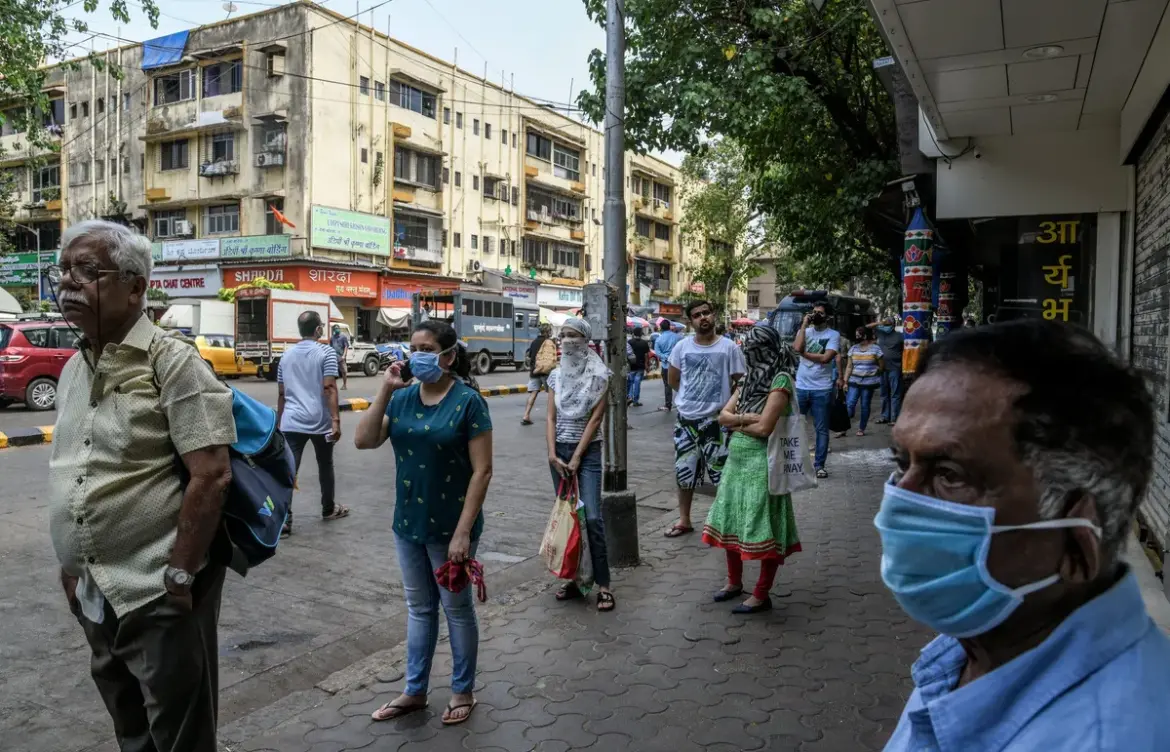
“Lockdown in India 2026 trended because of panic, not policy,” a sentiment echoed by many as the six-year anniversary of India’s first nationwide COVID-19 lockdown approaches. On March 24, 2026, this phrase surged in popularity on Google, reflecting a wave of public anxiety rather than any official government action.
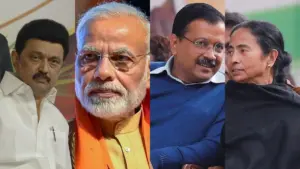
As of February 2, 2026, India reported just seven active COVID-19 infections, a stark contrast to the situation in 2020 when Prime Minister Narendra Modi announced the first lockdown. During his parliamentary addresses on March 23 and 24, 2026, PM Modi did not announce any new lockdown measures, reassuring citizens that the government is focused on preparedness and unity in the face of ongoing global challenges.
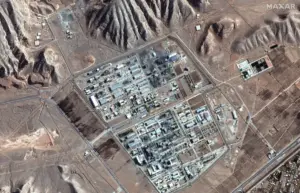
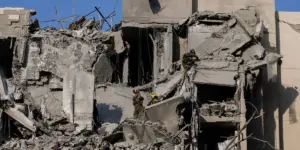
The backdrop of this anxiety stems from escalating tensions in the Middle East, particularly following US-Israeli strikes on Iran on February 28, 2026. The conflict has led to a significant rise in global crude oil prices, climbing from approximately $78 to around $112 per barrel, a 43% increase that has raised concerns about energy supply chains worldwide.
In response to these developments, the Indian government has proactively diversified its crude oil imports, increasing the number of countries it sources oil from from 27 to 41. This move aims to mitigate the impact of the energy crisis on the Indian economy and ensure stability for its citizens.
PM Modi emphasized, “In the past too, our government did not allow the burden of global crises to fall on the farmers,” highlighting the administration’s commitment to protecting vulnerable sectors of society. He also stated, “India views dialogue and diplomacy as the only path to restoring peace in the Middle East,” reinforcing the country’s stance on international relations.
Despite the rising search trends and public concern, no state government in India has announced any emergency restrictions related to the current situation. The government has formed a daily inter-ministerial monitoring group to manage energy supply chains effectively, ensuring that the country remains resilient in these challenging times.
As the situation unfolds, details remain unconfirmed regarding the long-term impacts of the Iran conflict on India’s energy supply and economic stability. However, the government continues to monitor the situation closely, aiming to reassure the public and maintain stability.