Lindsey Graham’s Role in Today’s Political Landscape
Introduction
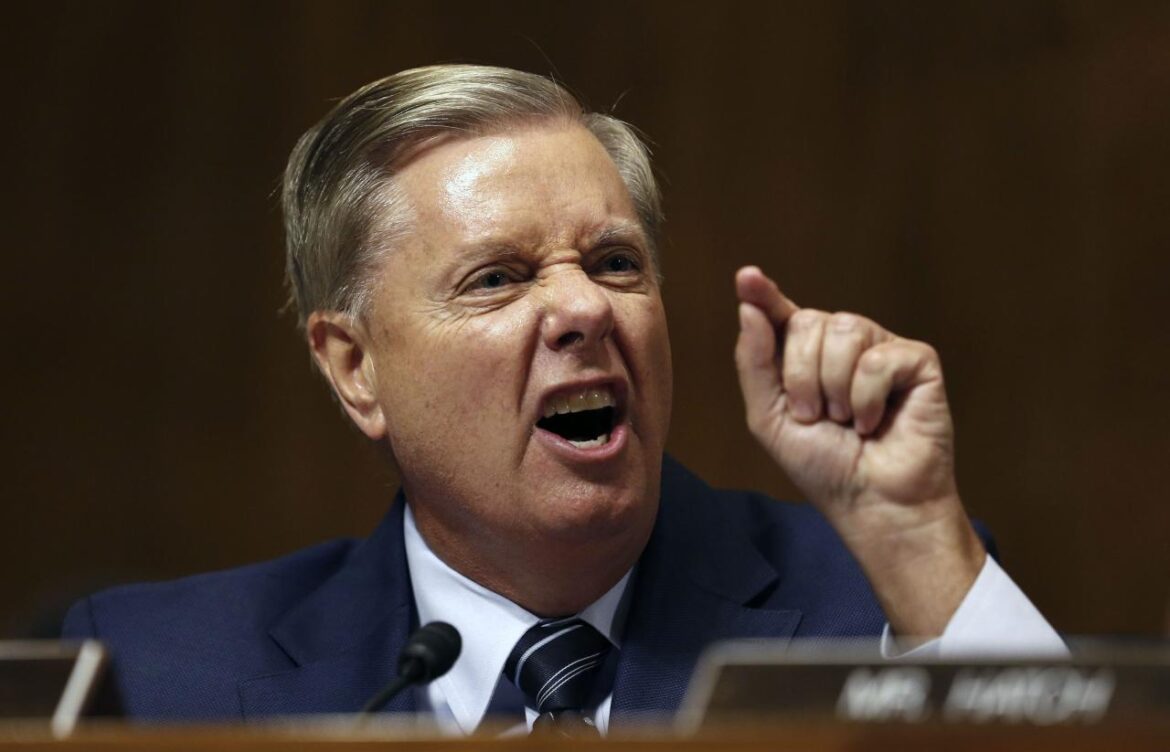
Lindsey Graham, a prominent Republican senator from South Carolina, has long been a significant figure in American politics. His voice on various issues, including foreign policy, judicial appointments, and domestic security, has positioned him as a key player in current Congressional debates. Understanding Graham’s impact is essential for grasping the dynamics within the U.S. political landscape, especially as key legislation and elections approach.
Recent Actions and Legislative Focus
In recent months, Senator Graham has been vocal regarding several major issues impacting the nation. He has actively participated in discussions surrounding national security, particularly related to the ongoing conflict in Ukraine. As a leading voice for increased military aid to Ukraine, Graham has emphasized the importance of supporting allies against authoritarian regimes.
Additionally, Graham has played a critical role in the Senate Judiciary Committee, influencing judicial nominations, particularly those made by President Biden. His perspective resonates in the polarizing environment surrounding judicial appointments, where he seeks to balance party interests with the necessity of maintaining judicial integrity.
Challenges and Controversies
Despite his significant influence, Graham faces challenges within his party and from constituents. His willingness to occasionally break from party lines has drawn criticism from more extreme factions of the Republican Party. His past support for bipartisan measures, including immigration reform, has been scrutinized, intensifying conversations about party loyalty and governance.
Conclusion
Lindsey Graham’s role in U.S. politics illustrates the intricate interplay between partisanship and governance. As the country heads into the 2024 elections, his positions will be critical in shaping the Republican agenda. Observers will be closely watching how Graham navigates his influence amidst both support and opposition within the party. His responses to emerging challenges will undoubtedly impact not only his political future but also broader legislative outcomes in Congress.