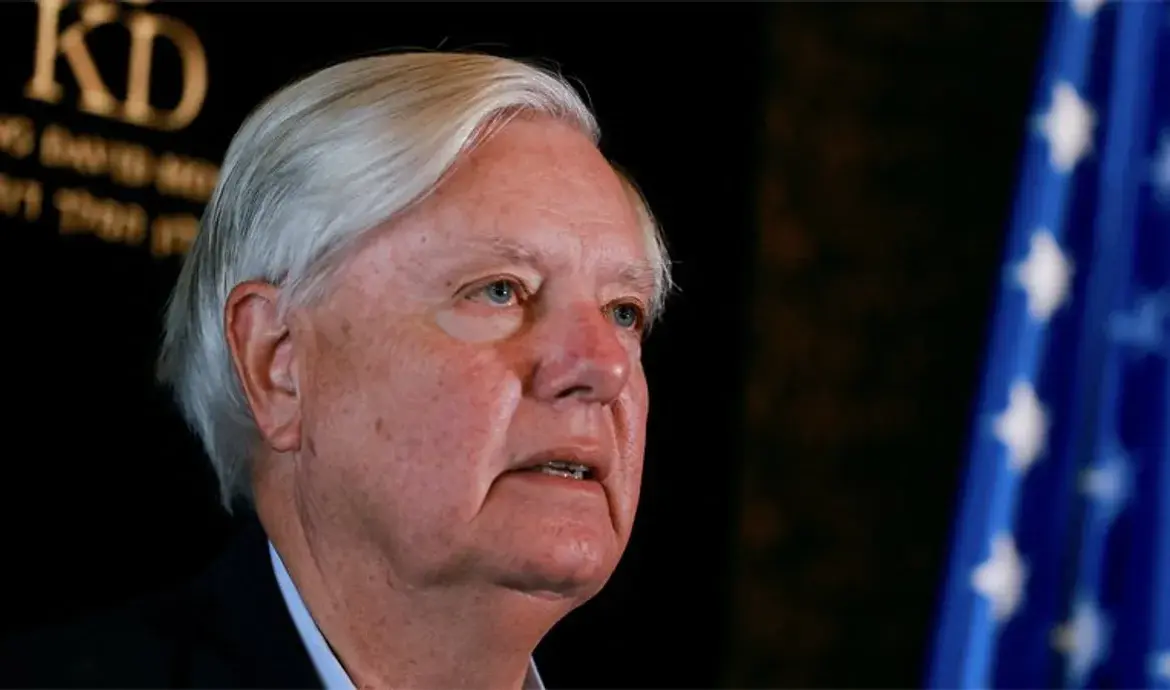
Lindsey Graham: Recent Developments and Political Influence
Introduction
Lindsey Graham, the Republican Senator from South Carolina, has been a prominent figure in U.S. politics for over two decades. With his recent involvement in significant legislative issues and high-profile committee assignments, Graham continues to play a vital role in shaping policy and political discourse in Washington. His actions and stances draw attention from constituents and political analysts alike, making it essential to stay informed about his latest developments and their implications.
Current Political Landscape
In recent months, Graham has been at the forefront of several key issues, including the debate on immigration reform, foreign policy, and national security. His vocal support for increased funding for border security reflects his commitment to addressing illegal immigration, an issue that resonates deeply with his voter base. Furthermore, Graham’s recent trips abroad to meet with military leaders and diplomats underscore his enduring focus on foreign relations, particularly concerning Russia and China.
Committee Involvement
As a member of the Senate Judiciary Committee, Graham has taken an active role in overseeing judicial appointments and investigating matters related to the justice system. His position has placed him in contentious interactions with both Democratic and Republican colleagues, especially in the context of Supreme Court nominations and legislation aimed at reforming policing and civil rights. Graham’s assertive questioning style has earned him both supporters and critics, establishing him as a central figure in the evolving narrative around judicial integrity.
Public Reception and Controversies
Despite his influential position, Graham’s political career has not been without controversy. He faced backlash during the COVID-19 pandemic for his stance on public health measures and has been criticized for his shifting positions on former President Trump. Recent polls indicate a divided opinion among the electorate, with some constituents praising his strong leadership while others express frustration over perceived inconsistency. This duality emphasizes the complexities surrounding Graham’s political persona.
Conclusion
Lindsey Graham remains a significant player in American politics, with his recent stances and committee work shaping the legislative agenda ahead. As the 2024 election year approaches, his actions will undoubtedly influence not only his political career but also the broader Republican Party’s strategies. For voters and analysts, understanding Graham’s positions and motivations is crucial as discussions around pivotal issues unfold in Washington. His blend of tradition and adaptation may determine his future relevance in an ever-evolving political landscape.