Kp sharma oli: K.P. Sharma Oli Arrested in Bhaktapur Amidst Protests
The wider picture
The Gen Z protests were a significant response to the ongoing economic hardships and governance issues that have plagued Nepal for years. These protests, which erupted in September 2025, tragically resulted in the loss of 76 lives, with at least 19 individuals killed during police firing on September 8, 2025. The unrest highlighted the frustrations of the youth, who demanded accountability and clean governance from their leaders.
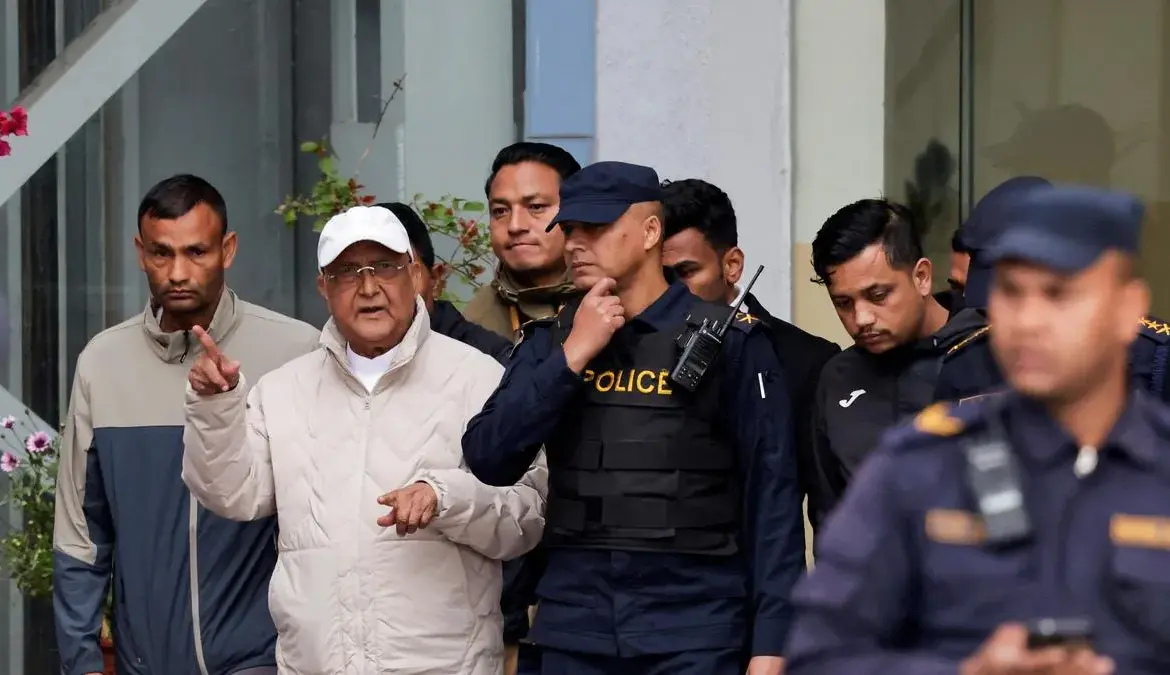
In a dramatic turn of events, K.P. Sharma Oli, the former Prime Minister and leader of the Communist Party of Nepal (Unified Marxist–Leninist), was arrested on March 28, 2026, from his residence in Gundu, Bhaktapur. This arrest came just a day after a new government led by Balendra Shah was sworn in, marking a pivotal shift in Nepal’s political landscape. The timing of the arrest has raised eyebrows and sparked discussions about the motivations behind it.
Oli’s arrest stems from charges of culpable homicide related to the Gen Z protests, as a probe commission recommended prosecution for negligent killings. The commission’s report, submitted to the outgoing government on March 8, 2026, has been a catalyst for these legal actions. Alongside Oli, Ramesh Lekhak was also arrested in Suryabinayak, Bhaktapur, further intensifying the political drama unfolding in the nation.
Following the arrests, Sudhan Gurung, the new Home Minister, stated, “A promise is a promise: No one is above the law,” emphasizing the government’s commitment to justice. Gurung described the arrests as the beginning of justice, a sentiment echoed by many who have long sought accountability for the violence that marred the protests. However, this perspective is not universally accepted.
Oli’s party has vehemently opposed the arrests, claiming they are politically motivated and unconstitutional. Yogesh Bhattarai, a spokesperson for the Communist Party, declared, “We will protest in the strongest form as our chairman Oli has been arrested unconstitutionally and illegally.” This statement reflects the deep divisions within Nepal’s political landscape and the potential for further unrest as supporters rally around their leader.
As the situation unfolds, observers are keenly watching how the legal proceedings will develop. A decision regarding the custody of both Oli and Lekhak is expected once the courts reopen on Sunday. This will be a crucial moment, as it will determine the next steps in this politically charged environment.
Amidst the turmoil, voices from the community remind us of the need for justice to be served through the rule of law rather than the rule by law. Hari Sharma, a local activist, stated, “The youth demanded clean governance and accountability, but this must be achieved through the rule of law, not rule by law.” This sentiment resonates deeply with many who participated in the protests, highlighting the ongoing struggle for a more just and equitable society in Nepal.
As the community grapples with the implications of these arrests, the hope for a peaceful resolution and a commitment to accountability remains a shared aspiration among the citizens of Nepal. The coming days will be pivotal in shaping the future of the nation’s political landscape and the quest for justice following the tragic events of the Gen Z protests.