Key Takeaways from the Latest Fed Meeting
Introduction
The recent Federal Reserve meeting, held on October 31, 2023, has garnered significant attention among economists, financial markets, and everyday citizens alike. As the central bank navigates the complex landscape of inflation, interest rates, and economic growth, understanding the outcomes of these meetings is vital for predicting future economic conditions and making informed decisions.
Summary of the Meeting
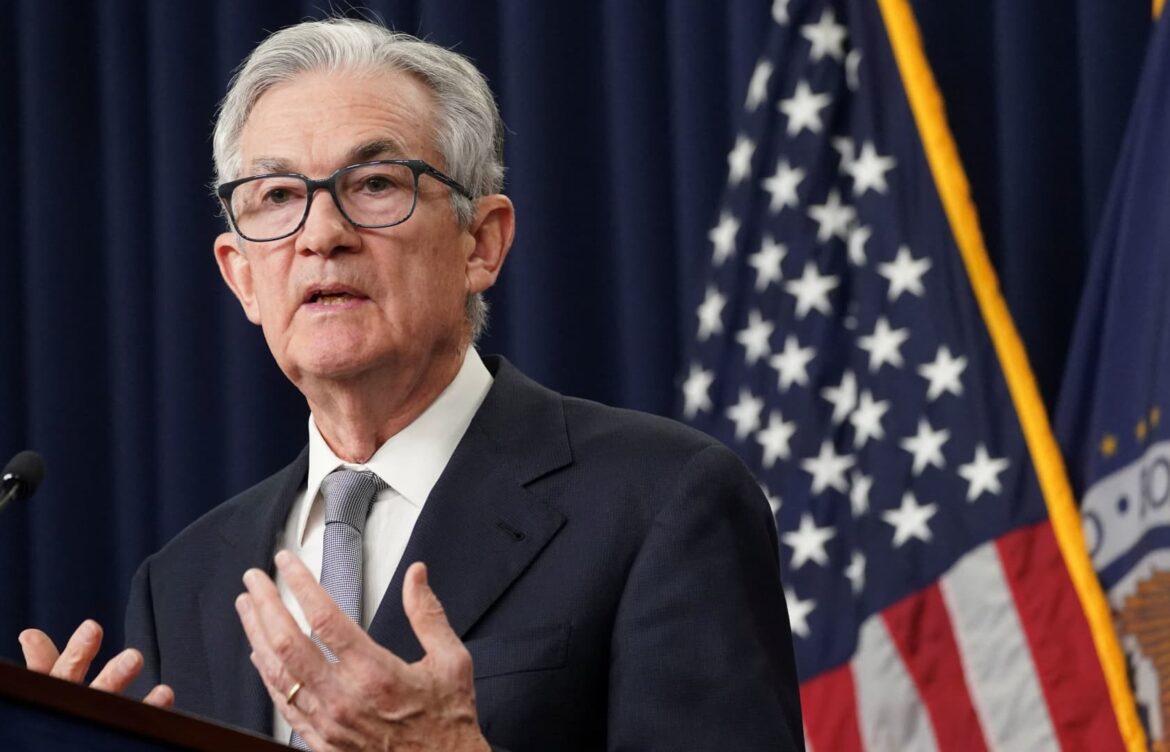
During the meeting, Fed Chair Jerome Powell announced that the central bank would maintain the current interest rate at 5.25-5.50%. This decision comes as inflation rates have shown signs of stabilization at around 3.7%, slightly above the Fed’s target of 2%. The committee indicated that it will remain vigilant, citing ongoing concerns regarding supply chain disruptions and labor market constraints, which continue to impact inflationary pressures.
Key Discussions
In this meeting, the Federal Open Market Committee (FOMC) also discussed the outlook for economic growth. Projections suggest a slow but steady growth rate of around 1.5% for the final quarter of 2023, down from earlier estimates due to rising oil prices and geopolitical tensions affecting global markets. The committee emphasized the importance of assessing economic indicators closely and signaled that any future changes to the monetary policy would depend on the evolving economic landscape.
Market Reactions
Following the announcement, stock markets reacted positively, as investors welcomed the Fed’s cautious approach. The Dow Jones Industrial Average rose by 250 points, reflecting investor confidence in the Fed’s handling of economic challenges. Moreover, Treasury yields experienced a slight decline, suggesting that market participants expect the Fed to maintain its current rate for a more extended period.
Conclusion and Future Outlook
The outcomes of this Fed meeting are significant not only for immediate economic policy but also for the broader outlook into 2024 and beyond. Investors and consumers alike should keep an eye on future Fed communications, as the central bank navigates tricky waters with inflation and economic resilience. Analysts project that, barring unexpected economic shocks, the Fed may remain vigilant but on hold through early 2024, providing a stabilizing effect on both markets and consumer confidence.
As the next meeting approaches in December, the Fed’s actions and communications will continue to have a profound impact on economic sentiment and financial planning across various sectors.