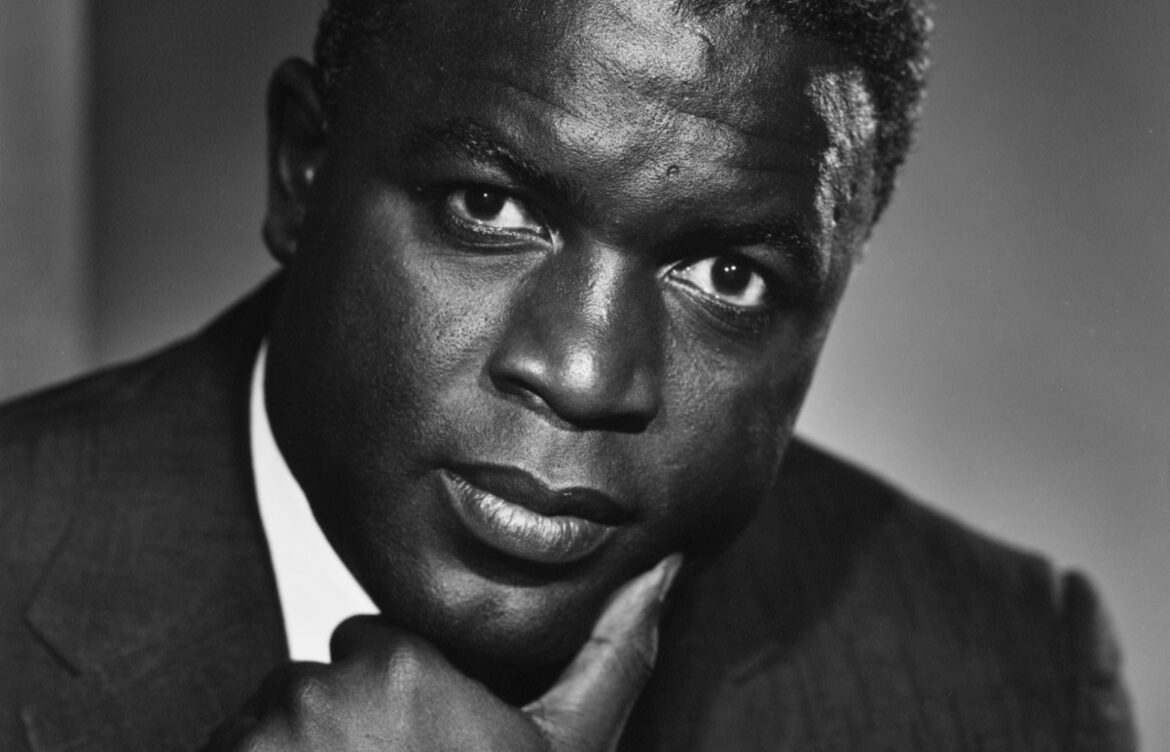
Jackie Robinson: Breaking Barriers in Baseball
Introduction
Jackie Robinson is a name that resonates far beyond the baseball diamond. As the first African American to play in Major League Baseball (MLB) during the modern era, Robinson broke racial barriers and became an icon of the civil rights movement. His debut on April 15, 1947, with the Brooklyn Dodgers not only changed the sport but also paved the way for future generations of athletes. Understanding his impact on both baseball and society highlights the enduring relevance of his legacy.
Career Milestones and Impact
Robinson’s journey to the MLB was filled with challenges and trials. After serving in the U.S. Army during World War II, he played in the Negro Leagues with the Kansas City Monarchs before being signed by the Dodgers. His entry into the league was met with hostility and prejudice, yet he persevered through it all, earning the respect of fans and fellow players alike.
In his rookie season, Robinson not only won the National League Rookie of the Year award but also made an immediate impact on the field. He was known for his exceptional skills, base running, and incredible versatility, contributing to the Dodgers’ success. Over his 10-year career, he was a six-time All-Star and won the league’s MVP award in 1949. His influence extended off the field as he actively participated in civil rights discussions and used his platform to advocate for equality.
Recent Commemorations and Legacy
April 15th is recognized annually as Jackie Robinson Day in MLB, a day to honor his contributions and legacy. Players across the league wear his iconic number 42, a tribute to his groundbreaking role in integrating baseball. Recently, various teams and organizations have organized events to celebrate Robinson’s life, including documentaries and educational outreach to underscore his importance in American history.
Furthermore, schools, parks, and streets are being named after Robinson, ensuring that his legacy continues to inspire future generations. As discussions around diversity, equity, and inclusion remain relevant today, Robinson’s story serves as a powerful reminder of the impact one individual can have on society.
Conclusion
Jackie Robinson’s legacy as a trailblazer in baseball and civil rights is essential in understanding American history. His courage in breaking down racial barriers has influenced sports and society at large. As we reflect on his contributions, it is important to continue advocating for equality in all areas of life. The significance of Jackie Robinson extends beyond baseball; it teaches us about resilience, perseverance, and the ongoing quest for justice in our communities.