Remembering the Dale Earnhardt Crash: Legacy and Safety Changes
Introduction
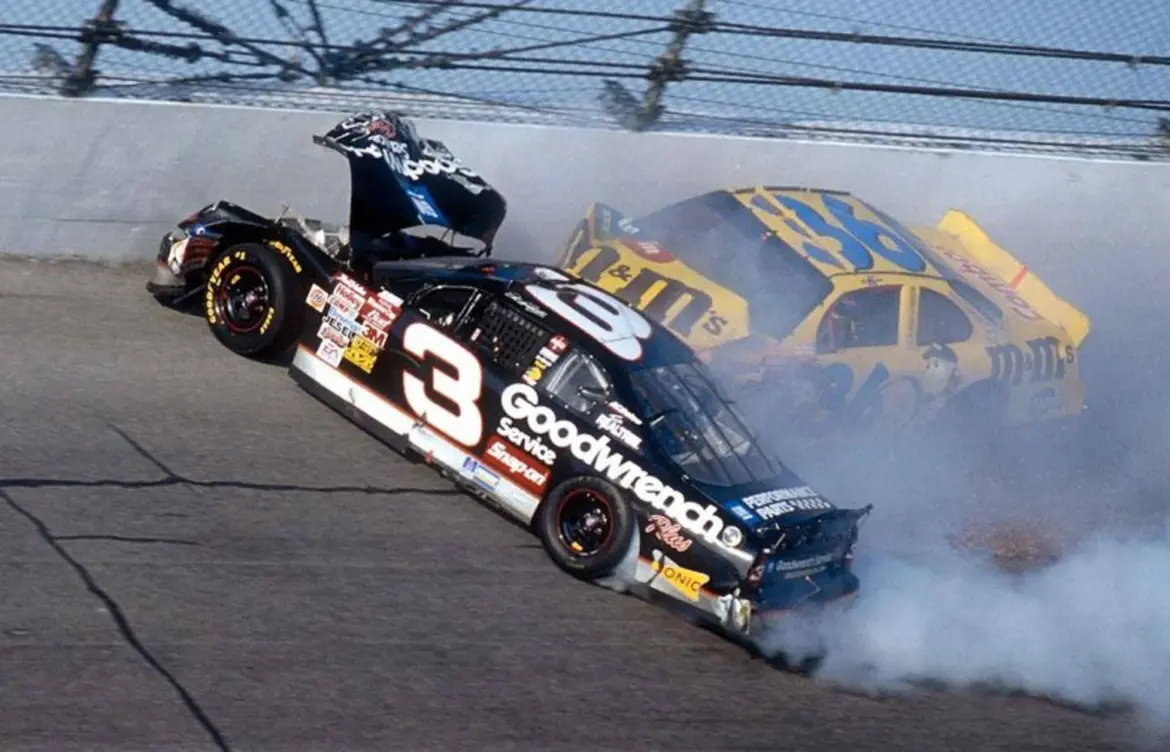
The Dale Earnhardt crash, which occurred on February 18, 2001, during the final lap of the Daytona 500, remains one of the most pivotal moments in NASCAR history. With Earnhardt being a prominent figure in the sport, his untimely death shook fans and prompted a reevaluation of safety protocols in racing. This event has had lasting implications, significantly influencing how motorsports prioritize driver safety today.
The Events of the Crash
During the 2001 Daytona 500, Dale Earnhardt was racing in a position to contend for victory when a multi-car accident unfolded. Earnhardt’s car made contact with the wall at a high rate of speed, resulting in a fatal crash. Despite the brutal impact, many were shocked to learn that Earnhardt’s death was primarily attributed to a basilar skull fracture, marking a grim reality about the dangers associated with high-speed racing.
The Impact on NASCAR
Earnhardt’s death prompted immediate action within NASCAR. In the aftermath of the crash, the organization implemented significant changes to enhance driver safety. Key measures included the introduction of the Head and Neck Support (HANS) device, mandatory use of safety harnesses, and advancements in car structures designed to absorb impacts better. Additionally, NASCAR made strides in better communication regarding safety protocols with team owners and drivers alike.
A Lasting Legacy
The legacy of Dale Earnhardt extends beyond his achievements on the racetrack. He became a symbol for the need for improved safety in motorsports, leading to numerous initiatives aimed at protecting drivers. The NASCAR Hall of Fame even designated the week of his passing as a time for reflection on safety advancements in racing. Furthermore, the Dale Earnhardt Foundation continues to honor his memory through philanthropic efforts in education and community support.
Conclusion
The Dale Earnhardt crash serves as a reminder of the inherent risks in auto racing while also highlighting the advancements that can emerge from tragedy. Since Earnhardt’s accident, NASCAR has made great strides in safety, illustrating the sport’s commitment to protecting its drivers. As fans remember Earnhardt and his contributions to racing, they also recognize the importance of ongoing advancements in safety that continue to shape the future of NASCAR.