Israel Iran War Strait of Hormuz: Escalating Tensions
The ongoing conflict between Israel and Iran has reached a critical juncture, with significant implications for Gulf security and global oil shipping. Recent reports indicate that the United States and Israel have intensified their military operations against Iran, leading to a series of retaliatory strikes by Iran against Israel and several Gulf nations.
As tensions rise, Iran’s Foreign Minister, Abbas Araghchi, has made it clear that Tehran will continue its “resistance” and does not intend to negotiate. This defiance comes amid the U.S. military’s successful strikes on two-thirds of Iran’s missile and drone production facilities, underscoring the escalating nature of the conflict.
In a worrying development, Iran has warned that its enemies may attempt to occupy one of its islands with support from a regional country, further heightening regional tensions. The Gulf Cooperation Council has condemned Iran’s military actions, particularly its closure of the vital Strait of Hormuz, a critical waterway for global oil shipping.
On the ground, the situation remains volatile. A Thai-flagged cargo vessel was struck by projectiles in the Strait of Hormuz, leading to the vessel running aground near Iran’s Qeshm Island. Fortunately, 20 crew members were rescued, although three remain missing.
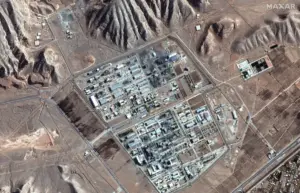
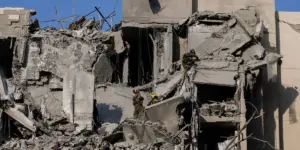
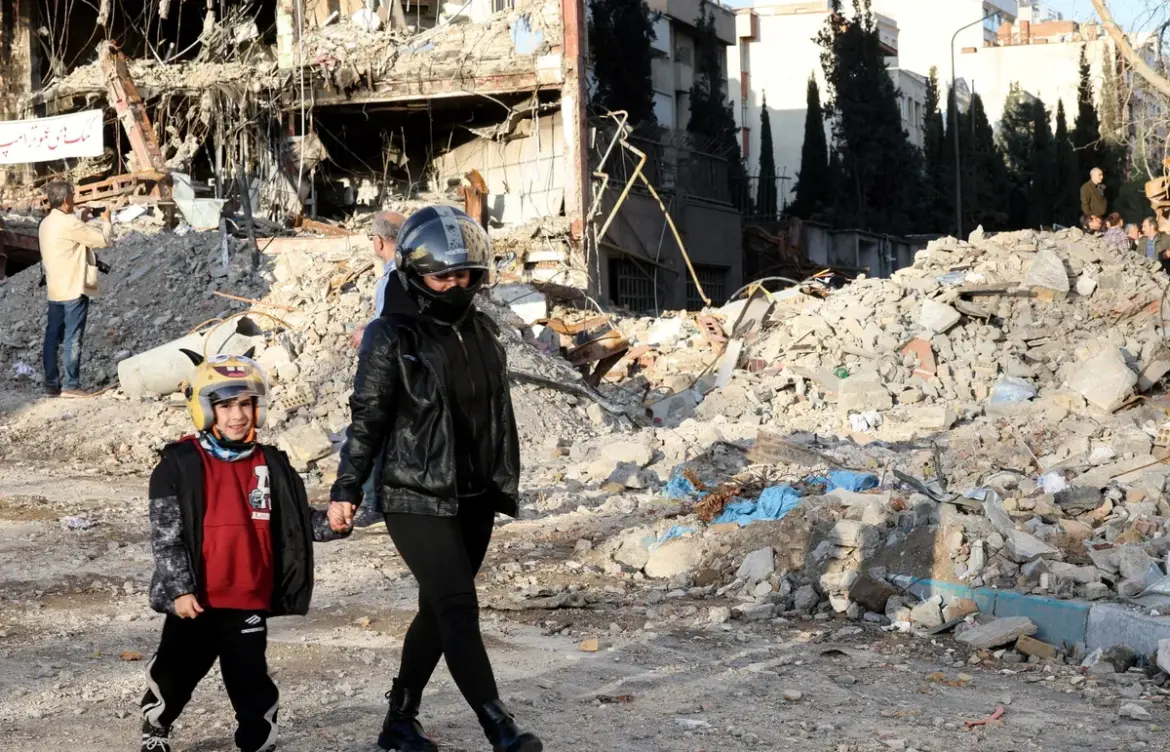
In Israel, the military has conducted strikes on infrastructure targets in Tehran, resulting in six individuals wounded from Iranian missile attacks. The International Atomic Energy Agency (IAEA) has expressed deep concern over strikes near Iran’s Bushehr Nuclear Power Plant, emphasizing the potential for a broader crisis.
Former President Trump has indicated that U.S. military operations against Iran are ahead of schedule, with discussions of deploying an additional 10,000 ground troops to the Middle East. Meanwhile, Hezbollah has vowed to continue its confrontation against both Israel and the U.S., indicating that the conflict may expand further.
As the situation evolves, the price of Brent oil has surged to $100 per barrel, reflecting the market’s reaction to the heightened risks in the region. The Iranian parliament is also preparing a draft law to collect tolls from ships transiting the Strait of Hormuz, which could further complicate maritime operations.
With the conflict now entering its 27th day, the stakes are higher than ever. The potential for further military escalation looms large, and the international community watches closely as developments unfold. Details remain unconfirmed.