Israel Iran Attack: Escalation in Conflict
Background of the Conflict
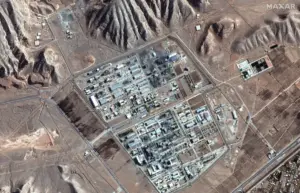
Iran has sought to spread its influence across the Middle East by backing militant groups and developing a nuclear program. This has led to ongoing tensions with Israel, which perceives Iran’s actions as a direct threat to its national security. The situation has escalated in recent weeks, with both nations engaging in military actions that have resulted in significant casualties and destruction.
Recent Developments
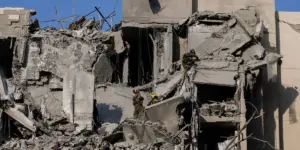
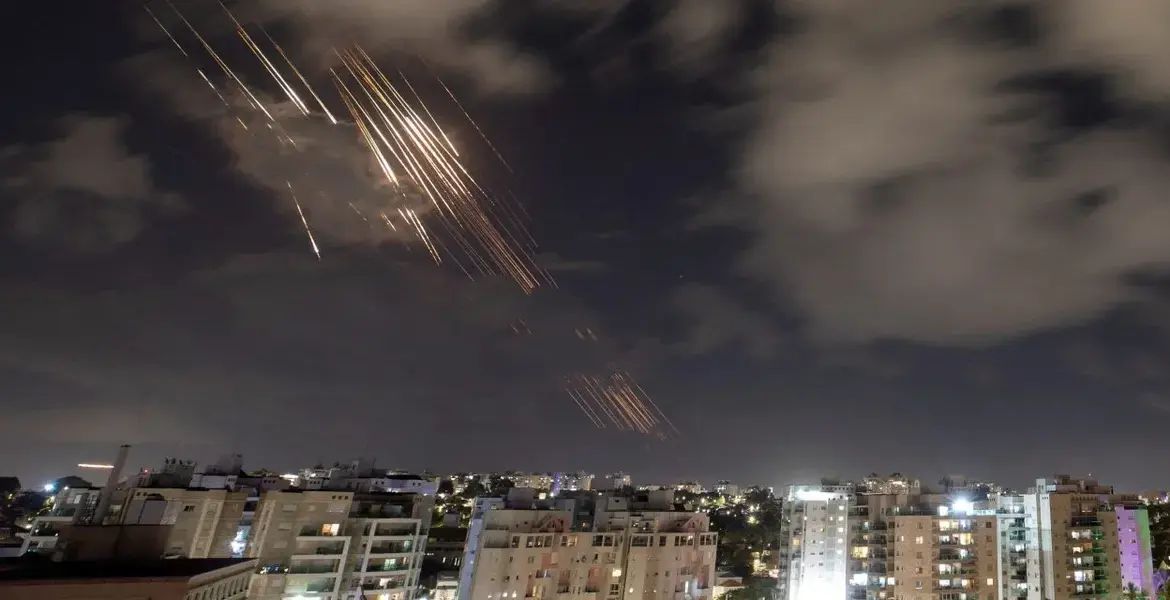
On March 6, 2026, explosions were reported in Tehran as Iran retaliated by firing missiles at Israel. This marked a significant escalation in the conflict, with Iranian-backed Hezbollah also reporting clashes with Israeli forces in eastern Lebanon. The fighting has resulted in at least 1,230 deaths in Iran, over 200 in Lebanon, and around a dozen in Israel, highlighting the severe human cost of the ongoing hostilities.
International Reactions
The United States has warned of an impending bombing campaign that could be the most intense yet in the conflict. U.S. Treasury Secretary Scott Bessent indicated that the biggest bombing campaign of the war was still to come. In response to the escalating violence, the U.S. approved a $151 million arms sale to Israel, further solidifying its support for the Israeli military efforts.
Statements from Key Parties
Iran’s U.N. ambassador, Amir-Saeid Iravani, stated that the country would take all necessary measures to defend itself, condemning the actions of the U.S. and Israel. He described the ongoing military actions as “clear war crimes and crimes against humanity.” Meanwhile, former President Donald Trump emphasized a hardline stance, declaring, “There will be no deal with Iran except UNCONDITIONAL SURRENDER!” This rhetoric underscores the high stakes involved in the conflict.
The conflict has led to significant civilian casualties and displacement, particularly in Lebanon, where reports indicate that 217 people have died due to Israeli strikes, with an additional 798 wounded. In Iran, an explosion at a school killed 165 students, which Iran has attributed to U.S. and Israeli actions. Civilians in both countries are facing dire circumstances as military operations continue.
Military Actions and Future Outlook
Israel has conducted extensive airstrikes targeting Iranian military capabilities and leadership, while Iran has launched missiles targeting Israel, causing civilians to seek shelter. Observers are closely monitoring the situation, as the potential for further escalation remains high. Details remain unconfirmed regarding the full extent of military operations planned by both sides.
The Israel-Iran conflict continues to evolve, with both nations entrenched in a cycle of retaliation and military engagement. As the situation develops, the international community remains watchful, aware that the consequences of this conflict could extend far beyond the immediate region.