IRGC Takes Control in Iran Amid Political Turmoil
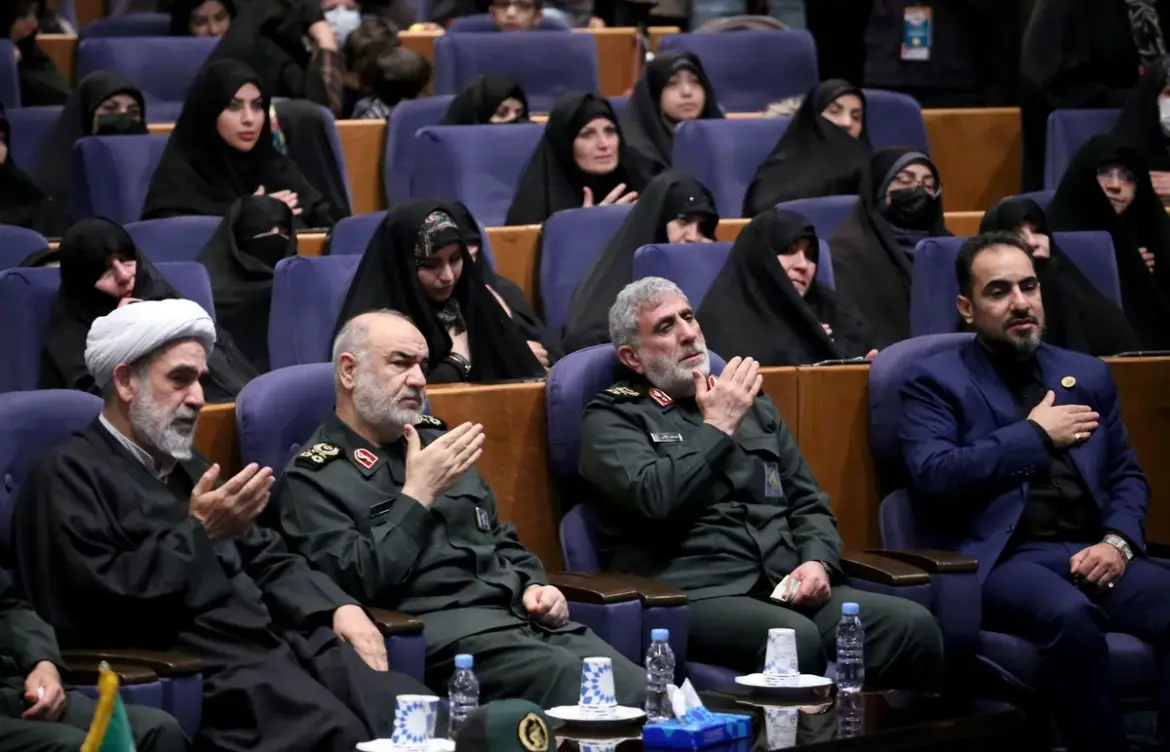
What does the recent consolidation of power by the Islamic Revolutionary Guard Corps (IRGC) mean for Iran’s political landscape? The IRGC has effectively assumed control amid a power struggle with President Masoud Pezeshkian, who has found himself in a “complete political deadlock.” This shift marks a significant moment in Iran’s governance, as the IRGC now oversees key state functions.
The backdrop to this power grab includes the mysterious absence of Mojtaba Khamenei, who has not been seen or heard from since being named Supreme Leader. As uncertainty looms over his health—reports suggest he may be in a coma or critical condition—the IRGC has stepped in decisively, establishing a military council composed of senior officers to make daily decisions.
In a move that underscores their authority, the IRGC has blocked presidential appointments and insisted that all vital leadership positions should be managed by their ranks. Ahmad Vahidi, a prominent figure within the IRGC, has been vocal about this strategy, indicating a clear intent to solidify military influence over civilian governance.
The IRGC’s actions have not gone unnoticed. Pezeshkian expressed concerns about the IRGC’s approach, particularly their escalation of tensions in the region by targeting neighboring Gulf countries. This has led to accusations that the IRGC is acting as a “state-within-a-state,” combining military might, intelligence networks, and economic power.
Further complicating matters, the IRGC has labeled 18 U.S. companies as “terrorist” and warned their employees to leave their workplaces immediately to save their lives. This aggressive stance highlights the IRGC’s independent operation, separate from the regular army, and its robust business empire that finances the regime.
As the situation unfolds, the long-term implications of the IRGC’s consolidation of power remain uncertain. The community watches closely, aware that the dynamics of governance in Iran are shifting dramatically. Details remain unconfirmed regarding Mojtaba Khamenei’s health and the future of Iran’s political structure.
In this climate of uncertainty, the IRGC’s role will likely continue to evolve, shaping not only the internal landscape of Iran but also its relations with neighboring countries and the international community.