Iranian President Masoud Pezeshkian’s Apology and Regional Conflict
Iranian President’s Apology Amid Tensions
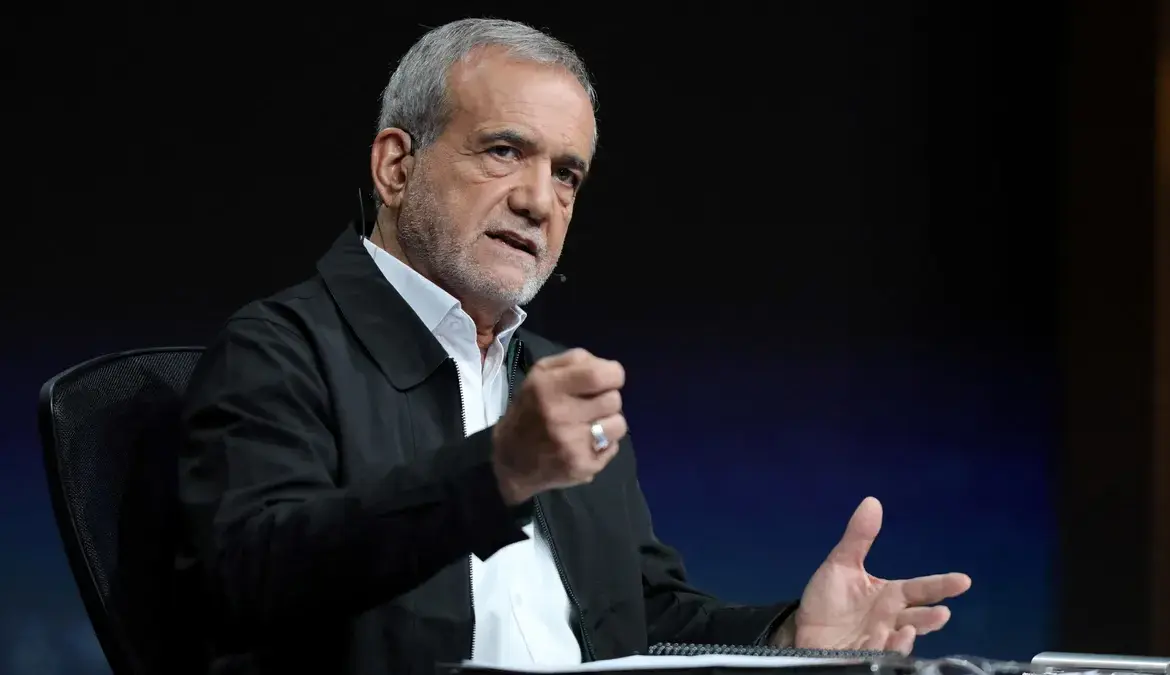
On March 8, 2026, Iranian President Masoud Pezeshkian publicly apologized to neighboring countries for recent military strikes, a move that comes amid escalating tensions in the region. Pezeshkian stated, “I apologise to the neighbouring countries. We have no intention of invading other countries,” indicating a potential shift in Iran’s military posture.
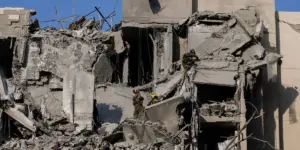
The apology follows a series of strikes attributed to Iran’s Revolutionary Guards on US air bases in the region. According to reports, these actions have resulted in significant casualties, with Iran’s UN ambassador citing that 1,332 Iranian civilians have been killed in US-Israeli air strikes. Additionally, the US Central Command confirmed over 3,000 strikes on targets inside Iran during Operation Epic Fury, underscoring the severity of the ongoing conflict.
Context of the Apology
Pezeshkian’s statement was partly a response to backlash from hardliners within the Iranian government, who criticized his approach. Hamid Rasai, a prominent figure, remarked, “Mr Pezeshkian, your stance was unprofessional, weak and unacceptable.” This internal dissent highlights the complexities of Iran’s political landscape, especially following the death of Supreme Leader Ayatollah Ali Khamenei, which has led to a transitional leadership council overseeing the country.
In a broader context, the Iranian Parliament speaker, Mohammad Bagher Ghalibaf, emphasized that the presence of US bases in the region continues to hinder peace efforts. This sentiment reflects a widespread belief among Iranian officials that foreign military presence exacerbates regional tensions and conflicts.
Military Strategy and Future Implications
Despite Pezeshkian’s apology, Iran’s judiciary chief criticized the move, suggesting that military aggression would persist unless provoked. This statement raises questions about the future of Iran’s military strategy, particularly as hardline factions appear to influence decision-making within the regime. Pezeshkian’s assertion that neighboring countries will no longer be targeted unless provoked indicates a potential shift, but the exact impact of this apology on Iran’s military strategy remains unclear.
Furthermore, the conflict has escalated into a wider regional confrontation, involving multiple countries and complex geopolitical dynamics. Pezeshkian’s dismissal of former US President Donald Trump’s demand for unconditional surrender as a “dream” reflects the ongoing tensions between Iran and the United States, which continue to shape the security landscape in the Middle East.
Reactions and Official Statements
As the situation evolves, reactions from both domestic and international actors will be crucial in determining the trajectory of Iran’s foreign relations. The Iranian leadership’s approach to diplomacy remains uncertain amid ongoing conflict, and the potential for future negotiations or escalations hangs in the balance. Details remain unconfirmed regarding how Pezeshkian’s apology will influence Iran’s interactions with its neighbors and the broader international community.
In summary, President Masoud Pezeshkian’s recent apology to neighboring countries marks a significant moment in Iran’s ongoing regional conflicts. As the Iranian leadership navigates internal dissent and external pressures, the implications of this apology will be closely monitored by observers both within and outside the region.