Iran War Oil: Pakistan Faces Fuel Crisis Amid Ongoing Conflict
Pakistan’s Emergency Measures
On March 10, 2026, Pakistan announced sweeping emergency austerity and fuel conservation measures in response to significant disruptions in oil and gas supply caused by the ongoing Iran war. The Strait of Hormuz, a critical waterway for global oil trade, has been affected by the conflict, exacerbating Pakistan’s energy crisis.
Pakistan relies heavily on imports for more than 80 percent of its oil needs, making the current situation particularly dire. Between July 2025 and February 2026, the country spent $10.71 billion on oil imports, highlighting its dependence on foreign oil supplies.
Historic Price Increases
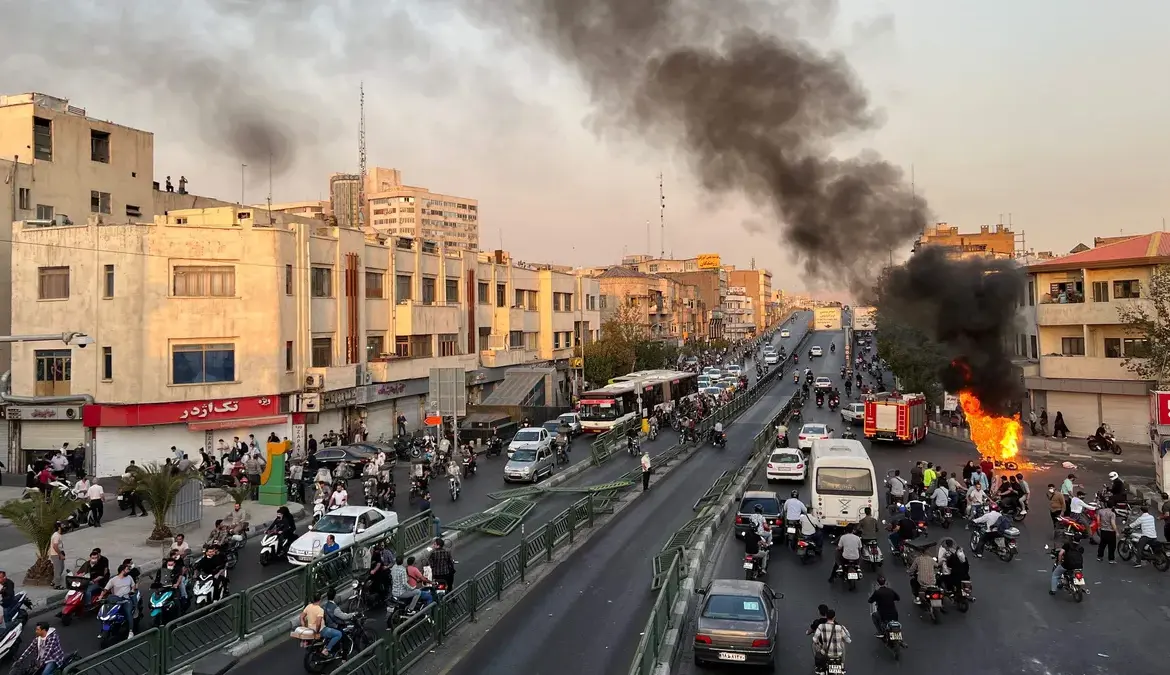
The recent energy crisis has triggered the largest fuel price increase in Pakistan’s history. Petrol prices have surged to $1.15 per litre, while diesel now costs $1.20 per litre, marking a 20 percent increase since the previous week. This spike in prices comes at a challenging time, as it coincides with the final days of Ramadan, straining household budgets across the nation.
Qatar, Pakistan’s primary supplier of liquefied natural gas (LNG), also faces challenges as its cargoes must navigate the increasingly volatile Strait of Hormuz.
US Military Actions and Regional Implications
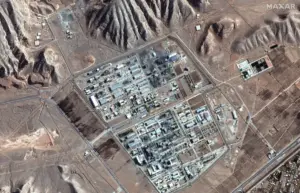
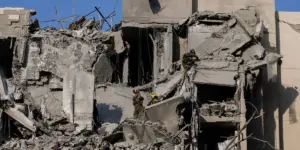
The situation is further complicated by the United States’ military actions in the region. The US is conducting intense strikes on Iran, aiming to dismantle its missile and defense capabilities. US Defense Secretary Pete Hegseth stated that today would be one of the most intense days of strikes inside Iran, with the number of missiles fired by Iran in the past 24 hours reported as the lowest since the war began.
Prime Minister Shehbaz Sharif remarked, “The entire region is currently in a state of war,” emphasizing the broader implications of the conflict on regional stability and economic conditions.
Amer Zafar Durrani, an energy expert, noted that “transport dominates petroleum consumption,” indicating that the fuel crisis will have widespread effects on transportation and logistics within Pakistan.
Furthermore, Durrani warned that the biggest risk is not solely from rising oil prices but also from currency depreciation, which could trigger more severe macroeconomic challenges for the country.
As the situation develops, the impact of the Iran war on oil supplies and prices continues to unfold, with significant consequences for Pakistan and the broader region. Details remain unconfirmed regarding the long-term effects of these military actions on oil supply chains.