Iran War Netanyahu: Escalation in Conflict
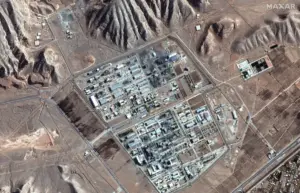
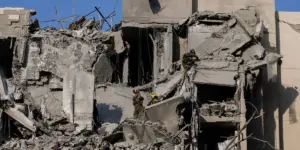
Benjamin Netanyahu has consistently claimed that the window to prevent Iran from obtaining a nuclear weapon was closing for decades. His long-standing desire for military action against Iran has now materialized, as the U.S. and Israeli bombing campaign against Iran commenced on February 28, 2026.
Netanyahu has stated, “War with Iran is something I have longed to do for 40 years.” This sentiment reflects a broader consensus among the Israeli public, with an overwhelming majority of Jewish Israelis supporting the war effort against Iran. The Israeli government is reallocating funds to support this military initiative, including a $9 billion increase to the defense budget, bringing the total to 112 billion NIS.
Recent Developments
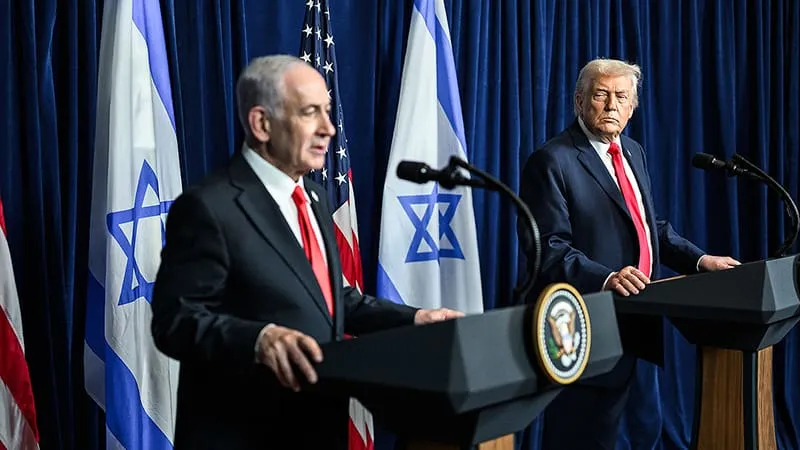
In the lead-up to the conflict, Netanyahu made a record six visits to the White House in the past year, indicating the high stakes involved in U.S.-Israel relations. As the situation escalates, Netanyahu has faced challenges at home, including a corruption trial that could lead to years in prison if convicted.
In the context of the ongoing conflict, Netanyahu remarked, “There was no question — we had to go to war.” This decisive stance comes after the Hamas-led attacks on October 7, 2023, which resulted in 1,200 fatalities and heightened tensions in the region.
Political Implications
The approaching Israeli elections in the fall of 2026, following the Hamas attacks, add another layer of complexity to the situation. Additionally, the U.S. midterm elections are on the horizon, which could impact Donald Trump’s political standing and the broader U.S. response to the conflict.
Bezalel Smotrich, a key figure in the Israeli government, described the increased military spending as, “This is not an expenditure. It’s an investment.” This perspective underscores the government’s commitment to the war effort.
Details remain unconfirmed regarding the exact impact of the Iran war on U.S.-Israel relations. Observers are closely monitoring the long-term consequences of the conflict on public opinion in both the U.S. and Israel, as the situation continues to evolve.
As the conflict unfolds, the international community watches closely, with many questions remaining about the future dynamics in the region.