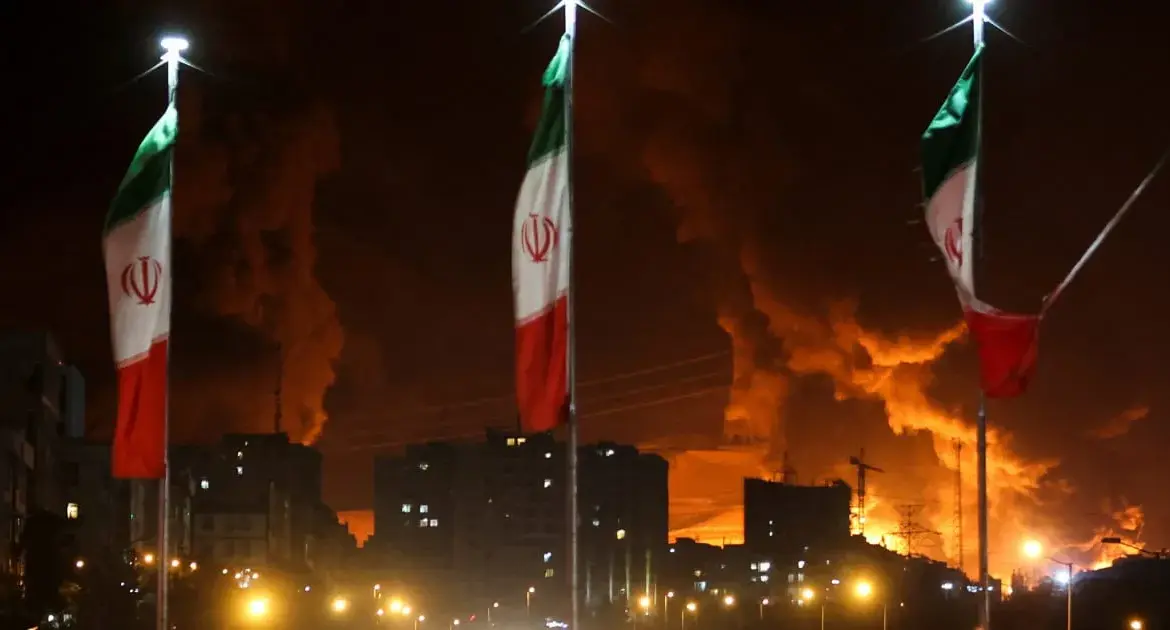
Iran Time: Tensions Escalate in the Strait of Hormuz
The recent escalation in the Strait of Hormuz has profound implications for global energy supplies and civilian safety. Following the U.S. and Israeli attack on Iran on February 28, 2026, which resulted in the death of Supreme Leader Ayatollah Ali Khamenei, Iran has retaliated by targeting U.S. military facilities and civilian infrastructure in Gulf states. This conflict has already claimed the lives of over 1,500 civilians, according to Iran’s ambassador to the United Nations.
The closure of the Strait of Hormuz, a critical chokepoint for oil shipments, has triggered a global energy shock. In response, the International Energy Agency has released 400 million barrels from its strategic reserve to stabilize the market. This situation has left ten foreign tankers and eighteen Indian vessels stranded, highlighting the immediate impact on international shipping and trade.
As a result of these tensions, India is set to receive its first direct shipment of Iranian crude oil since May 2019 by April 4, 2026. This marks a significant shift, as India’s imports of Iranian crude had dropped to zero after the U.S. reimposed sanctions following its withdrawal from the Joint Comprehensive Plan of Action (JCPOA) in 2018. Before sanctions, India imported around 23-24 million tonnes of Iranian crude annually.
Former President Donald Trump has publicly stated that securing the Strait is not the responsibility of the U.S., urging allies to “go get your own oil.” This sentiment underscores the shifting dynamics in international relations and energy security.
The attack has escalated into a regional war with widespread ramifications for critical supply chains and humanitarian aid. Iran’s Foreign Minister Abbas Araghchi has labeled the attack an “act of war,” further intensifying the conflict.
Trump has extended the deadline for Iran to reopen the Strait of Hormuz to April 6, 2026, adding another layer of uncertainty to the situation. The exact impact of the closure on global energy supplies remains unclear, as does the long-term implications of India’s renewed oil imports from Iran.
Details remain unconfirmed as the situation continues to evolve, and communities around the world watch closely for further developments in this critical region.