Iran israel us war live
Breaking Development in the Iran-Israel-US War
The Iran-Israel-US war has entered a critical phase as Iran’s President Masoud Pezeshkian outlined three conditions for a ceasefire on March 11, 2026. These conditions include the recognition of Iran’s rights, compensation for war damages, and guarantees against future attacks. This announcement comes 12 days after the conflict erupted, triggered by the assassination of Iran’s Supreme Leader and several high-ranking officials.
Immediate Circumstances
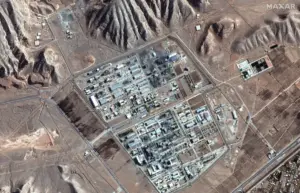
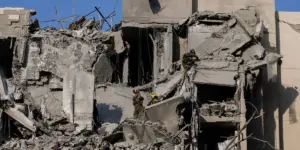
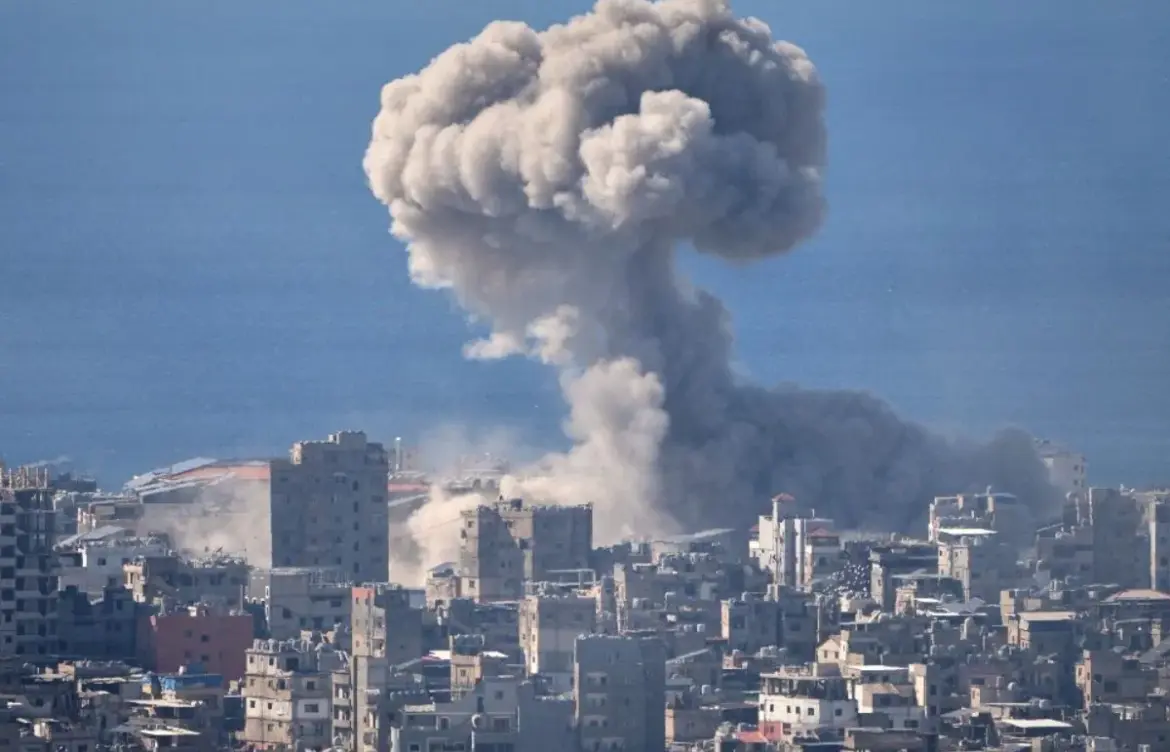
The war, which began on February 28, has led to significant civilian casualties and widespread destruction of infrastructure in Iran. The ongoing conflict has exacerbated the country’s already struggling economy, further strained by international sanctions. President Pezeshkian emphasized that military pressure alone will not resolve the situation, indicating a desire for diplomatic engagement while firmly stating Iran’s position.
Wider Context of the Conflict
The escalation of hostilities has raised concerns about regional stability, with Iranian military officials warning that any attacks on its ports could provoke a broader regional response. This warning highlights the potential for the conflict to extend beyond Iran’s borders, affecting neighboring countries and international shipping routes. Israeli officials, however, remain skeptical that the war will lead to the collapse of Iran’s political system, despite the ongoing military pressure.
Economic Impact and Global Reactions
As the conflict continues, the price of Brent crude oil has surged to $100 per barrel, reflecting the war’s impact on global energy markets. The international community is closely monitoring the situation, with various countries expressing concern over the humanitarian crisis unfolding in Iran. The destruction caused by the conflict has prompted calls for urgent humanitarian assistance, as many civilians are caught in the crossfire.
Official Statements and Responses
In his statements, President Pezeshkian remarked, “The only way to end this war — ignited by the Zionist regime and U.S. — is recognising Iran’s legitimate rights, payment of reparations, and firm international guarantees against future aggression.” This reflects Iran’s firm stance on the conditions necessary for peace. Additionally, Iranian military spokesperson Abolfazl Shekarchi warned, “If our ports and docks are threatened, all ports and docks in the region will be our legitimate targets,” indicating a readiness to escalate military responses if provoked.
Future Prospects
As the situation develops, Iranian officials continue to assert their openness to peace talks, provided that the damage inflicted by the conflict is addressed. Mohammad-Bagher Ghalibaf, another prominent Iranian leader, stated, “The aggressor must be punished and taught a lesson that will deter them from attacking Iran again,” underscoring the prevailing sentiment of resistance among Iranian leadership.
The Iran-Israel-US war remains a focal point of international concern, with significant implications for regional stability and global energy markets. As both sides prepare for potential escalation, the need for diplomatic solutions becomes increasingly urgent. Details remain unconfirmed regarding the full extent of the conflict’s impact, but the humanitarian situation in Iran continues to deteriorate.