Iran Hormuz Strait: Recent Developments and Ongoing Tensions
Background on the Situation
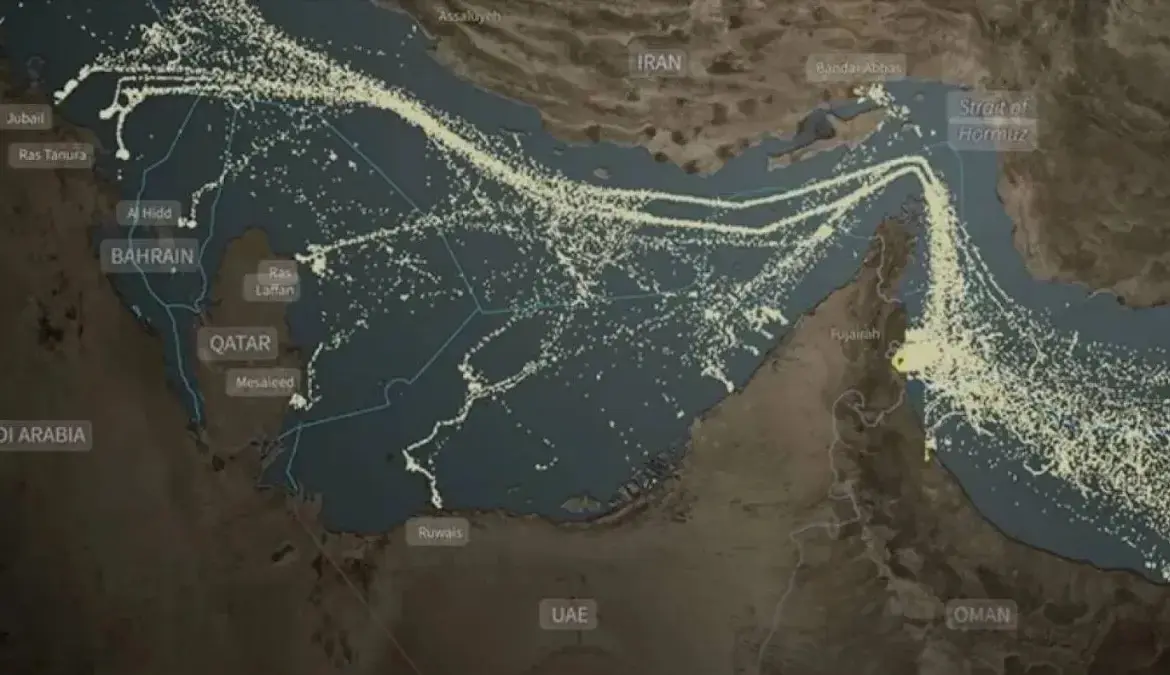
The Strait of Hormuz is one of the world’s most important energy corridors, facilitating a significant portion of global oil and LNG shipments. Prior to recent developments, the expectation was that shipping through this vital passage would continue without major disruptions.
Recent Changes
However, tensions have escalated, leading to a decisive moment on March 6, 2026, when Iran’s government announced that vessels belonging to the United States, Israel, European countries, or their allies would not be allowed to pass through the Strait. This announcement came amidst reports of approximately 300 oil tankers stranded in the area due to the ongoing conflict.
Immediate Effects
As a direct consequence of these tensions, crude prices have surged more than 15 percent since the fighting began, reflecting the market’s reaction to the instability in the region. On March 1, only four crude tankers were able to transit through the Strait, a stark contrast to the average of 24 vessels per day recorded since the beginning of January.
Expert Perspectives
Iran has denied reports of closing the Strait, with Saeed Khatibzadeh, Iran’s Deputy Foreign Minister, stating, “We have not yet closed the Strait of Hormuz. If we are going to close it, we are going to announce it… It has not been closed by us. We have no intention to do it until further notice.” This statement aims to reassure global markets while acknowledging the heightened tensions.
International Reactions
In the broader context, China is actively negotiating with Iran to ensure safe passage for oil and LNG shipments through the Strait, highlighting the geopolitical stakes involved. Seyed Abbas Araghchi, an Iranian official, criticized the United States, claiming, “The US has perpetrated an atrocity at sea… Frigate Dena, a guest of India’s Navy carrying almost 130 sailors, was struck in international waters without warning.” This underscores the complex interplay of military and economic interests in the region.
Uncertainties Ahead
Despite these developments, details remain unconfirmed regarding the exact timeline for the reopening of the Strait of Hormuz and the potential outcomes of negotiations between China and Iran. The situation remains fluid, with significant implications for maritime activity and global oil markets.