Iran Attacks Israel: Escalation in Middle East Tensions
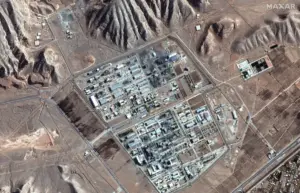
The ongoing conflict in the Middle East has reached a critical juncture, with Iran’s recent missile attacks on oil and gas facilities across Qatar, Saudi Arabia, and the United Arab Emirates marking a significant escalation. This wave of violence follows Israel’s strike on Iran’s South Pars gasfield, the world’s largest gasfield, which has drawn sharp retaliatory measures from Tehran.
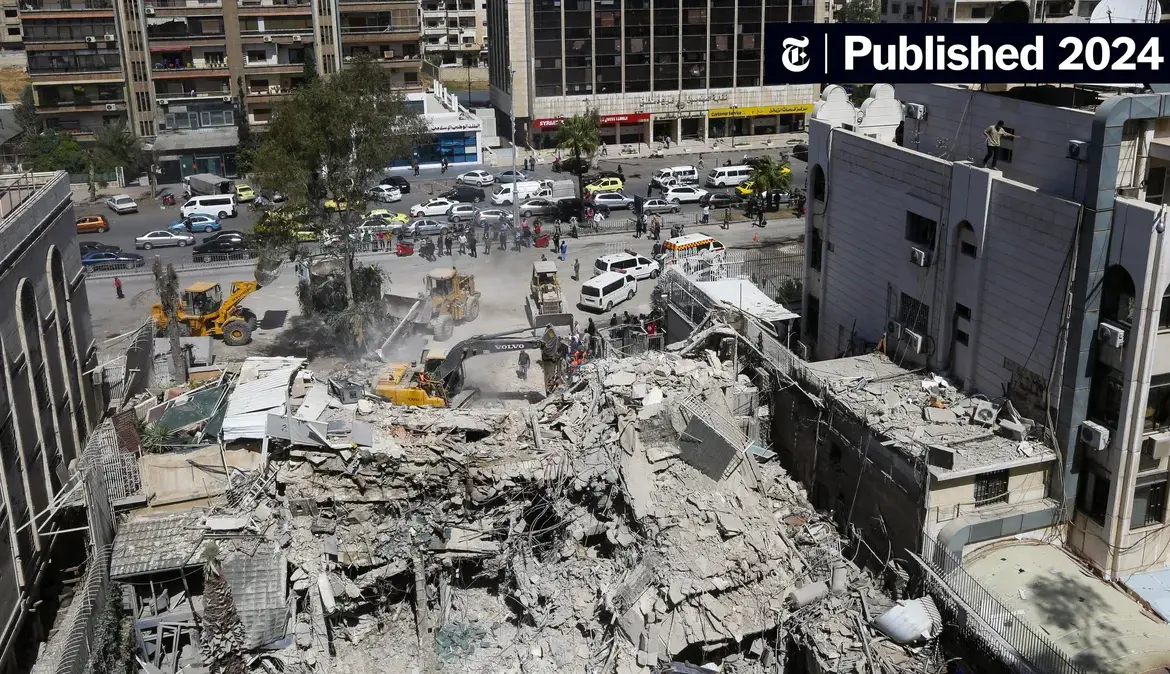
Iran’s Supreme Leader Mojtaba Khamenei has vowed that Israel will pay for the assassination of three senior Iranian security officials, underscoring the deep-seated animosity that fuels this conflict. In a show of force, Iran’s missiles heavily damaged Qatar’s Ras Laffan liquefied natural gas facility, prompting Saudi Arabia to declare that the ‘little trust that remained in Iran has been completely shattered.’
In response to the escalating hostilities, Kuwaiti security services successfully thwarted a planned terrorist operation against the country’s critical infrastructure, highlighting the pervasive threat posed by the ongoing conflict. Meanwhile, the US has announced a substantial arms sale, approving $16 billion in military support to the United Arab Emirates and Kuwait, signaling its commitment to bolstering regional allies.
Israeli Prime Minister Benjamin Netanyahu has publicly stated that Israel is winning and that Iran is being decimated, as Israeli military operations expand to include attacks on targets in northern Iran for the first time since the conflict began. Reports indicate that an oil refinery in Haifa was also hit by missiles launched from Iran, further escalating the situation.
As the conflict continues, the Islamic Revolutionary Guard Corps (IRGC) has issued an alert, promising to respond to the attack on South Pars by targeting oil and gas facilities in neighboring Gulf states. This cycle of retaliation raises concerns about the potential for broader regional instability.
In a reflection of the heightened tensions, Bahrain’s air defenses have intercepted 132 missiles and 234 drones, showcasing the scale of the military engagements taking place. Additionally, the humanitarian impact is severe, with approximately 1,000,000 Lebanese people displaced due to Israel’s military assault.
Amid these developments, Iran has sought clarification from Germany regarding the role of the Ramstein airbase in the ongoing conflict, indicating the complexities of international involvement in this crisis. As the situation evolves, the patience of regional leaders is wearing thin, with Saudi Foreign Minister Prince Faisal bin Farhan Al Saud stating, “The patience that is being exhibited is not unlimited.”
Details remain unconfirmed, but the implications of these actions are profound, as the Middle East stands on the brink of further escalation. The international community watches closely, hoping for a resolution to this escalating conflict that threatens to engulf the region.