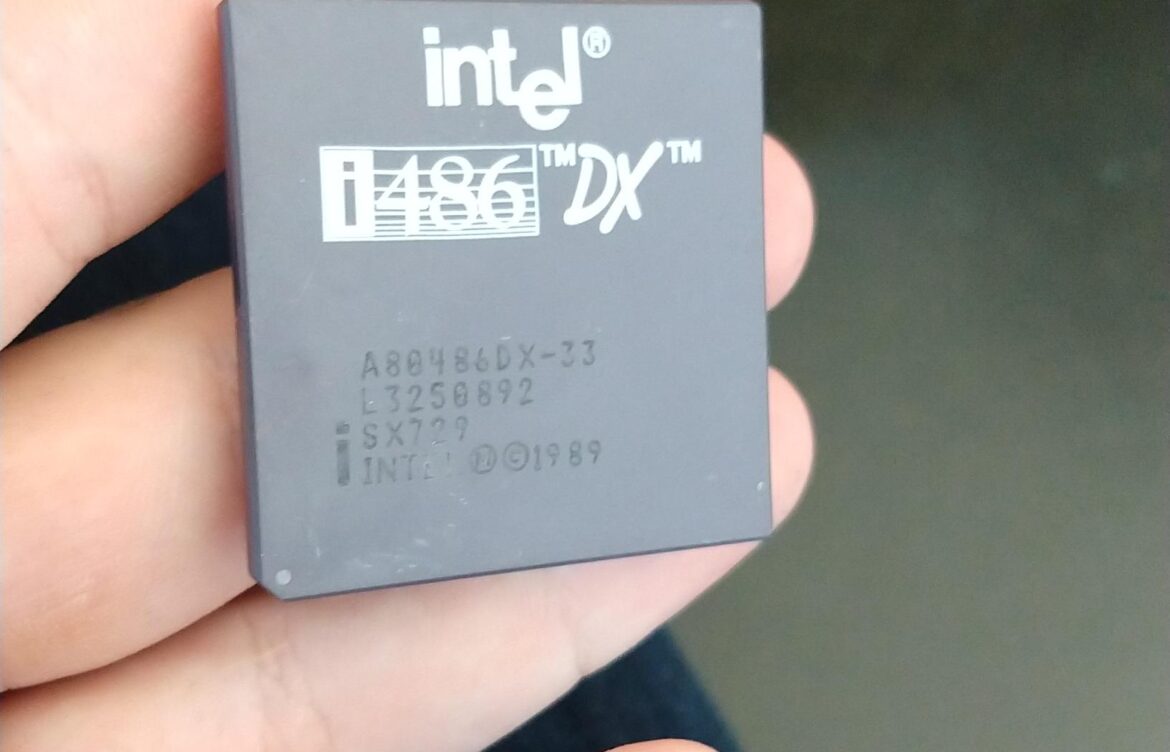
Intel’s Impact on Technology and Future Innovations
Introduction
Intel Corporation, a hallmark of the semiconductor industry, plays a pivotal role in the technological advancements of our time. As a leader in microprocessing technology, Intel not only fuels computing devices but also drives innovations in artificial intelligence, cloud computing, and Internet of Things (IoT). Their strides towards adopting next-generation chipsets underscore the company’s importance in shaping the tech landscape.
Recent Developments
In October 2023, Intel announced the launch of its new line of processors, the 14th generation ‘Meteor Lake’ series, which aims to offer significant improvements in performance and efficiency. This series is notable for its innovative chiplet architecture and advanced packaging technology, which combine separate processing units onto a single chip for enhanced functionality and power management.
This launch comes at a crucial time as competition intensifies among tech giants like AMD and NVIDIA, which have been aggressive in releasing cutting-edge products. Reports indicate that Meteor Lake chips are intended to optimize gaming experiences and cater to high-performance computing needs, making Intel a competitive force once again in the desktop and laptop markets.
Intel’s Commitment to Sustainability
In addition to performance enhancements, Intel is focusing on sustainability. As part of its environmental responsibilities, the company has committed to achieving net-zero greenhouse gas emissions across its global operations by 2040. This initiative includes improving energy efficiency in its manufacturing processes and increasing the use of renewable energy sources.
Future Outlook
Looking ahead, Intel aims to continue its legacy of technological advancement while addressing contemporary challenges, including supply chain disruptions and global semiconductor shortages. The company’s ongoing investments in research and development, valued at over $35 billion in 2023, are expected to foster innovation in AI, edge computing, and 5G technology.
With plans to expand fabrication facilities in the United States and abroad, Intel’s strategic moves suggest a robust commitment to not only regain market leadership but also to bolster domestic semiconductor production as part of national security initiatives.
Conclusion
The significance of Intel in the tech industry cannot be overstated. As they continue to innovate and adapt to market demands, they are poised to not only shape the future of computing technology but also contribute to a more sustainable and secure technological ecosystem. With advancements on the horizon, stakeholders and tech enthusiasts alike will be watching closely to see how Intel navigates the competitive landscape and fulfills its ambitious goals.