India Weather Western Disturbances Bring Relief to North India
A series of back-to-back Western Disturbances is expected to provide much-needed relief from the ongoing heatwave in north India. As temperatures soared above 44°C in Uttar Pradesh and reached a scorching 46°C in Rajasthan, residents have been struggling to cope with the oppressive heat.
According to the India Meteorological Department (IMD), these disturbances will begin impacting the region as early as April 27. Isolated dust storms and light rainfall could mark the start of a welcome change. The IMD has stated, “The approaching disturbances are being seen as the ‘only ray of hope’ in easing the ongoing heatwave.”
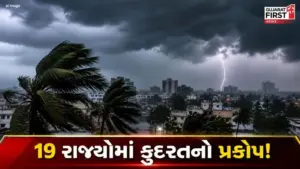
From April 28 through April 30, widespread dust storms and thunderstorms are likely across several northern states, including Delhi, Punjab, Haryana, and Rajasthan. Wind speeds could reach 30–40 kmph on April 28, increasing to 40–50 kmph by April 29. This uptick in wind speed may amplify the dust storms expected to precede or accompany rainfall activity.
Officials predict that temperatures could dip below the critical 42°C mark starting April 29. This temperature drop—estimated at around 3–5 degrees Celsius—will be a significant shift for many who have faced relentless heat. However, heatwave conditions will still linger in isolated pockets until April 27.
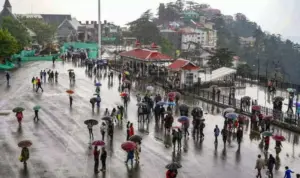
As residents prepare for possible thunderstorms, some express cautious optimism. A local shopkeeper in Delhi shared, “After weeks of sweating it out, even a little rain would be a blessing!” Yet, others remain wary of potential disruptions. The IMD has warned that localized disruptions could occur due to strong winds and thunderstorms.
The current sequence of disturbances is relatively rare during this period of intense heat. Observers note that such weather patterns can bring both relief and challenges. Rainfall activity will increase across the region while parts of eastern Uttar Pradesh may experience dry weather initially.
Thunderstorm activity is expected to continue until at least May 2. Residents are urged to stay alert as conditions evolve over the coming days. The IMD has emphasized that they are closely monitoring this development—an unusual occurrence during such extreme heat.
As millions await this shift in weather patterns, they cling to hope that these Western Disturbances will finally bring some respite from their sweltering reality.