India’s T20 World Cup Journey and Oil Import Dynamics
Cricket Triumph Amidst Oil Import Challenges
India’s cricket team has reached a pivotal moment in the 2026 T20 World Cup, having secured a thrilling victory against England by just 7 runs in the semifinal. This match showcased the talent of Sanju Samson, who scored an impressive 89 runs off 42 balls, leading India to a total of 253-6. England, despite a strong effort, finished at 246-7, marking a significant achievement for the defending champions as they prepare to face New Zealand in the final.
Before this semifinal victory, expectations were high for India, given their status as the defending champions. The team had consistently performed well throughout the tournament, and fans were eager to see if they could clinch a record third T20 World Cup title.
However, alongside this sporting success, India is grappling with complex dynamics in its oil imports. Recently, the U.S. granted India a temporary waiver allowing the import of Russian oil for 30 days. This decision comes amid rising global tensions and fluctuating oil prices, which have significant implications for India’s economy.
In January 2026, India imported $1.98 billion worth of crude oil from Russia, but Russia’s share in Indian oil imports has decreased to 19.3%. In contrast, the U.S. has increased its share of India’s oil imports from 5.7% to 8%, with total imports amounting to $11.6 billion from April 2025 to January 2026.
Experts warn that the current situation could lead to increased inflation in India. Every $10 rise in oil prices could push inflation up by approximately 0.2-0.25 percentage points if these costs are passed on to consumers. This economic pressure is compounded by the fact that more than 55% of India’s oil imports pass through the Strait of Hormuz, making the country vulnerable to price fluctuations and supply delays.
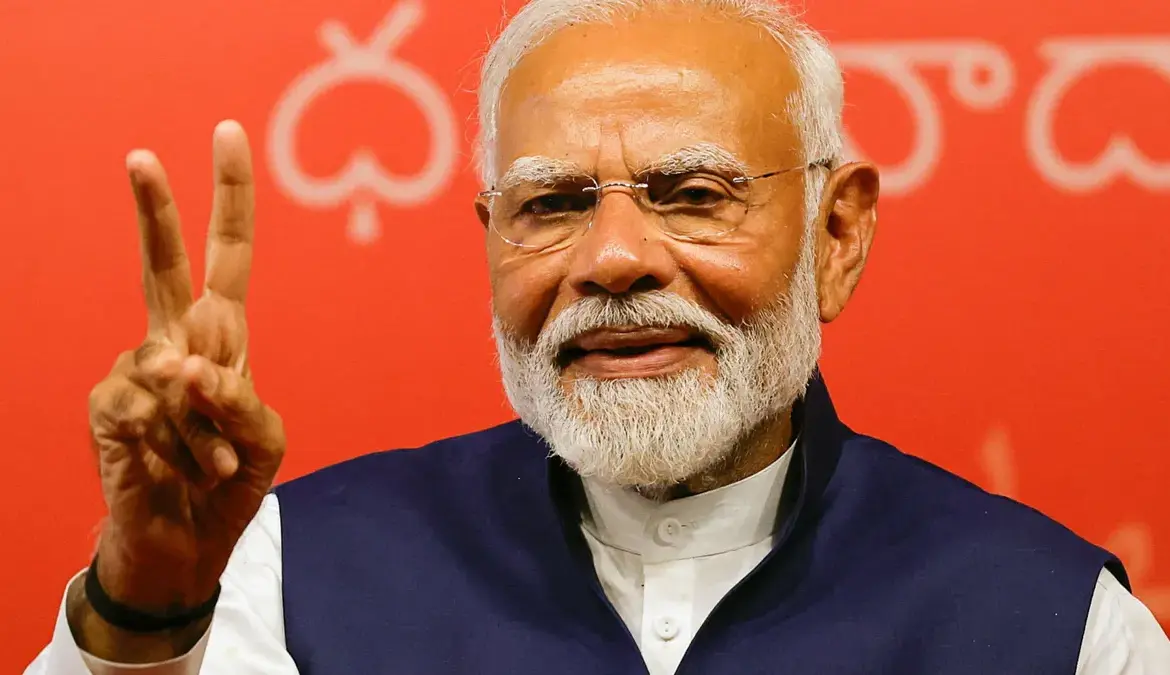
The Indian National Congress has criticized the Modi administration, stating, “The Government of India under Narendra Modi has led the country to a situation where the United States is now deciding where India can buy oil from and where it cannot.” This sentiment reflects growing concerns about India’s energy independence and geopolitical maneuvering.
As India celebrates its cricketing success, it must also navigate these pressing economic challenges. The upcoming final against New Zealand will not only be a test of skill on the field but also a moment for the nation to reflect on its broader strategic positioning in the global arena.
Details remain unconfirmed regarding the long-term implications of these oil import dynamics, but the current landscape presents a complex interplay between sports triumphs and economic realities.