India Citizenship Rules 2026 Changes
The government of India has introduced new amendments to its citizenship rules, particularly affecting Overseas Citizen of India (OCI) cardholders. These changes, effective from 2026, aim to streamline the application process for citizenship applications while also raising concerns about the Special Intensive Revision of electoral rolls.
Previously, OCI applicants faced a cumbersome process, often requiring them to submit documents in duplicate. Now, all applications will be submitted electronically through an official portal. This shift marks a significant change as it simplifies the application process for many.
Under the new rules, a minor child cannot hold the passport of another country while also possessing an Indian passport. Additionally, registered individuals may now receive either a physical OCI card or an electronic OCI registration under the e-OCI system. This flexibility is expected to benefit many families with ties to India.
However, alongside these changes comes the Special Intensive Revision (SIR) of electoral rolls. This revision has led to a net removal of 5.2 crore persons from the electoral rolls across twelve states. The last major revision occurred in 2003, making this update particularly significant.
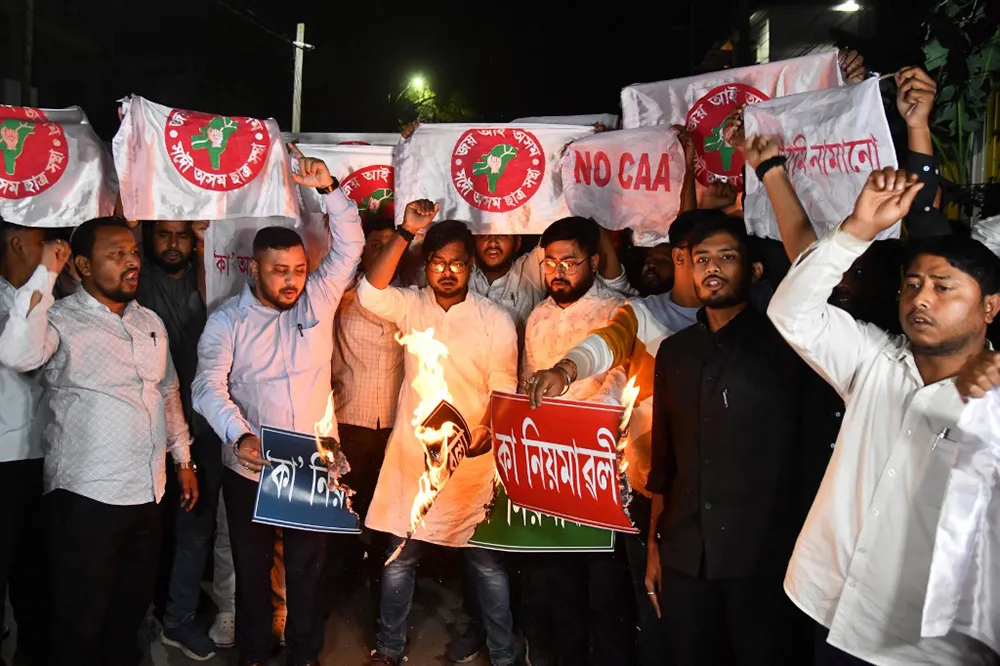
In Assam alone, there are currently 119,570 D-voters, with women comprising 70,723 of that number as of October 2019. Many individuals marked as D-voters were classified due to the 1997 revision process, which has left them vulnerable and uncertain about their citizenship status.
The implications of these changes are profound. Many families worry about their representation in upcoming elections and their ability to navigate the Foreigners Tribunal if disputes arise regarding their citizenship status. The Election Commission of India (ECI) is tasked with managing these complexities as they unfold.
Experts emphasize that while streamlining processes can reduce bureaucratic delays, it is essential to ensure that no one is unfairly disenfranchised. As this situation evolves, communities across India remain vigilant about how these amendments will impact their lives and rights.