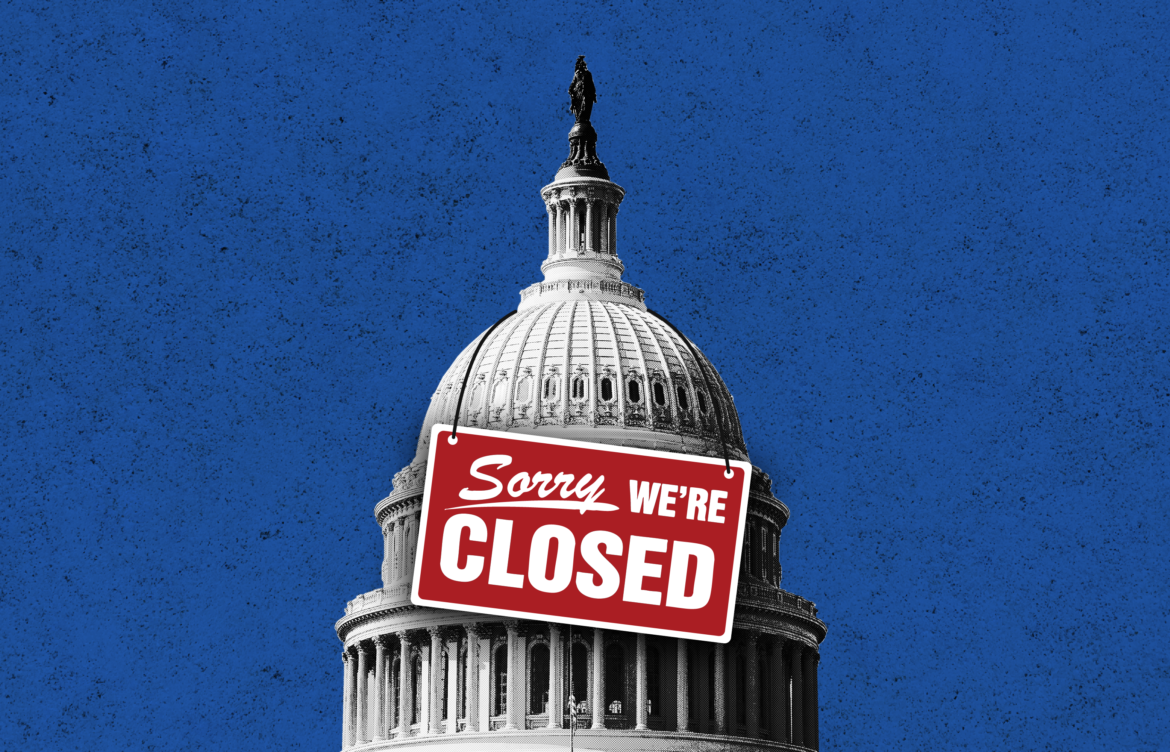
Implications of the Potential Federal Government Shutdown 2026
Introduction
The possibility of a federal government shutdown in 2026 has become a pressing issue for many across the United States. With dire implications for government services and economic stability, understanding the nuances behind this situation is crucial for citizens and policymakers alike. The discussions surrounding budget proposals and negotiations in Congress are pivotal as they could determine the trajectory of government operations and essential services.
Background of Federal Government Shutdowns
Federal government shutdowns occur when Congress fails to pass necessary appropriations or budget resolutions by the designated deadlines. This leads to a cessation of non-essential government functions. Historically, shutdowns can have substantial effects on public services and economic activities, often resulting in furloughs for federal workers and disruptions to agency operations. The last major shutdown was in late 2018 into early 2019, which lasted 35 days and affected numerous aspects of government functioning, including the National Park Services and federal offices.
Current Situation Leading to 2026 Projections
As of late 2023, the U.S. federal budget is facing increasing pressure from rising costs, both for domestic programs and national defense. Bipartisan disagreements over spending limits, debts, and priorities have indicated potential hurdles that may lead to another shutdown in 2026. The Congressional Budget Office (CBO) projects that the national debt will continue to rise, exacerbating the urgency for responsible fiscal management.
Furthermore, social programs, infrastructure funding, and health services have been contentious topics that lawmakers will debate in upcoming budget discussions. As Congress works to push through various legislative agendas, the chances of a stalemate that could result in a government shutdown remain high.
Consequences of a Shutdown
The repercussions of a government shutdown can be felt far beyond the immediate cessation of services. Federal employees face unpredictable job security, with many furloughed workers struggling to make ends meet. Over 800,000 federal employees were impacted during the previous shutdown. Additionally, economic implications are significant; shutdowns can lead to reductions in consumer confidence and overall spending, which can hurt local economies and businesses relying on government contracts.
Conclusion
As discussions heat up regarding the federal budget and spending priorities headed toward 2026, it is essential for citizens to remain informed. The potential for another federal government shutdown looms large, with significant implications for millions of Americans. Active engagement by the public can contribute to accountability and influence policymakers to seek equitable solutions that encompass the needs of all. Keeping a close eye on developments in Congress and advocating for constructive dialogue could help avert the disruptions that accompany a federal shutdown.