Happy Vishu 2026: A Celebration of New Beginnings in Kerala
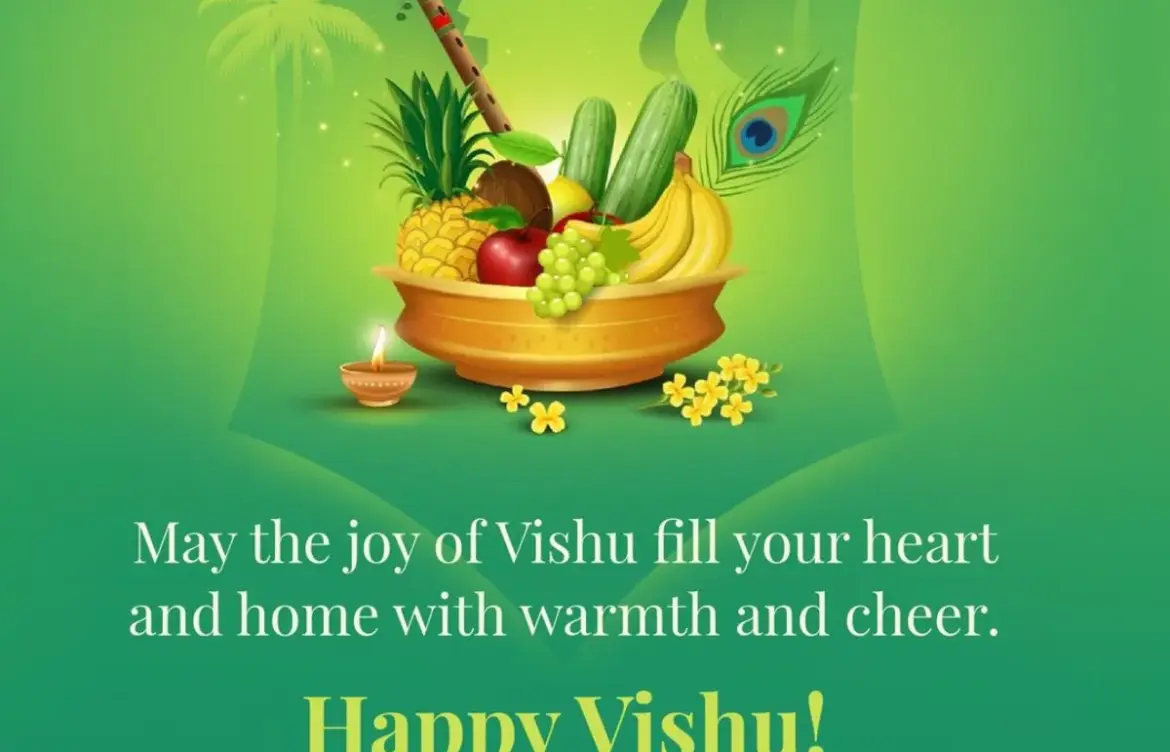
As the sun rises on April 14, 2026, the people of Kerala, India, prepare to celebrate Vishu, a festival that marks the beginning of the Malayalam New Year. Traditionally, Vishu has been a time of renewal and hope, where families gather to partake in rituals that symbolize prosperity and new beginnings. In the past, the festival was often anticipated with a sense of nostalgia, as families would reminisce about the vibrant celebrations of their childhoods, filled with the aroma of traditional dishes and the sight of the Vishukkani — a carefully arranged display of auspicious items.
This year, however, there is a palpable excitement in the air as communities come together to embrace the festival with renewed vigor. The decisive moment came when local organizations announced a series of community events aimed at fostering unity and joy among residents. These events include cultural performances, traditional feasts known as Vishu Sadhya, and workshops on creating Vishukkani displays. The response has been overwhelming, with participation numbers exceeding expectations, indicating a strong desire for connection and celebration.
The direct effects of this revitalized celebration are evident across Kerala. Families are not only preparing their homes for the festival but are also engaging with their neighbors and local businesses. The Vishu Sadhya, a traditional feast served on banana leaves, has seen a surge in demand, with local restaurants and caterers reporting a significant increase in orders. The Kanikonna flowers, which hold special significance during Vishu, are flying off the shelves as people decorate their homes with these bright blooms, symbolizing prosperity and good fortune.
Experts in cultural studies emphasize the importance of such festivals in strengthening community bonds. “Vishu teaches us one of life’s most quietly profound lessons — that what we choose to look at first in the morning shapes the entire day that follows,” notes Dr. Anjali Menon, a cultural anthropologist. This perspective highlights how the festival not only marks the beginning of a new year but also serves as a reminder of the values of gratitude and togetherness.
As families exchange greetings of “Vishu Ashamsakal,” the warmth of community spirit is felt throughout the region. The festival’s essence is captured in the words of a local elder who remarked, “The real Vishu Kani is not the gold coins or the rice or the mirror — it is waking up to the faces of the people you love most and knowing that this, right here, is abundance.” This sentiment resonates deeply, as it reflects the heart of the festival — a celebration of love, family, and shared experiences.
In a world that often feels divided, the celebration of Vishu 2026 stands as a beacon of hope and unity. Different regions in India celebrate the New Year in unique ways, such as Puthandu in Tamil Nadu and Pohela Boishakh in West Bengal, but the essence of these celebrations remains the same — a collective wish for prosperity and happiness. As Kerala embraces its traditions, the festival serves as a reminder of the rich cultural tapestry that binds communities together.
As the day unfolds, the sounds of laughter and joy fill the air, and the vibrant colors of the celebrations paint a picture of hope for the year ahead. Happy Vishu! May your life be colorful, vibrant, and full of blessings, as the Kanikonna flowers bloom in abundance, symbolizing the promise of new beginnings.