Hang Seng Index Experiences Slight Decline Amid Mixed Market Activity
Market Overview
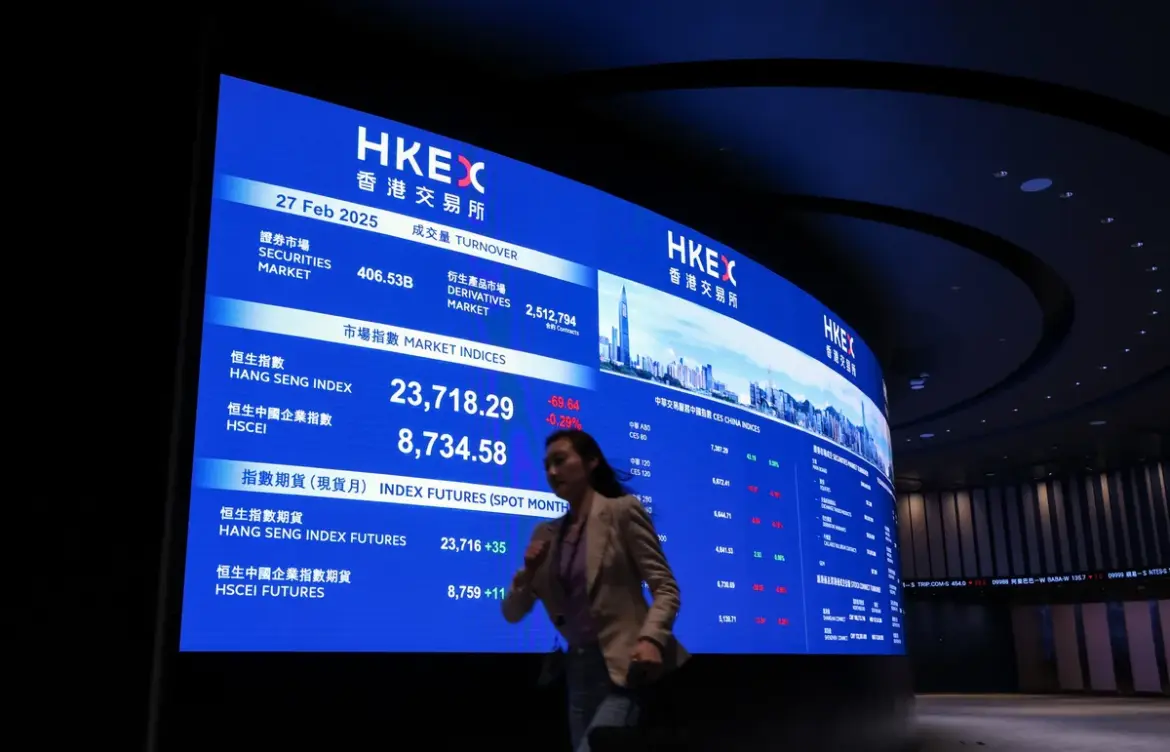
On March 11, 2026, the Hang Seng Index fell by 0.24% to close at 25,898.76 points. This decline occurred amidst a backdrop of mixed market activity, with notable performances from certain companies.
Sector Performances
Despite the overall drop in the Hang Seng Index, Nio’s stock surged by 14.05% to HK$43.5 after the company reported its first quarterly profit. Similarly, CATL’s stock rose by 9% to HK$599.5, contributing 10.51 points to the index.
In contrast, the Hang Seng China Enterprises Index experienced a slight decline of 0.07%, closing at 8,704.52 points. The CSOP Hang Seng TECH Index ETF (3033.HK) closed at HK$4.94, marking an increase of 2.45% from the previous close.
Trading Activity
The total daily turnover for the Hang Seng Index reached 254.481 billion Hong Kong dollars, reflecting a robust trading environment despite the index’s decline. The CSI 300 index, which tracks large companies in China, added 0.64% to close at 4,704.50.
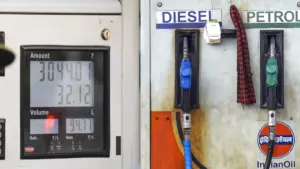
The Hang Seng Index has shown volatility influenced by geopolitical events and sector performance. Analysts have noted that the current market conditions are affected by various factors, including oil price fluctuations and the performance of leading enterprises in Hong Kong.
David Johnson commented, “The most immediate impact of an oil shock is that it acts like a tax on the economy.” This highlights the ongoing concerns regarding energy prices and their effect on market stability.
Looking ahead, analysts suggest that improvements in negative factors and strong catalysts, such as advancements in AI and better consumption data, are essential for sustained index performance. One analyst noted, “Before improvements in negative factors and strong catalysts such as AI breakthroughs by large-weighted leading enterprises in Hong Kong stocks and better consumption and real estate data at the end of March, relying solely on ‘cheap valuations’ may not drive sustained index performance.”
Additionally, the government has emphasized the importance of developing new types of energy storage, which may influence future market dynamics. The upward risk of oil prices remains a significant concern, with analysts indicating that the power chain is a preferred option for investment.