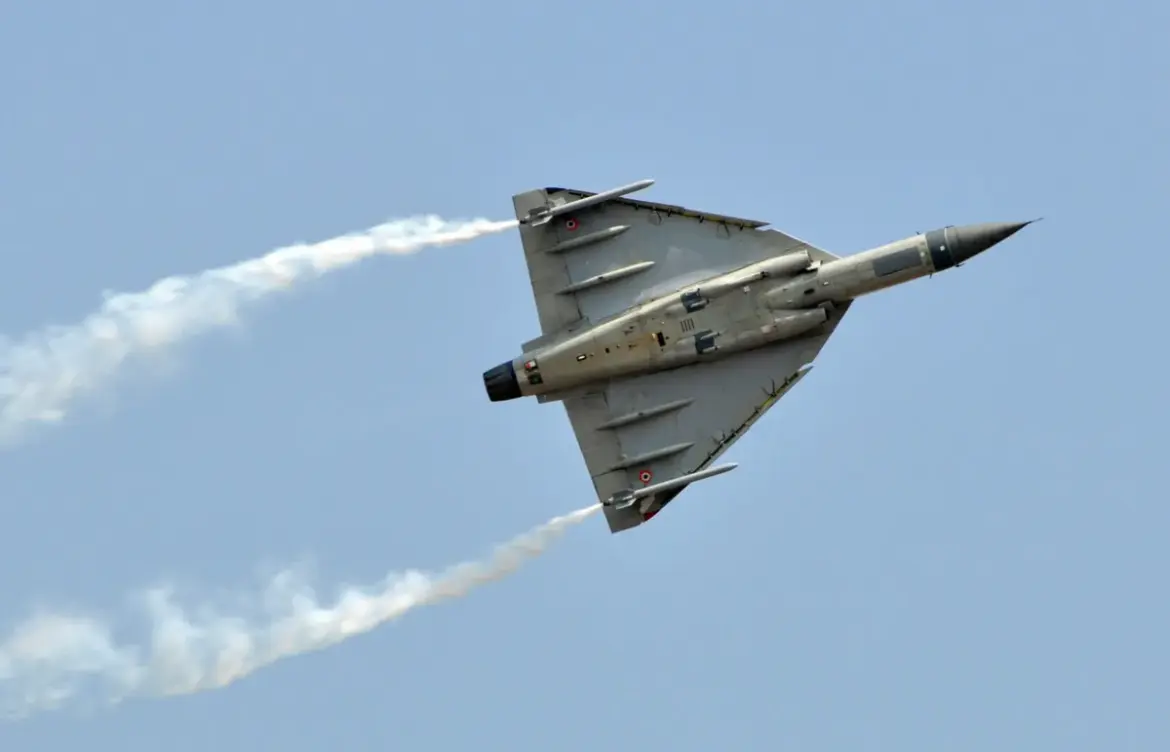
HAL Tejas Set to Resume Flights After Grounding Incident
In early February 2026, the HAL Tejas fleet faced an unexpected setback when it was grounded following a landing mishap. This incident raised concerns about the operational readiness of the Tejas Light Combat Aircraft, which is crucial for the Indian Air Force (IAF). As the months progressed, the situation became a focal point for both HAL and the IAF.
On April 8, 2026, HAL chairman DK Sunil announced that all Tejas jets are set to fly again, marking a significant milestone for the program. This announcement comes after a series of challenges, including delays in engine deliveries from GE Aerospace, which has been a critical component of the Tejas Mk-1A program.
As of now, GE Aerospace has supplied only six out of the 99 F404 engines contracted for the Tejas Mk-1A, with the first engine delivered in March 2025. HAL has expressed its frustration over these delays, imposing penalties on GE Aerospace in response. Despite these challenges, HAL expects to receive another engine delivery by the end of April 2026, which is vital for the ongoing production of the Tejas aircraft.
The Tejas Mk-1A program aims to deliver over 20 aircraft by December 2026, as India has ordered a total of 180 Tejas Mk1A variants to replace the aging MiG-21s. Currently, the IAF operates 32 to 34 HAL Tejas Mk1 fighter jets across two operational squadrons, showcasing the aircraft’s importance in India’s defense strategy.
Historically, the Tejas program has faced organizational and support challenges over the decades. The indigenous Kaveri engine was delinked from the Tejas airframe in 2008 due to its failure to deliver the required thrust, leading to reliance on foreign engines. This has been a point of contention among defense analysts, with some arguing that India has not invested enough in its indigenous capabilities.
Philip Rajkumar, an expert in aerospace engineering, emphasized the complexity of jet engines, stating, “The jet engine is one of the most complex pieces of machinery that you can ever think of.” He also defended the Tejas, asserting, “Utter rubbish. In performance, in sheer performance, LCA Tejas is better.” This sentiment reflects the pride many in India feel about the Tejas program, despite its challenges.
As the Tejas fleet prepares to take to the skies again, the implications for the IAF and India’s defense capabilities are significant. The successful resumption of operations will not only bolster national security but also serve as a testament to the resilience of India’s aerospace industry.
In summary, the HAL Tejas is on the brink of a new chapter as it gears up to resume flights. The upcoming weeks will be crucial in determining the future trajectory of this indigenous aircraft program, which has faced numerous hurdles but remains a symbol of India’s aspirations in aerospace technology.