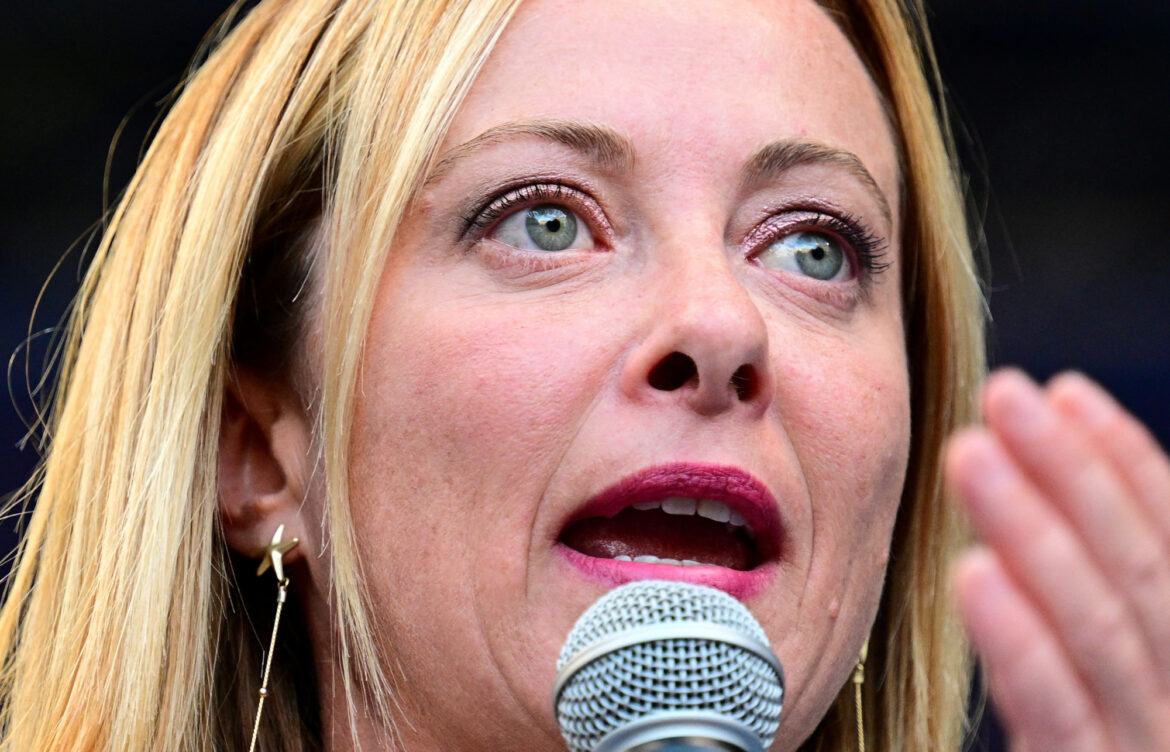
Giorgia Meloni: Italy’s Rising Political Force
Introduction
Giorgia Meloni, the leader of Italy’s Brothers of Italy party, has recently emerged as a significant figure in the Italian political scene. Her ascent to the premiership marks a pivotal moment in Italy’s political dynamics, representing a shift towards a more nationalist and right-leaning approach. Understanding Meloni’s policies, influence, and public reception is essential to grasp the evolving nature of European politics.
Recent Developments
In September 2022, Giorgia Meloni made history by becoming Italy’s first female Prime Minister after her party secured the largest share of votes. Her victory was seen as a part of a broader trend of right-wing populism in Europe, with other countries witnessing similar movements. Meloni’s government has since focused on tackling inflation, immigration, and economic growth—all crucial issues amidst a challenging post-pandemic recovery.
Under Meloni’s leadership, the Brothers of Italy has gained traction among voters by advocating for traditional family values, national sovereignty, and a robust stance against illegal immigration. Her firm approach towards European Union policies, particularly on economic governance and immigration, has drawn mixed reactions both domestically and at the EU level, bringing Italy’s voice into sharp focus within the bloc.
Political Challenges
Despite her electoral success, Giorgia Meloni faces significant challenges. Critics argue that her policies may not be inclusive enough to address the concerns of all Italians, especially as the country grapples with economic recovery post-COVID-19. Furthermore, her administration’s approach to immigration has spurred protests and debates about human rights, drawing attention from international organizations.
Conclusion
As Giorgia Meloni continues to navigate the complexities of leadership in Italy, her decisions and policies are likely to influence not just the future of her party, but also the broader landscape of European politics. As voters become increasingly polarized, the significance of her premiership will resonate beyond Italy, potentially shaping the rhetoric and policies of right-wing movements across Europe. It is essential for observers and citizens to stay informed on her initiatives and the effects they may have on Italy’s national identity and its position within the European Union.