G7 Countries Discuss Oil Reserves Amid Iran Conflict
Current Developments
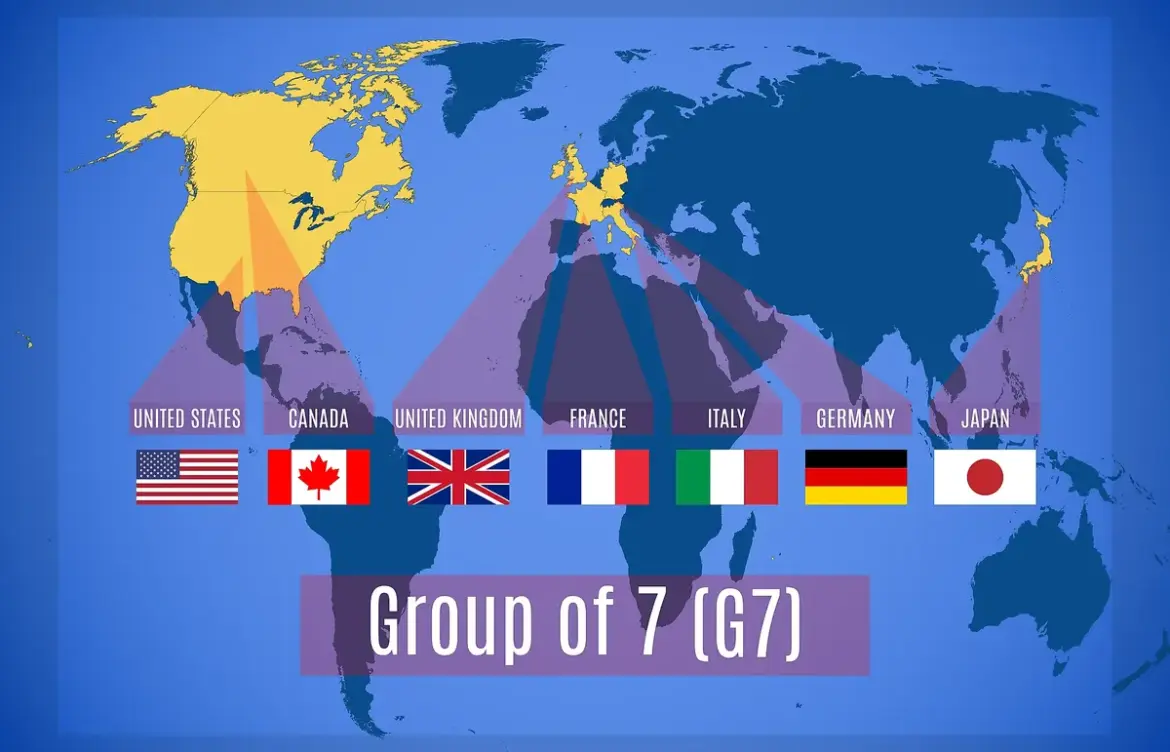
As of March 9, 2026, the G7 Finance Ministers are convening to discuss a potential joint release of oil from their emergency reserves. This meeting comes in response to a significant surge in oil prices, which have increased by more than 25% due to the ongoing conflict in Iran.
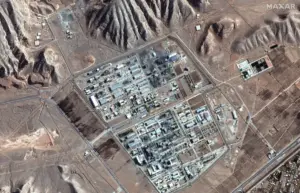
The Middle East conflict escalated on February 28, 2026, following U.S. and Israeli strikes on Iranian targets. This military action has had immediate repercussions on global oil markets, with Brent crude prices reaching $116.71 per barrel and WTI crude at $116.45 per barrel on the day of the G7 meeting.
Emergency Measures Considered
In light of these developments, three G7 countries, including the U.S., have expressed support for the coordinated release of between 300 million to 400 million barrels of oil from their strategic reserves. This move is aimed at stabilizing the market and mitigating the impact of rising oil prices on the global economy.
The International Energy Agency (IEA) has been actively involved in these discussions. IEA Executive Director Fatih Birol is scheduled to hold a call with G7 ministers to assess the implications of the Iran conflict on energy supplies and prices.
Strategic Reserves Overview
The IEA member countries collectively hold over 1.24 billion barrels of public emergency reserves, which could be tapped to address the current crisis. Notably, the U.S. and Japan together hold approximately 700 million barrels of these reserves, which could cover about 140 days of net imports.
This situation marks a critical moment for the G7 countries as they navigate the complexities of international energy security amidst geopolitical tensions. The last coordinated release of emergency oil stocks by the IEA occurred in 2022, following Russia’s invasion of Ukraine, highlighting the ongoing volatility in global energy markets.
As discussions continue, the outcome of the G7 meeting could have significant implications for oil prices and the broader economic landscape. The collective response to the Iran conflict will be closely monitored by market analysts and policymakers alike.