Exploring the World’s Tallest Buildings: Engineering Marvels
The Importance of Tall Buildings
The world’s tallest buildings are a testament to human ingenuity and architectural innovation. These structures are not only feats of engineering but also represent economic strength, cultural identity, and the spirit of competition among cities worldwide.
Current Record Holders
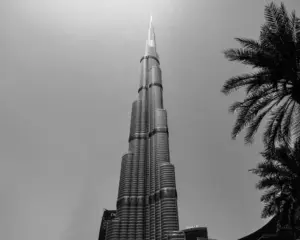
As of October 2023, the Burj Khalifa in Dubai, standing at 828 meters (2,717 feet), holds the title of the tallest building in the world. Completed in 2010, it is an iconic symbol of the city and set the bar for future skyscrapers. Following closely behind is the Shanghai Tower in China, reaching 632 meters (2,073 feet), completed in 2015. The Abraj Al Bait Clock Tower in Mecca, Saudi Arabia, ranks third at 601 meters (1,971 feet).
Emerging Contenders
Several ambitious projects around the world aim to challenge these towering giants. The Jeddah Tower in Saudi Arabia, under construction and projected to exceed 1,000 meters (3,281 feet), is expected to become the first building to reach a kilometer in height upon completion. In addition, the Dubai Creek Tower, also planned to exceed a kilometer, promises to reshape the skyline of Dubai once completed.
Factors Driving Tall Building Construction
Various factors drive the construction of taller buildings, including urban population growth, land scarcity, and a desire for impressive skylines. These skyscrapers often contain mixed-use spaces, combining residential, commercial, and hospitality functions, and are designed to accommodate the increasing density of urban environments. Furthermore, advancements in building materials and construction techniques have made the journey to new heights more feasible.
Conclusion: The Future of Skyscrapers
As cities continue to grow, the race to construct the world’s tallest buildings shows no signs of slowing down. These structures serve as landmarks and represent architectural advancement and human ambition. Ultimately, the construction of skyscrapers is linked to broader societal trends, including urbanization, economic development, and cultural expression. For both residents and visitors, these towering structures offer a glimpse into the future of urban living and the ever-evolving skyline of our world.