A Look at the World’s Tallest Buildings: Past, Present, and Future
Introduction
The world’s tallest buildings serve as remarkable symbols of human ingenuity and architectural progress. These towering structures not only dominate skylines but also represent advancements in engineering and design. As urban populations grow and technological innovations emerge, the pursuit of height continues to shape city landscapes globally.
Current Tallest Buildings
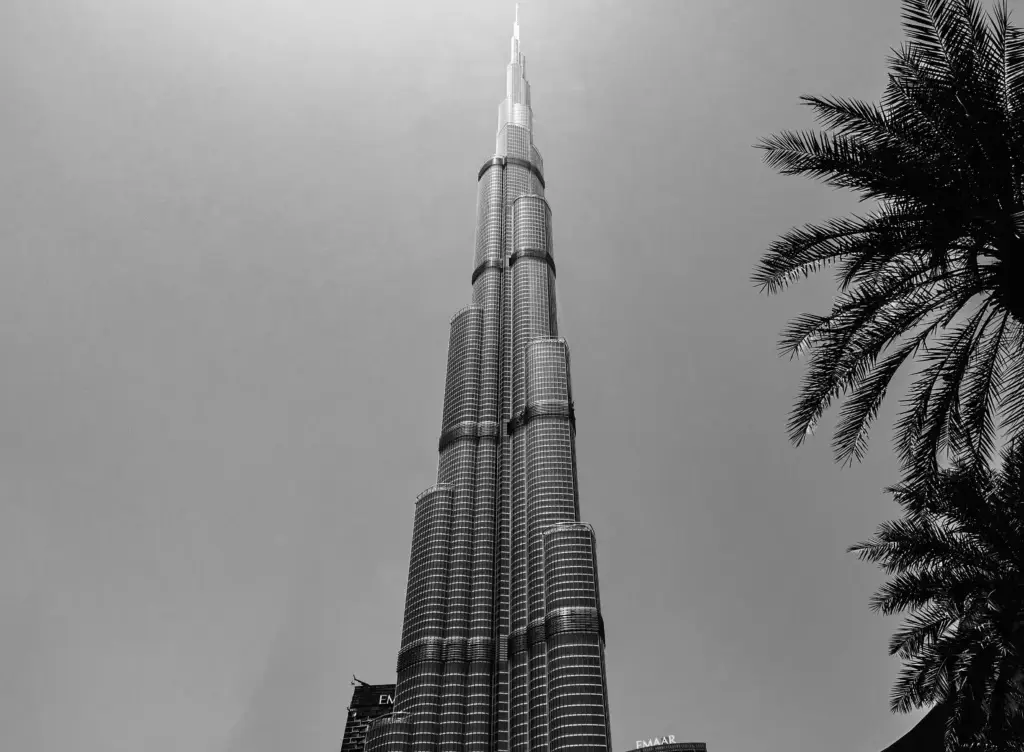
As of October 2023, the Burj Khalifa in Dubai, standing at an impressive 828 meters (2,717 feet), retains its title as the tallest building in the world since its completion in 2010. Following closely is the Shanghai Tower in China, measuring 632 meters (2,073 feet), and the Abraj Al Bait Clock Tower in Saudi Arabia at 601 meters (1,971 feet). These skyscrapers showcase cutting-edge design and environmentally sustainable features, with many cities investing heavily in skyscraper development to accommodate rapid urban growth.
Significant Developments
Recent projects like the Jeddah Tower in Saudi Arabia and the Dubai Creek Tower are anticipated to redefine height standards in the coming years. The Jeddah Tower, once completed, aims to reach approximately 1,000 meters (3,281 feet), challenging the Burj Khalifa for the title of the tallest building. On the other hand, the Dubai Creek Tower is designed to surpass the Burj Khalifa as well; both projects highlight the Middle East’s ambition in skyline domination.
Future Trends in Skyscraper Design
Architectural trends indicate a shift towards sustainability and smart building technologies in the construction of tall buildings. Innovations such as vertical gardens, wind turbines, and energy-efficient systems are becoming essential elements. Furthermore, advancements in construction materials, such as carbon-fiber composites and modular construction, are poised to revolutionize how skyscrapers are built, allowing for even taller and more complex structures to arise.
Conclusion
The fascination with the world’s tallest buildings reflects humanity’s ambition to push boundaries and redefine possibilities. As more cities around the globe continue to develop vertical architecture, the skyline of the future will likely be marked by even more daring designs and sustainable practices. For readers intrigued by urban development and architecture, keeping an eye on upcoming tower projects may reveal the next step in our architectural evolution.