Exploring the World’s Tallest Buildings: A Glimpse into Skyline Wonders
Introduction
As urbanization continues to rise globally, the race to construct the world’s tallest buildings captivates architects, developers, and city dwellers alike. These towering structures not only symbolize financial might and engineering prowess but also reflect the cultural and climatic contexts of their locations. Understanding the world’s tallest buildings is essential as they represent the architectural evolution and aspirations of modern civilization.
Current Tallest Buildings
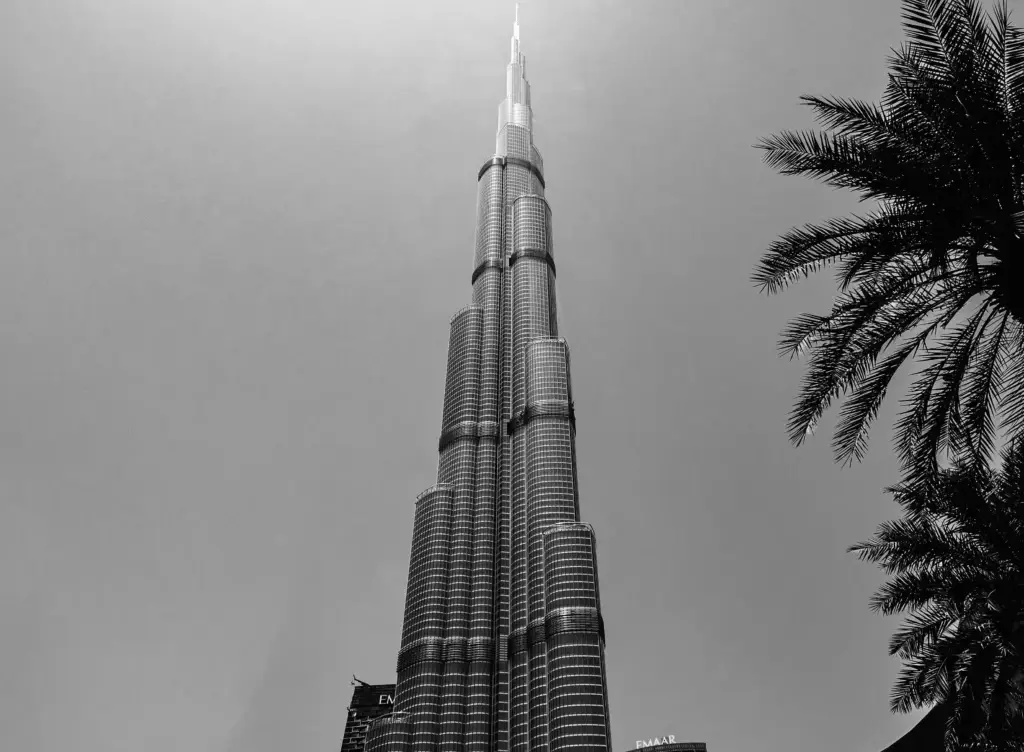
As of 2023, the tallest building in the world remains the Burj Khalifa in Dubai, standing at an impressive height of 828 meters (2,717 feet). Completed in 2010, this iconic structure features 163 floors and has received widespread acclaim for its design and engineering achievements.
Following closely is Shanghai Tower in China, which reaches 632 meters (2,073 feet) and boasts a unique twisting design. Completed in 2015, it is regarded as the second tallest building globally, showcasing sustainable architecture through its innovative energy-saving technologies.
Other contenders in the top tier include the Abraj Al Bait Clock Tower in Mecca, Saudi Arabia (601 meters), and the Ping An Finance Center in Shenzhen, China (599 meters). Each of these buildings presents unique architectural features and incorporates elements that resonate with cultural identities.
Recently Completed and Upcoming Projects
Construction of various skyscrapers is underway, with significant projects set to increase the ranks of the tallest buildings in the coming years. One notable project is the Jeddah Tower in Saudi Arabia, which aims to surpass the Burj Khalifa with an expected height of over 1,000 meters (3,281 feet). Slated for completion in 2024, it exemplifies the drive toward pushing architectural boundaries.
In addition, the Dubai Creek Tower, intended to be even taller than the Burj Khalifa, is currently in progress, with a projected height of over 1,300 meters (4,265 feet). These endeavors showcase the continuous ambition to redefine urban skylines.
Conclusion
The world’s tallest buildings are not only marvels of engineering but also reflections of the regions they inhabit and the aspirations of society. As cities expand and compete for prominence, these structures symbolize economic growth and architectural innovation. Looking forward, as technology evolves, we can anticipate even taller buildings that will challenge our perceptions of design and functionality. For readers fascinated by the intersection of culture, architecture, and urban development, keeping an eye on emerging skyscrapers is an invitation to witness the future of our cities.