Exploring the Polar Vortex: Causes and Effects on Weather
Introduction
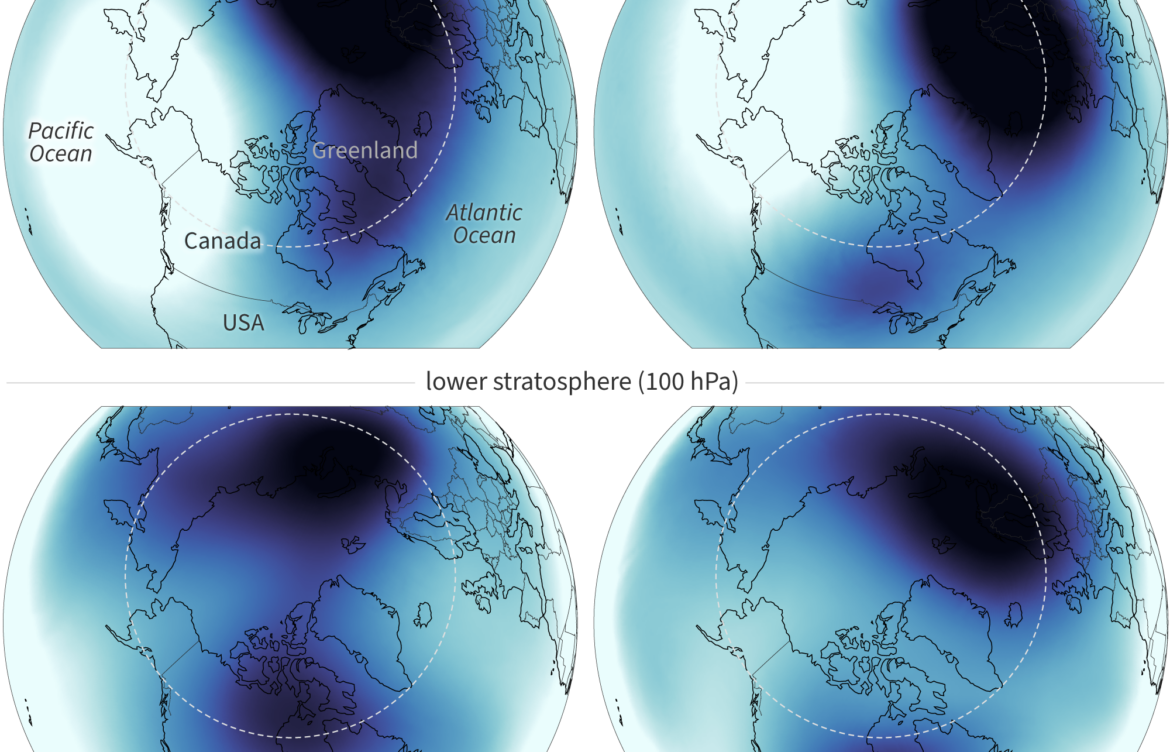
The polar vortex is a large area of low pressure and cold air surrounding the Earth’s poles. It plays a crucial role in shaping winter weather patterns in the United States and other regions. Understanding the polar vortex is essential, especially during winter months, as it can lead to severe cold snaps and extreme weather events that impact millions of people.
What is the Polar Vortex?
The polar vortex consists of powerful winds circulating around the Arctic, typically confined to the polar regions. However, disruptions can cause these winds to weaken or shift, resulting in frigid air spilling into lower latitudes. This phenomenon is particularly relevant in regions such as North America, where it can lead to significant drops in temperature and increased snowfall.
Current Events Surrounding the Polar Vortex
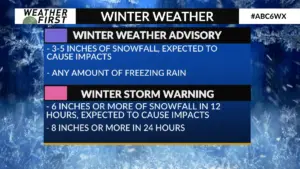
As of the current winter season, meteorologists have reported notable disturbances in the polar vortex that are expected to impact weather patterns across the United States. Recent forecasts suggest that a split in the polar vortex could lead to colder-than-average temperatures in parts of the Midwest and Northeast, with some areas bracing for severe wind chills. Scientists have been closely monitoring these shifts as they influence weather forecasts and public safety announcements.
Implications of the Polar Vortex Disruptions
The weakening of the polar vortex is often linked to climate change, as warmer Arctic temperatures can destabilize this crucial climate system. Experts warn that an unstable polar vortex may lead to more frequent and intense winter storms, while also increasing the unpredictability of weather patterns. Communities may face more challenging conditions, including housing and transportation difficulties during extreme cold events.
Conclusion
In summary, the polar vortex is a fundamental component of the Earth’s atmospheric system, influencing winter weather patterns significantly. As we experience changes in its behavior due to climate-related factors, it is essential for residents and policymakers alike to stay informed. As winters progress, understanding the polar vortex can help individuals prepare for harsh weather conditions and ensure safety throughout the season. Observing trends over the coming years may also provide insights into the long-term implications of climate change on the polar vortex and winter weather.