Exploring the Current Landscape of Vietnam
Introduction
Vietnam has emerged as a significant player on the global stage due to its rapid economic growth and rich cultural history. As the nation modernizes, it becomes increasingly relevant in discussions surrounding Southeast Asia’s geopolitical dynamics and economic strategies. Understanding Vietnam’s current developments is crucial for investors, travelers, and historians alike.
Economic Growth and Development
In 2023, Vietnam’s economy continues to show resilience, maintaining a growth rate of 5.8%, despite global economic challenges. This growth is primarily fueled by its manufacturing and export sectors, particularly electronics, textiles, and agriculture. The government has implemented various policies to attract foreign investments, making it a favored destination for global companies looking to diversify their supply chains.
Furthermore, Vietnam has entered numerous trade agreements, such as the EU-Vietnam Free Trade Agreement (EVFTA), which boosts trade relations and provides Vietnamese goods with preferential access to European markets. The country’s commitment to sustainable development and environmental concerns has also gained international attention, enabling it to participate in global discussions on climate change.
Cultural Significance
Vietnam is renowned for its rich cultural heritage, which reflects its history and diversity. The architectural marvels of Ho Chi Minh City and Hanoi, the serene landscapes of Ha Long Bay, and its lush rice terraces have made the country a popular tourist destination. As tourism rebounds post-COVID, efforts to promote sustainable tourism are underway, ensuring that cultural and natural heritage is preserved.
Festivals such as Tet (Lunar New Year) and the Mid-Autumn Festival showcase Vietnam’s traditions while fostering unity among its diverse ethnic groups. Additionally, Vietnamese cuisine, characterized by its balance of flavors and fresh ingredients, has garnered global admiration, contributing to the country’s cultural export.
Current Events and Future Outlook
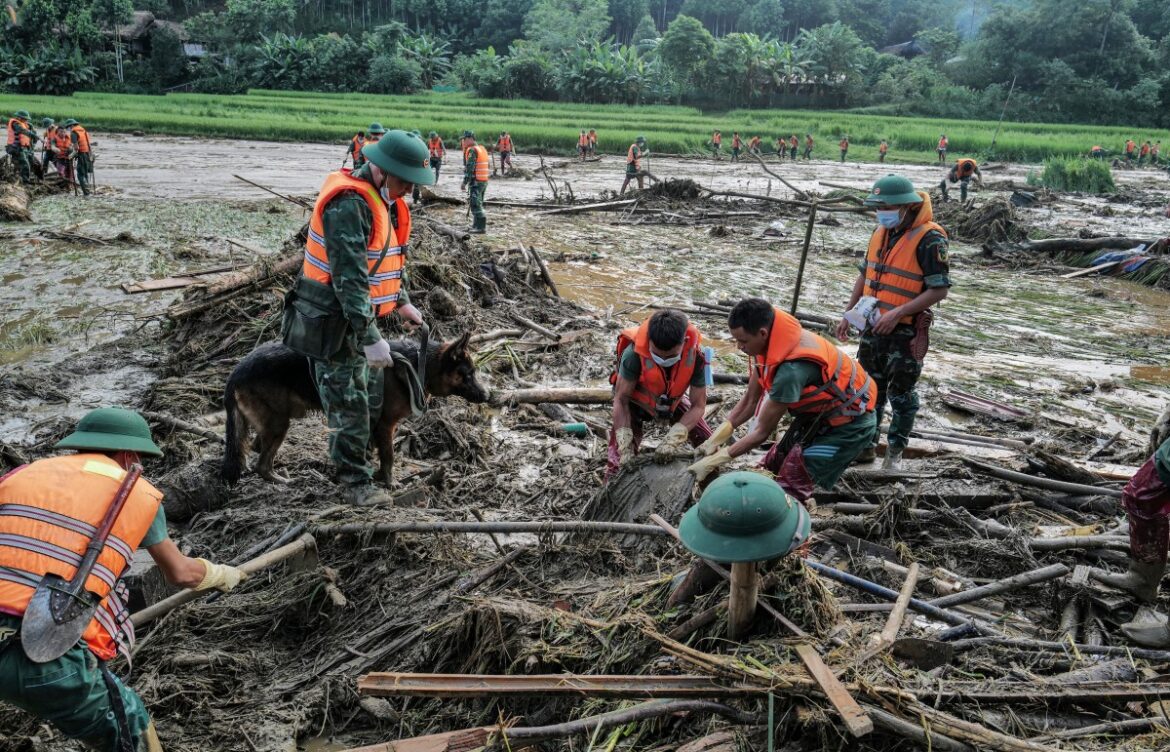
In recent weeks, Vietnam has faced challenges such as inflation and the impact of climate change, particularly concerning agriculture. The government is prioritizing economic reforms and digital transformation to counteract these issues. Investments in renewable energy projects aim to facilitate a transition to greener growth, with an emphasis on reducing carbon emissions by 30% by 2030.
Looking forward, Vietnam’s role as a manufacturing hub is expected to expand, especially as China’s manufacturing costs rise. Continued investment in infrastructure and technology will solidify its position in the global market. As Vietnam evolves, its potential as an economic powerhouse, cultural leader, and strategic partner in international relations will undoubtedly grow.
Conclusion
In summary, Vietnam’s current developments reflect its position as an emerging economy that balances tradition with modernity. The nation’s strides in economic growth, cultural preservation, and global engagement make it a key player in shaping the future of Southeast Asia. For those interested in the region, Vietnam offers numerous opportunities and lessons about resilience and adaptability in the face of a rapidly changing world.