Donald Trump Israel: US-Israeli War on Iran Intensifies
US-Israeli War on Iran Intensifies
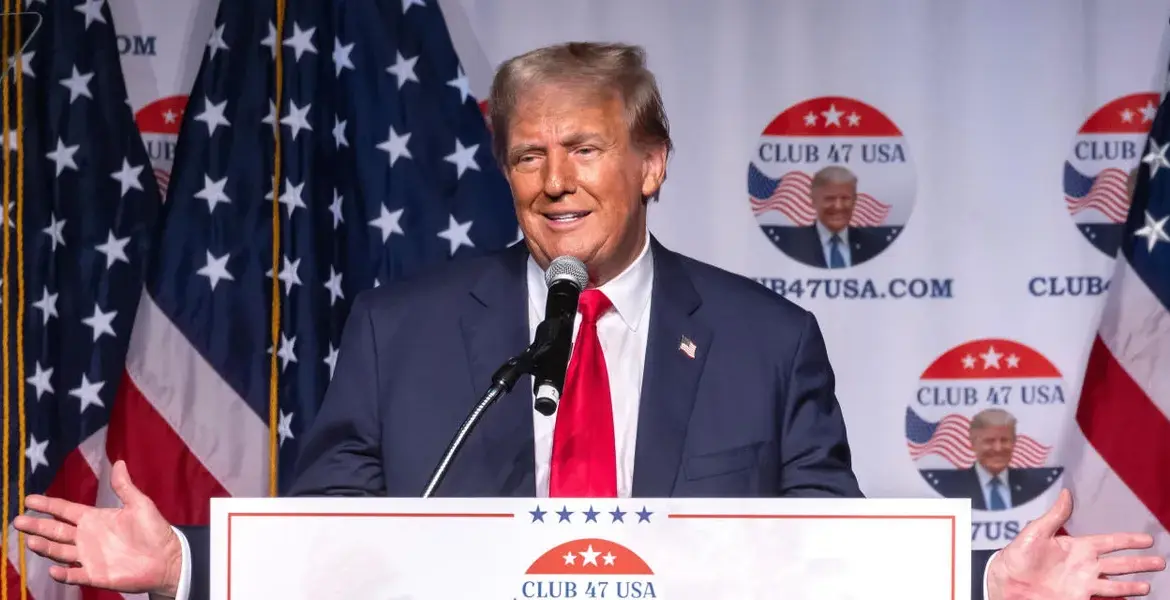
The ongoing US-Israeli war on Iran has escalated significantly since its inception on February 28, 2026, following the assassination of Iranian Supreme Leader Ayatollah Ali Khamenei. President Donald Trump has stated that the conflict will conclude “very soon,” emphasizing the urgency of the situation.
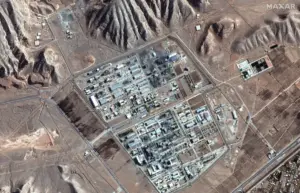
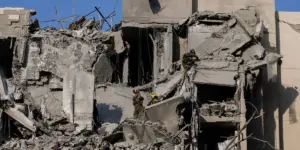
As of now, the US and Israel have struck approximately 5,000 targets across Iran, leading to severe consequences for the Iranian populace. Reports indicate that 1,200 individuals have died and 10,000 have been injured as a result of the military actions.
Trump characterized the military engagement as a “short-term excursion,” suggesting that the operations are intended to swiftly dismantle Iran’s military capabilities. He claimed that Iran’s missile capability has been reduced to about 10 percent or less, indicating a significant impact on their defense systems.
In a recent statement, Trump warned of a larger attack on Iran should the nation attempt to obstruct oil supplies in the strategic Strait of Hormuz. He asserted, “I will not allow a terrorist regime to hold the world hostage and attempt to stop the globe’s oil supply,” highlighting the geopolitical stakes involved.
Additionally, Trump expressed disappointment over the appointment of Mojtaba Khamenei as Iran’s new supreme leader, indicating concerns over the future direction of Iranian leadership. His administration continues to monitor the developments closely.
In a related diplomatic effort, Trump reported having a “positive phone call” with Russian President Vladimir Putin regarding the ongoing conflicts in Ukraine and Iran, suggesting a potential alignment of interests between the two nations.
The Brent crude oil price has surged to $119 per barrel during this conflict, reflecting the broader economic implications of the military actions and the instability in the region.
As the situation unfolds, the international community remains watchful, and further developments are anticipated. Details remain unconfirmed regarding the full extent of the military operations and their long-term impacts on regional stability.