David Gross Physics: A Nobel Laureate’s Warning for Humanity
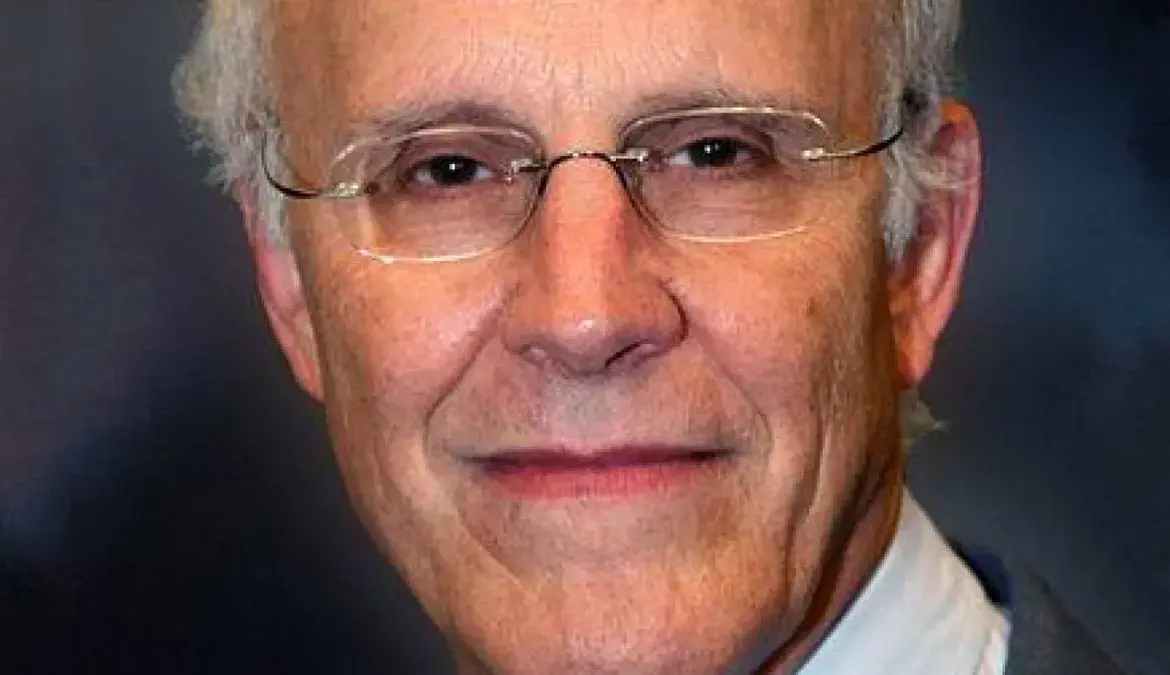
Renowned physicist David Gross has recently made headlines—not just for his groundbreaking work in theoretical physics, but for a stark warning about the future of humanity. He claims that we may not survive the next 50 years due to the increasing risk of nuclear war, estimating a chilling 2% chance of such a conflict each year.
Gross, who won the Nobel Prize in Physics in 2004 for his discovery of asymptotic freedom—the phenomenon where the force between quarks weakens as they get closer—has now added another accolade to his name. He recently received the $3 million Special Breakthrough Prize in Fundamental Physics, further solidifying his status as a leading figure in his field.
As a string theorist and theoretical physicist, Gross has dedicated much of his career to understanding the fundamental forces that govern our universe. His work has contributed significantly to unifying the strong, weak, and electromagnetic forces, culminating in what is known as the Standard Model of particle physics. Yet, despite these scientific achievements, he expresses deep concern about global security.
“The expected lifetime is about 35 years,” Gross stated bluntly, emphasizing that our current trajectory could lead us toward catastrophe. He believes that humanity’s chances of living another half-century are slim—”The chances of you living 50 years are very small,” he added. This perspective is alarming coming from someone who has spent decades unraveling the mysteries of the universe.
Gross points out that there are currently nine nuclear powers around the globe—each capable of escalating tensions further. “We’re entering an incredible arms race,” he warned. This statement resonates particularly with those who have witnessed historical conflicts and the potential for modern technology to exacerbate them.
His concerns are not merely speculative; they reflect a growing sentiment among scientists and political analysts alike. The risk of nuclear conflict has increased in recent years, raising alarms about how geopolitical dynamics can affect everyday lives—from families in small towns to urban centers across continents.
As we grapple with these pressing issues, observers are left wondering how society can mitigate these risks while fostering scientific advancement. While Gross’s estimates might not be rigorously quantified, they serve as a crucial reminder of our responsibilities—not only to ourselves but to future generations.
In a world where scientific progress often races ahead of ethical considerations, David Gross stands at a unique intersection—melding profound scientific insight with urgent humanitarian concerns. His voice adds weight to discussions about our planet’s future and challenges us all to consider what we can do today to ensure a safer tomorrow.