Current Developments in Benjamin Netanyahu’s Political Career
Introduction
Benjamin Netanyahu, the longest-serving Prime Minister of Israel, is a pivotal figure in Israeli politics. His recent political maneuvers and legal challenges have stirred significant discourse in both national and international arenas. With tensions in the Middle East continuing to rise and shifts in global alignments, understanding Netanyahu’s actions and decisions is paramount for analyzing Israel’s current landscape and its future trajectory.
Recent Events
Netanyahu has recently been embroiled in a series of political challenges amid ongoing legal battles concerning corruption allegations stemming from his previous terms in office. In 2020, he was indicted on charges of bribery, fraud, and breach of trust, which have led to a divide in public opinion. His supporters argue that the charges are politically motivated, while opponents call for accountability.
In the wake of these challenges, Netanyahu has managed to maintain a powerful hold over the Likud party and has even leveraged his legal struggle to rally his base. In 2023, his government advanced a controversial judicial reform plan aimed at limiting the powers of the Supreme Court, stirring public protests that underscore the societal split in Israel on issues of governance and democracy.
International Relations
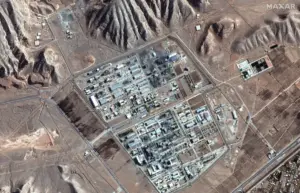
Netanyahu’s foreign policy has also been a focal point of his leadership. He has emphasized security and stability, particularly concerning Iran’s nuclear ambitions, and has worked toward normalizing relations with several Arab nations. His role in brokering the Abraham Accords, which normalized relations between Israel and multiple Arab states, remains a significant achievement that he cites as a foundation for regional cooperation.
Conclusion
As Israel navigates complex challenges at home and abroad, Benjamin Netanyahu’s leadership will remain under scrutiny. His ability to stabilize his government while addressing legal challenges, public dissent, and regional tensions will be critical in shaping the future of Israel. Analysts predict that if Netanyahu can effectively communicate his vision and manage dissent, he may continue to lead Israel through turbulent waters, potentially reshaping the political landscape for years to come. Understanding Netanyahu’s strategy and its implications will be essential for those invested in Israeli affairs.