Cuba: Economic Crisis and US Foreign Policy Implications
Cuba’s Current Economic Crisis
Cuba is grappling with a significant economic crisis that has been worsened by fuel shortages and a heavy reliance on Venezuelan oil. The Cuban government recently announced that the island’s jet fuel supplies had run dry as of February 8, 2026, further complicating an already dire situation. This crisis has led to severe restrictions on fuel sales, with the government limiting sales in local pesos and capping US dollar purchases to just 20 liters per vehicle.
As a result, private taxi fares have surged, with petrol prices reaching $8 per liter on the black market. The economic landscape in Cuba has deteriorated sharply, with the country’s GDP contracting by 15 percent over the past five years. This contraction has had a profound impact on public health and life expectancy indicators, raising concerns about the overall well-being of the Cuban population.
US Involvement and Policy Changes
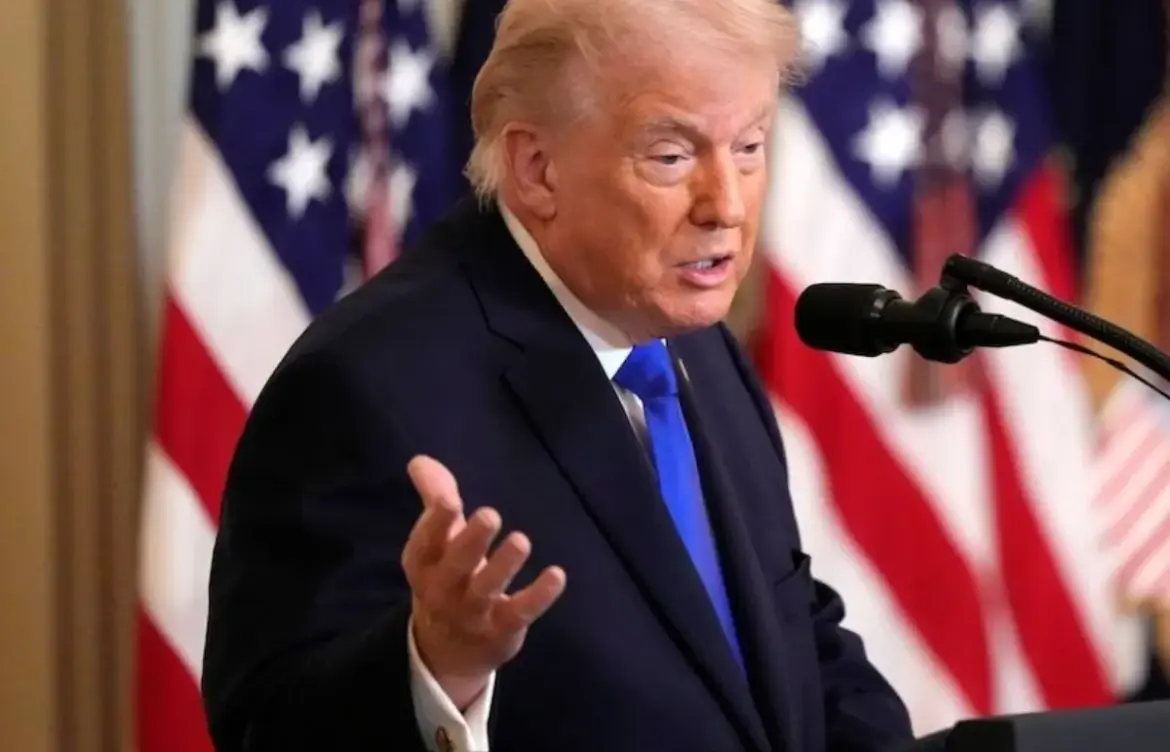
In light of these developments, former President Donald Trump has suggested that the United States may shift its focus to Cuba after addressing the ongoing conflict with Iran. Trump stated, “What’s happening with Cuba is amazing. And we think that, we want to finish this one [Iran] first.” This statement has raised questions about the potential for a change in US foreign policy towards Cuba, especially given the historical tensions between the two nations.
Trump also praised Senator Marco Rubio’s efforts regarding Cuba, indicating a possible alignment of US political interests with the current challenges faced by the Cuban government. The US has imposed severe restrictions on the Cuban economy, affecting trade, finance, and energy supplies, which have only intensified the hardships experienced by the Cuban people.
Humanitarian Considerations
In response to the crisis, the US Department of the Treasury recently announced that it would allow the resale of some Venezuelan oil to Cuba for commercial and humanitarian use. This move aims to alleviate some of the immediate pressures on the Cuban economy, but the effectiveness of this policy remains uncertain. The situation on the ground continues to evolve, with many Cubans expressing frustration over the deteriorating living conditions.
Daniel Torralbas, an economic analyst, remarked, “This year will probably be one of the toughest for the Cuban economy since the revolution,” highlighting the severity of the current crisis. Alejandro Candelaria, a local resident, added, “Living under these conditions doesn’t benefit anyone,” reflecting the widespread discontent among the populace.
Looking Ahead
As the situation in Cuba unfolds, the implications of Trump’s statements on US foreign policy remain unclear. The potential for a shift in strategy could have significant repercussions for both nations, particularly in light of the ongoing economic challenges faced by Cuba. Details remain unconfirmed regarding how the US’s new policies will be implemented and their potential impact on the Cuban economy.
With the Cuban government struggling to manage the crisis and the US contemplating its next steps, the future of US-Cuba relations hangs in the balance. Observers will be closely watching how these developments unfold and what they mean for the Cuban people in the coming months.