Code: Labour s and Digital Assets: A Community Perspective
How it unfolded
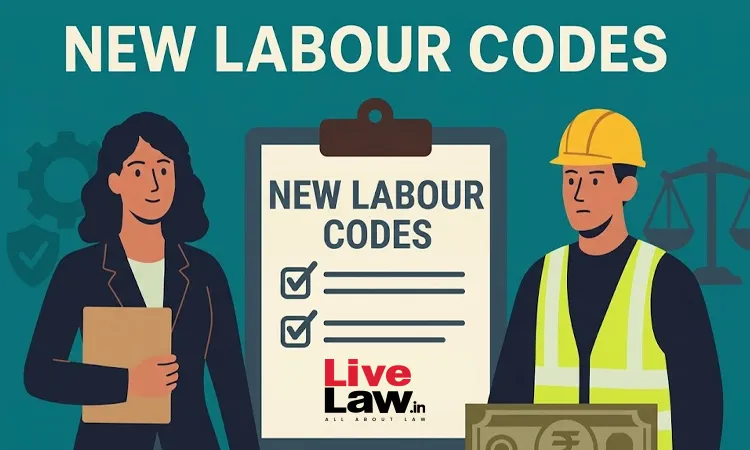
As India strides into a new era of legal reform, the introduction of the Labour Codes marks a significant shift in the landscape of employment regulations. Just before these changes took effect, the existing framework was primarily governed by the Factories Act of 1948, which capped working hours at 48 per week and 9 hours per day. This framework, while foundational, was increasingly seen as outdated in the face of modern work environments and the diverse nature of employment across various sectors.
In 2020, the Occupational Safety, Health and Working Conditions Code was introduced, prescribing a maximum of eight working hours per day. This was a notable change, as it extended the provisions of the labour laws beyond traditional factories to all establishments across sectors. The aim was to create a more equitable working environment, ensuring that all workers, regardless of their industry, benefit from the same protections.
Simultaneously, the Code on Wages, enacted in 2019, mandated overtime payment without setting any wage ceiling, further enhancing worker rights. These developments are crucial for the community as they aim to protect the rights of workers, ensuring fair compensation and reasonable working conditions.
In a parallel development, the legal landscape surrounding digital assets has also evolved. Recently, the Karnataka High Court ruled that digital assets, including data and proprietary code, are owned exclusively by the company. Justice M. Nagaprasanna emphasized that “in the contemporary digital age, the assets of a Company are not confined to physical or movable property. They extend, in significant measure, to data, code and intellectual propriety.” This ruling has significant implications for employees and shareholders alike, as it clarifies the ownership of digital assets and the limitations of individual claims over company property.
Moreover, the court stated that a shareholder cannot claim ownership over a company’s assets to negate allegations of misappropriation. This decision reinforces the idea that the property of the company, whether tangible or intangible, vests solely in the company, thereby protecting the integrity of corporate assets.
As the community grapples with these changes, the introduction of the Gujarat Uniform Civil Code (UCC) Bill in 2026 adds another layer of complexity to the legal landscape. This bill aims to replace religion-based personal laws with a uniform set of rules applicable to all citizens, a move that has been met with both support and opposition. Uttarakhand was the first Indian state to pass a UCC law in 2024, setting a precedent that the Gujarat UCC Bill seeks to build upon.
The Gujarat UCC Bill prohibits bigamy and mandates the registration of live-in relationships, reflecting a progressive approach towards personal laws. However, it is important to note that the provisions of this bill will not apply to Scheduled Tribes and certain protected groups, highlighting the ongoing challenges in achieving complete legal equality.
These developments in labour codes and digital assets are not just legal changes; they represent a significant step towards legal reform and social equality in India. The idea of a Uniform Civil Code is mentioned in Article 44 of the Indian Constitution, which underscores the importance of these reforms in promoting a cohesive society. As these laws evolve, they will undoubtedly shape the future of work and personal rights in the community, fostering an environment where fairness and equality are paramount.