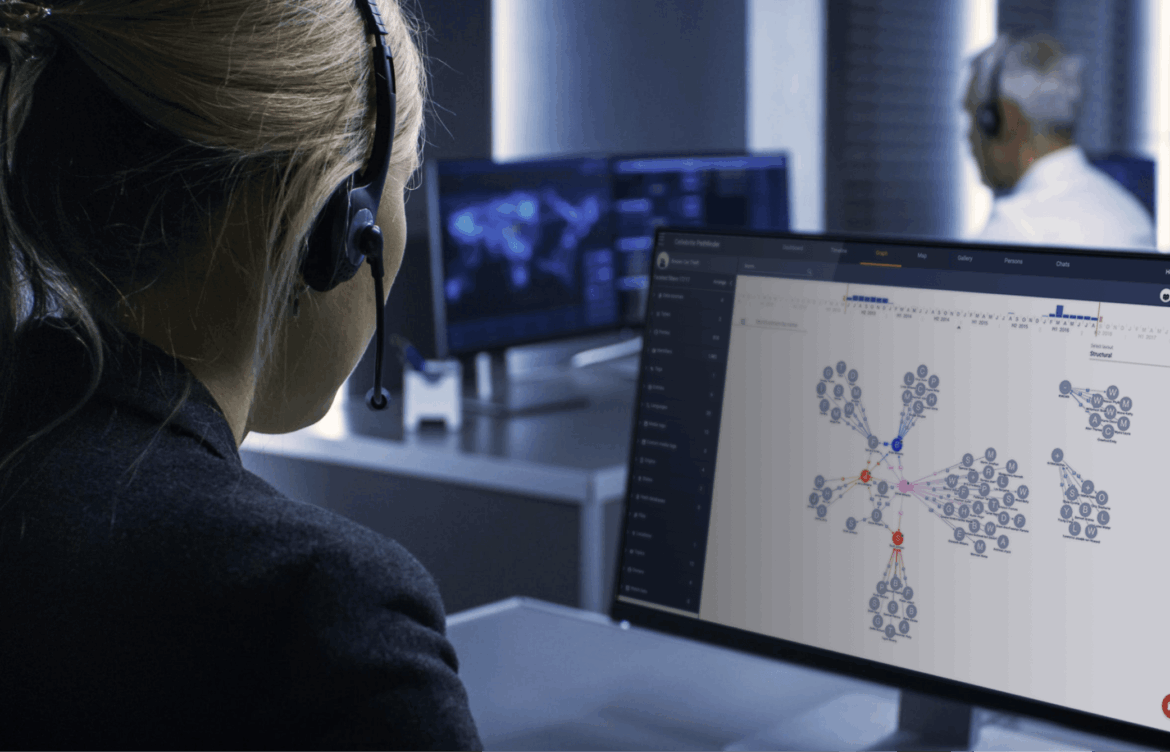
Cellebrite: Revolutionizing Digital Forensics for Law Enforcement
Introduction
Cellebrite, a global leader in digital intelligence, has become a pivotal player in the law enforcement and cybersecurity landscape. As the volume of data generated through personal devices continues to rise, the need for effective digital forensics tools has never been more critical. With the capabilities to extract and analyze data from mobile devices, Cellebrite plays a crucial role in modern investigations.
The Rise of Cellebrite
Founded in 1999, Cellebrite initially focused on mobile data transfer solutions. However, the company quickly pivoted to digital forensics as the demand for mobile device data extraction grew. Today, Cellebrite’s tools are utilized by thousands of law enforcement agencies worldwide to gather evidence from smartphones, tablets, and other digital devices. Their flagship product, the Universal Forensic Extraction Device (UFED), allows investigators to access encrypted data, deleted files, and application data, enabling thorough investigations regardless of the device’s security measures.
Current Events and Developments
In recent developments, Cellebrite has announced partnerships with various tech firms to enhance its extraction capabilities. For instance, they have extended their software’s compatibility with the latest devices and operating systems, ensuring law enforcement agencies can keep pace with continually evolving technologies. Moreover, Cellebrite has also made significant strides in addressing privacy concerns by implementing sophisticated data handling protocols designed to protect the confidentiality of individuals while still providing essential forensic capabilities.
Challenges and Controversies
Despite its success, Cellebrite has faced scrutiny regarding the ethical implications of its technology. Critics argue that the company’s tools can be misused for surveillance and invasion of privacy. In response, Cellebrite has emphasized its commitment to legal and ethical guidelines, highlighting that their products are intended solely for lawful investigations by authorized personnel.
Conclusion
Cellebrite’s ongoing advancements in digital forensic technologies position it as a key player in law enforcement’s toolkit against cybercrime and digital evidence gathering. As technology continues to evolve, Cellebrite is expected to further refine its solutions to address the growing challenges in digital investigations. For professionals in the field, understanding Cellebrite’s role and developments is vital, as it impacts both the efficacy of criminal investigations and the broader conversation regarding privacy and civil liberties.