Benjamin Netanyahu and His Role in Israeli Politics Today
Introduction
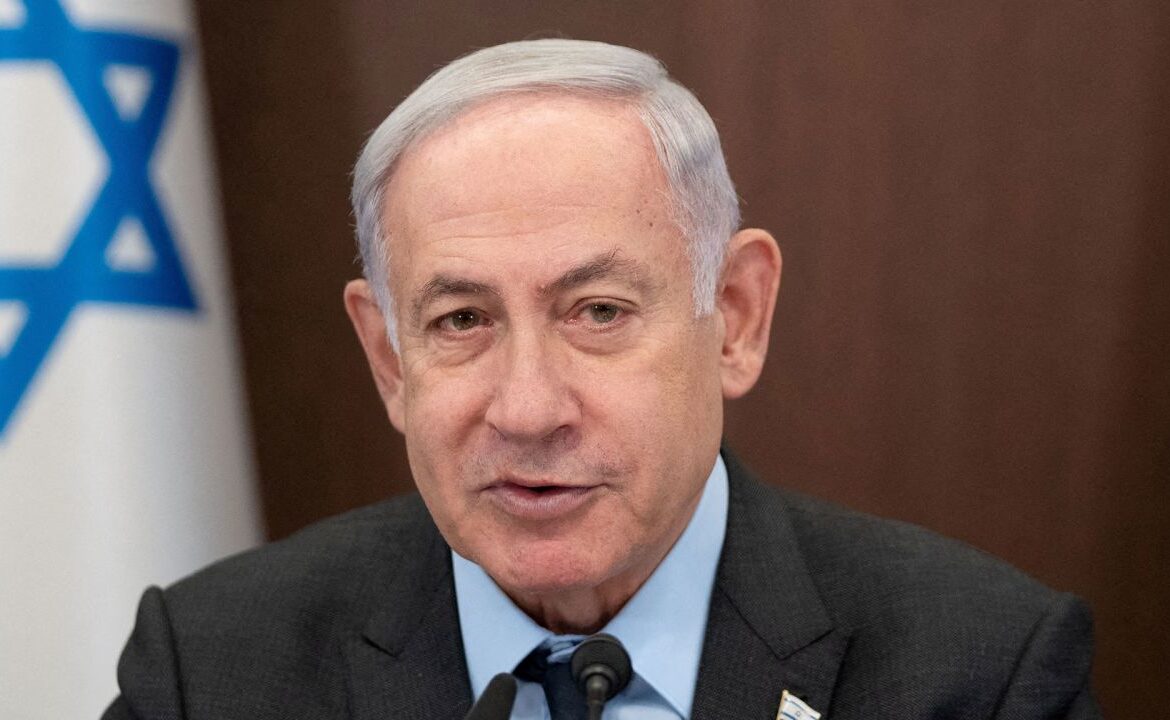
Benjamin Netanyahu, a central figure in Israeli politics, has been at the forefront of the country’s leadership for over a decade. As Israel’s longest-serving prime minister, his policies and decisions have significant implications not only for the country but also for the entire Middle East region. In light of recent developments, understanding Netanyahu’s current status and political maneuvers is crucial for grasping the future landscape of Israel.
Recent Developments
In October 2023, Netanyahu faced increasing challenges both from within his coalition government and from the opposition. The Israeli Knesset (parliament) has seen a surge in protests against his controversial judicial reforms, which many critics argue undermine the independence of the judiciary. The reforms aim to limit the Supreme Court’s powers, raising concerns among legal experts and civil rights organizations.
Moreover, Netanyahu’s handling of security issues, especially in response to escalating tensions with Palestinian groups, has attracted scrutiny. Recent clashes in Gaza have resulted in casualties on both sides, leading to calls for Netanyahu to adopt a more conciliatory approach. The situation has intensified with the rise of violence in the West Bank, further complicating his administration’s strategy.
Political Implications
Netanyahu’s political future could hinge on his ability to navigate these turbulent waters. His coalition government, which relies on a fragile alliance with right-wing factions, remains at risk of fracturing if he does not manage to quell the growing dissent. The potential for early elections looms, as opposition parties are gaining momentum and calling for accountability regarding his government’s policies.
Internationally, Netanyahu’s relationship with allies, particularly the United States, will also be put to the test. The Biden administration has expressed concerns over Netanyahu’s approach to the Palestinian issue and his domestic reforms. How Netanyahu responds to these pressures could have far-reaching effects on Israel’s foreign relations and its standing in the global community.
Conclusion
As Benjamin Netanyahu continues to assert his influence on Israeli politics, the coming months are crucial for both his leadership and the stability of the nation. Observers are keenly watching how he balances internal pressures with external expectations. The outcomes of these dynamics will be significant not only for Netanyahu’s political survival but also for the future of Israeli democracy and its relations in the volatile Middle East. It remains to be seen whether Netanyahu can adapt to this changing landscape or if he will face increasing opposition that could alter the course of Israeli politics.