Benjamin Netanyahu: A Key Figure in Israeli Politics
Introduction
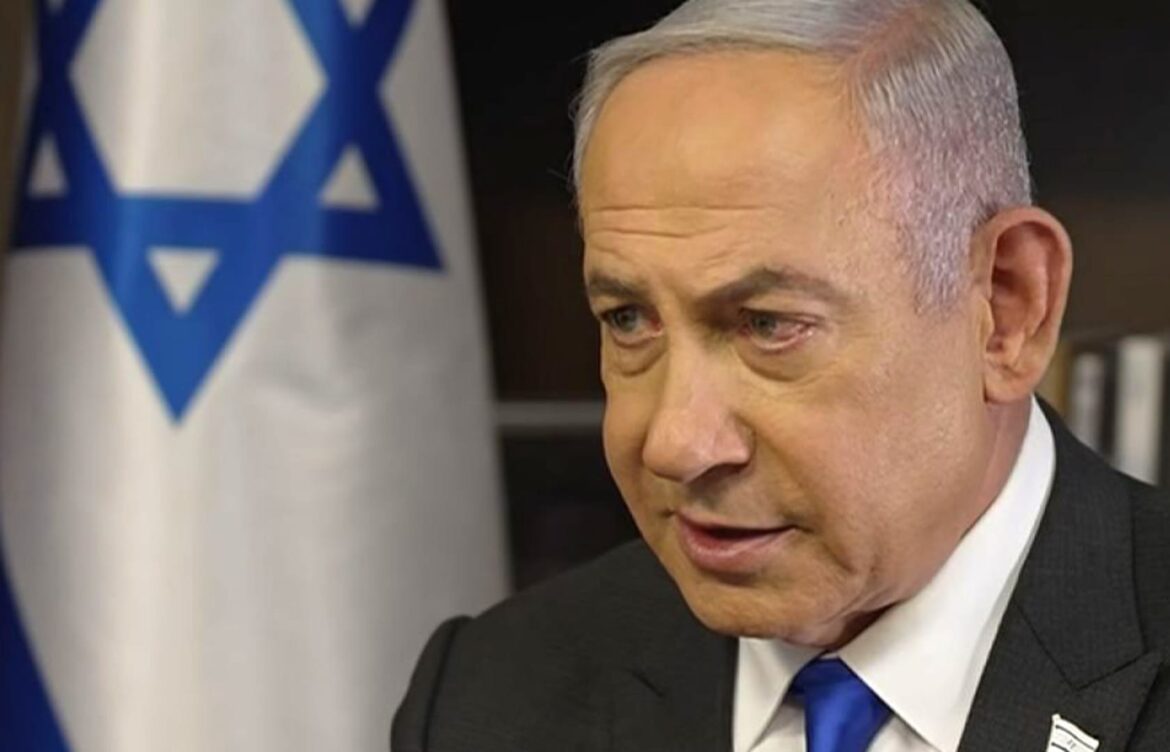
Benjamin Netanyahu, Israel’s longest-serving Prime Minister, plays a pivotal role in shaping the nation’s political landscape. His influence is significant not only within Israel but also in global diplomacy, especially regarding Middle Eastern relations. Understanding Netanyahu’s political journey and current activities provides insight into Israel’s future directions and challenges.
Political Rise and Tenure
Netanyahu’s political career began in the 1980s, quickly ascending him to the role of Deputy Minister of Foreign Affairs and later as Israel’s Ambassador to the United Nations. His first term as Prime Minister was from 1996 to 1999, and he returned to office in 2009, serving until 2021. After a brief hiatus, he reclaimed the position in late 2022.
Key Policies and Positions
Throughout his political tenure, Netanyahu has been a staunch advocate for security and defense, often prioritizing Israel’s military strength. His administration has seen significant events such as the normalization agreements with several Arab nations, marking a shift in diplomatic relations that could reshape the region’s future.
Current Events
Currently, Netanyahu faces various challenges, including ongoing tensions with Palestinian factions, economic hardships, and internal opposition. Protests against his government’s proposed judicial reforms have sparked widespread demonstrations, with citizens voicing concerns over democracy and civil rights. According to recent polls, public support for his government is waning amidst these controversies.
International Relations
On the international stage, Netanyahu continues to engage with both traditional allies and emerging powers. His recent visit to the United States highlighted discussions on shared security concerns, particularly regarding Iran. However, reactions to his government’s policies remain mixed, reflecting the complexities of foreign diplomacy in today’s geopolitical climate.
Conclusion
Netanyahu remains a dominant figure in Israeli politics, facing significant hurdles as he navigates a divided political landscape. His decisions will impact not just Israel’s immediate future but also its standing in world affairs. Observers will need to watch how he balances internal dissent with external pressures and how this may shape Israel’s path forward. As his government pushes through contentious reforms, the coming months will be crucial in determining Netanyahu’s legacy and Israel’s democratic integrity.