Bangladesh: Political Landscape Shifts After Uprising
Political Context Before the Uprising
Prior to the upheaval in 2024, Bangladesh was under the long-standing governance of Sheikh Hasina and the Awami League. The political environment was characterized by a lack of parliamentary activity, with many accusing the government of authoritarian practices.
Decisive Changes in Governance
The situation escalated dramatically in 2024, resulting in a deadly uprising that claimed approximately 1,400 lives and left over 20,000 injured. This unrest prompted a significant political shift, culminating in the first parliamentary session since the crisis on March 12, 2026.
New Parliamentary Dynamics
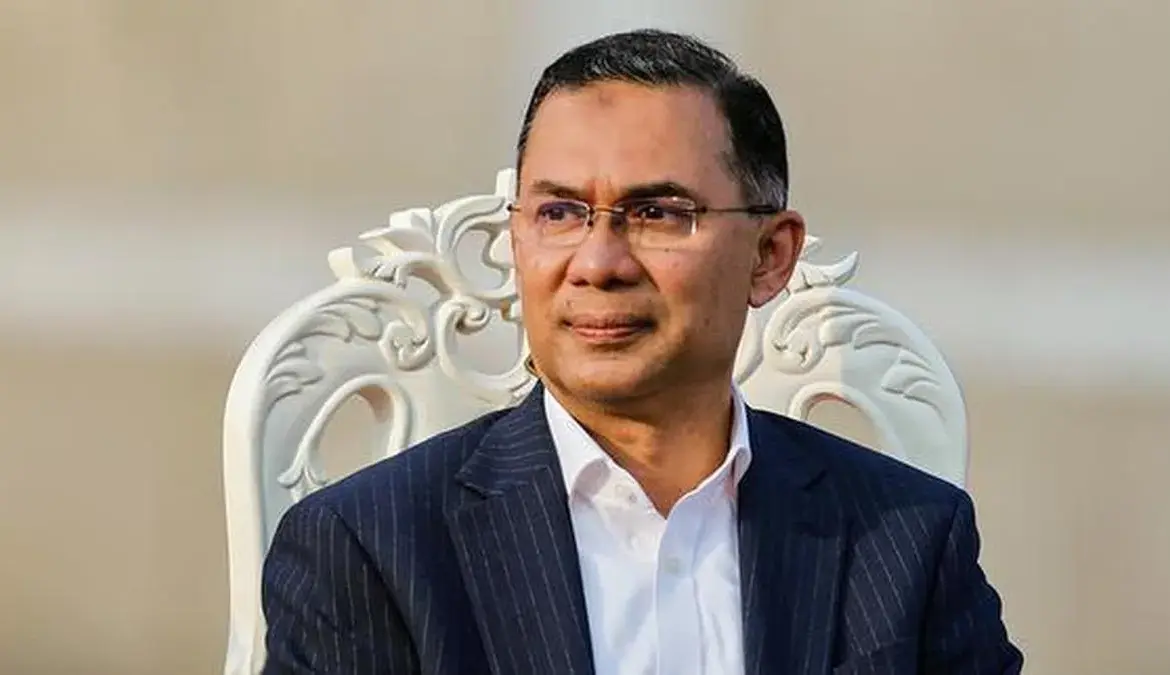
In this recent session, the Bangladesh Nationalist Party (BNP), led by Tarique Rahman, emerged as a dominant force, securing 212 seats in the 350-seat parliament. The BNP alone won 209 seats, indicating a substantial shift in public support.
Opposition and Challenges
The opposition is now led by Shafiqur Rahman from the Jamaat-e-Islami-led alliance, which holds 76 seats. This new configuration marks a significant change from the previous political landscape dominated by the Awami League.
Expert Perspectives
Tarique Rahman commented on the new parliamentary session, stating, “After more than a decade and a half of fascist and subservient rule, the activities of Parliament are beginning today with representatives elected by the people.” This sentiment reflects a broader desire for democratic governance.
Impact on Governance and Society
The uprising and subsequent political changes have led to the closure of universities and the implementation of fuel rationing amid an ongoing energy crisis. Bangladesh, known as the world’s second-largest garment exporter, faces significant challenges in maintaining its economic stability.
Looking Ahead
As the BNP aims to restore parliamentary function, Rahman has expressed intentions to make Parliament the center of national debates, stating, “We will make Parliament the centre of all debates and arguments aimed at resolving the country’s problems.” This could signal a new era of political engagement in Bangladesh.
With the political landscape in Bangladesh undergoing such profound changes, the implications for governance, civil society, and international relations remain to be seen. Details remain unconfirmed regarding the long-term effects of these developments.