Australia Tropical Cyclone Red Sky: A Rare Weather Phenomenon
How it unfolded
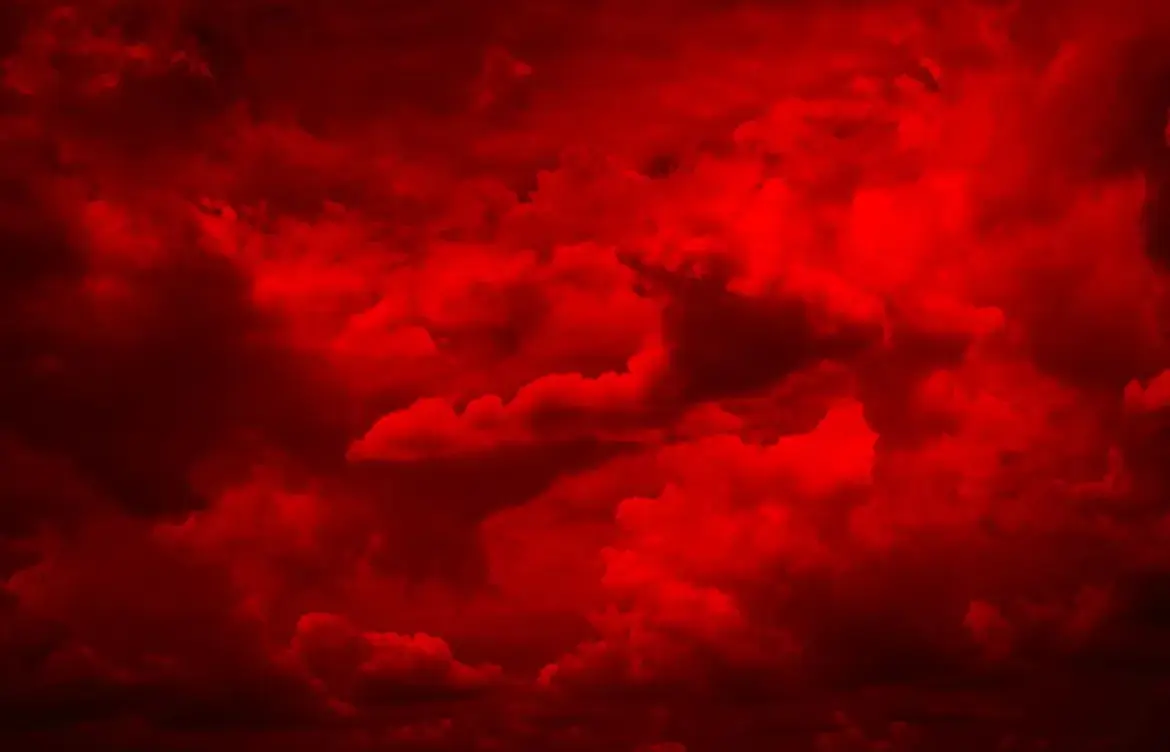
On March 30, 2026, residents of Western Australia were greeted by an unusual sight: a sky painted in deep red hues. This striking phenomenon was the result of atmospheric dust stirred up by Tropical Cyclone Narelle, which had recently made landfall across multiple states including Queensland, Northern Territory, and Western Australia.
The cyclone, which formed near the Solomon Islands—approximately 2,000 kilometers northeast of Australia—traveled an impressive 5,700 kilometers before reaching the western coast. As it approached, the cyclone brought with it damaging winds that extended between 200 to 260 kilometers from its center, creating a sense of urgency among local communities.
In the weeks leading up to the cyclone’s arrival, the greater northwest region of Australia had experienced only 10 to 50 mm of rainfall. This lack of moisture set the stage for the cyclone to generate dust storms, a rare occurrence given that tropical cyclones typically bring heavy rainfall instead. The red dust, rich in iron oxides from the Pilbara region’s soil, contributed to the vivid appearance of the sky.
Local residents were taken aback by the intensity of the red sky. Tom Gill, a local observer, remarked, “This is pretty extreme! It’s about the reddest dust levels I’ve ever seen.” The striking visuals were coupled with a sense of unease as people prepared for the cyclone’s impact.
As the cyclone approached, one holiday park owner shared their thoughts, saying, “Not a lot of wind yet. Let’s hope we get enough rain to wash it all off. It’s an inside day for us, that’s for sure.” This sentiment echoed throughout the community as families and businesses braced for the storm’s arrival.
NASA noted the rarity of such a storm making landfall across three Australian states and territories, emphasizing the unique nature of this weather event. The combination of dust storms and a tropical cyclone presents a complex challenge for communities accustomed to more typical cyclone behavior.
As of now, the skies remain tinged with red, and the community is on high alert. The aftermath of Tropical Cyclone Narelle will likely leave lasting impressions, both visually and in terms of the environmental impact. Residents are left to ponder the implications of such extreme weather phenomena in their region.
This sequence of events highlights the intricate relationship between tropical cyclones and the arid landscapes of Australia. As communities navigate the challenges posed by climate change and extreme weather, the red sky serves as a reminder of nature’s unpredictable power.