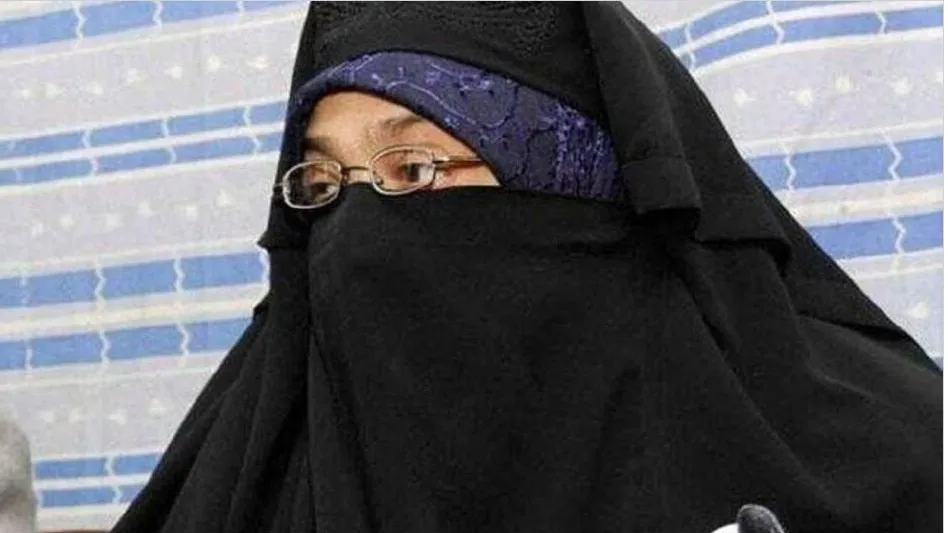
Asiya Andrabi Sentenced to Life Imprisonment in Delhi
“The court also sentenced two associates of Andrabi, Sofi Fehmeeda and Nahida Nasreen, who were also convicted for 30 years in prison in the same case.” This statement from the Delhi court encapsulates the gravity of the ruling delivered on March 24, 2026, where Asiya Andrabi was sentenced to life imprisonment.
Andrabi, a prominent figure linked to the banned organization Dukhtaran-e-Millat (DeM), was convicted under the Unlawful Activities (Prevention) Act (UAPA). The court found her and her associates guilty of being active members of a terrorist organization, promoting secessionist ideology, and inciting hatred against India.
The National Investigation Agency (NIA) had initiated a probe into the activities of DeM on the directions of the Union Ministry of Home Affairs, leading to Andrabi’s arrest in 2018. The organization, founded in 1987, was banned in 2004 due to its extremist activities.
The court’s ruling highlighted that the NIA had successfully proven the involvement of all three accused in promoting the activities of DeM, which has long been associated with separatist movements in Kashmir.
In addition to Andrabi’s life sentence, her associates, Fehmeeda and Nasreen, received 30-year prison terms, reflecting the court’s stance on the seriousness of their actions.
The case has drawn significant attention, as it underscores the ongoing challenges faced by authorities in addressing terrorism and separatism in the region. The ruling is seen as a critical step in the fight against such ideologies.
As the community processes this ruling, many are left contemplating the implications for the future of activism and dissent in Kashmir. The court’s decision may serve as a precedent for similar cases in the future.
Details remain unconfirmed regarding any potential appeals from the convicted individuals, but the legal ramifications of this case are expected to resonate throughout the region.
The sentencing of Andrabi and her associates marks a pivotal moment in the ongoing struggle against terrorism in India, particularly in the context of Kashmir’s complex socio-political landscape.
Asiya Andrabi’s conviction is likely to spark further discussions about the balance between national security and civil liberties, a topic that remains contentious in contemporary India.