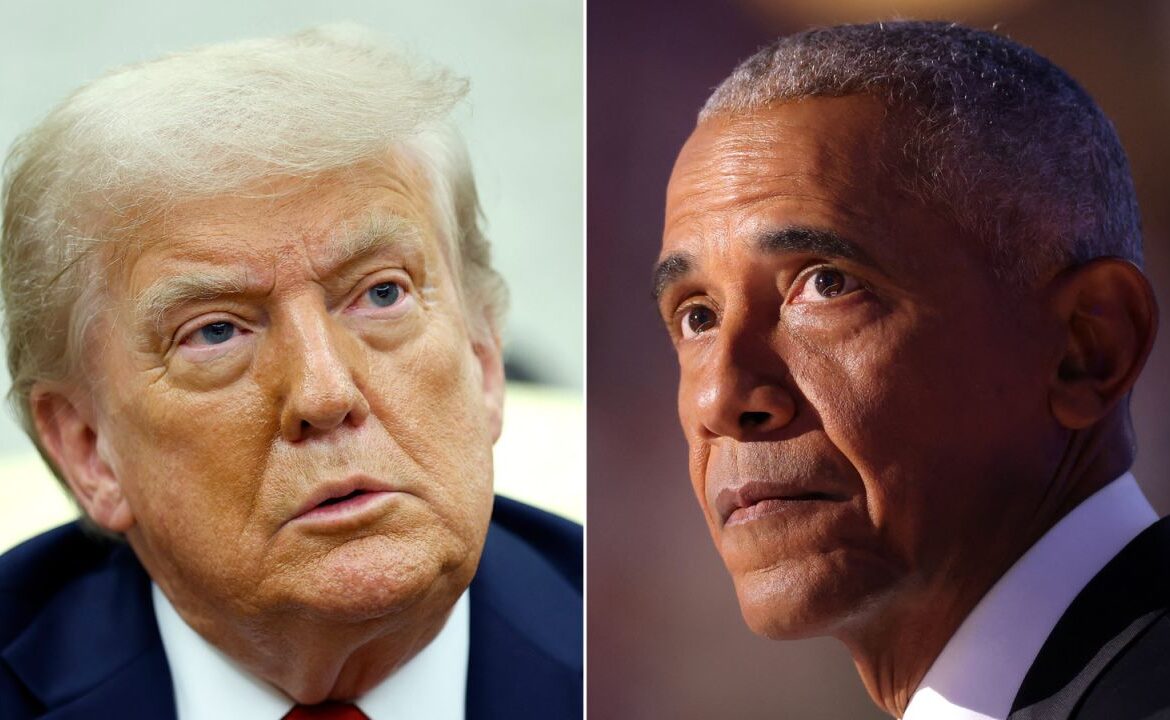
An In-Depth Look at the Legacies of Trump and Obama
Introduction
The presidencies of Donald Trump and Barack Obama represent two contrasting chapters in recent American history. Each leader’s policies, political ideologies, and public reception have significantly shaped the country’s trajectory. Understanding their respective approaches provides insight into contemporary political dynamics and voter sentiment, as well as illuminating ongoing national discussions.
Contrasting Policies and Legacies
Barack Obama, elected in 2008, became the first African American president of the United States. His administration focused on several key areas, including healthcare reform with the Affordable Care Act (ACA), economic recovery from the 2008 financial crisis, and an emphasis on climate change initiatives. Obama’s legacy is often framed through the lens of hope and progressive change, aiming to expand access to quality healthcare and fostering a more inclusive society.
Conversely, Donald Trump’s tenure, beginning in 2017, was characterized by a populist approach and a focus on nationalism. His administration implemented significant tax cuts through the Tax Cuts and Jobs Act of 2017, deregulated various industries, and adopted a more aggressive stance on immigration. Trump also prioritized America’s energy independence and re-negotiated trade deals, most notably replacing NAFTA with the United States-Mexico-Canada Agreement (USMCA). His administration’s emphasis on ‘America First’ policy led to a polarized electorate, often contrasting sharply with Obama’s inclusive rhetoric.
Public Perception and Polarization
Public reception of both presidents has also been deeply polarized. Obama was often celebrated for his oratory skills and his vision for a united America but faced criticism for extending military operations abroad as well as for controversies surrounding his immigration policies. On the other hand, Trump attracted a devoted base that appreciated his directness and challenge to political norms, but he also faced significant backlash, particularly regarding his handling of race relations and his response to the COVID-19 pandemic.
Conclusion
As of 2023, both Trump and Obama remain influential figures in American politics, their policies still being debated and evaluated. The contrast between their administrations underscores the shifting landscape of American political ideology. While Trump brought forth issues of nationalism and populism, Obama was a beacon for progressive ideals and globalism. As voters reflect on the legacies of these two presidents, the lessons learned serve as a reminder of the complexities and diversities in American political culture. Moving forward, the dialogue surrounding their respective impacts will continue to influence future generations and political leaders.