അമേരിക്ക: Moscow’s Proposal Rejected: America and Iran’s Uranium Standoff
On April 16, 2026, tensions flared once more in Moscow as the United States rejected a significant proposal from Russia regarding Iranian uranium. Dmitry Peskov, the Kremlin spokesperson, announced the rejection, stating, “We were ready to accept Iran’s enriched uranium on Russian soil. This would have been a very good decision, but unfortunately, America rejected this proposal.” This marked a crucial moment in ongoing negotiations aimed at alleviating regional tensions.
This proposal was not new; it echoed a similar one made by Russia back in June. At that time, the hope was to ease escalating conflicts and stabilize a region fraught with uncertainty. However, with the US turning down the offer, the situation appears to be growing more precarious.
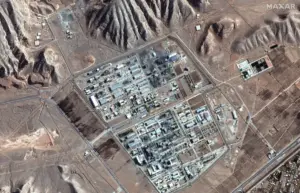
Iran maintains that its enriched uranium is solely for peaceful energy purposes. Yet, as the conflict between Iran and the United States continues to escalate, mistrust looms large. The implications of the US rejection could further complicate an already unstable environment in the Middle East.
As if that weren’t enough, the United Arab Emirates (UAE) has expressed serious concerns over its economic future amid this turmoil. The central bank governor warned that if the Iran-US war persists, they may have to resort to using Chinese yuan for oil trade. This statement underscores just how interconnected these geopolitical events are with local economies.
During this ongoing conflict, Iran has launched around 2,800 drones and missiles targeting UAE locations—a stark reminder of how quickly tensions can escalate into violence. The US has reportedly spent $2 billion per day during the first 40 days of this conflict alone, raising questions about fiscal sustainability and long-term strategies.
The rejection of Russia’s proposal is not merely a diplomatic setback; it could have far-reaching consequences for ordinary people living in these regions. Families in both Iran and the UAE are feeling the impact of rising tensions through increased prices and uncertainty about their futures.
As we stand now, details remain unconfirmed regarding what this rejection will mean for regional stability. The stakes are high for everyone involved—politicians making decisions far away often forget how their choices affect everyday lives.