Abu dhabi missile attack
Background and Initial Expectations
The United Arab Emirates (UAE) has long been a stable hub in the Middle East, with a significant expatriate population, including approximately 3.5 million Indian nationals. Historically, the UAE has been part of a coalition intervening in Yemen since 2015 against the Houthi movement, which has led to a relatively secure environment for its residents and visitors. However, the recent escalation in hostilities has shattered this perception of safety.
Decisive Changes and Immediate Impact
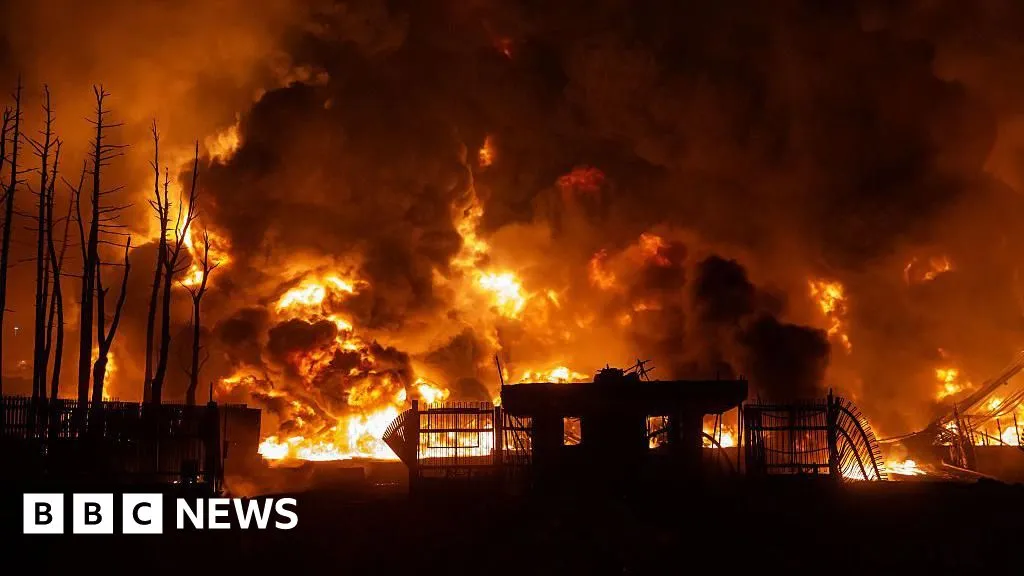
On March 10, a dramatic shift occurred when eight ballistic missiles and 26 drones were launched at the UAE, marking one of the most significant attacks in recent history. The UAE Ministry of Defence reported that most of these missiles and drones were intercepted, but the attacks still resulted in injuries and damage. Two individuals were injured by falling debris in Abu Dhabi, and the Ruwais refinery, one of the largest in the world processing 800,000 barrels of crude oil daily, was shut down due to a drone attack.
Casualties and Civilian Response
Since the first strike on February 28, six people have lost their lives in the UAE due to the ongoing missile attacks, with a total of 122 reported injuries. The impact on civilians has been profound, as evidenced by the experience of a family from Rajasthan who returned to India after being caught in the missile and drone attacks. Madan Gopal Baheti, a family member, expressed their terror, stating, “We were terrified to see smoke rising from missile and drone attacks in Abu Dhabi and Dubai.” This sentiment reflects the heightened fear among residents and visitors alike.
Expert Perspectives and Broader Implications
Experts have noted that the recent attacks signify a troubling escalation in regional tensions, particularly as the Houthis continue to demonstrate their capability to strike deep into UAE territory. The American Embassy in Abu Dhabi remains closed due to safety concerns, highlighting the international ramifications of the conflict. The ongoing situation raises questions about the future stability of the UAE and the safety of its residents.
Diplomatic Reactions and Future Outlook
The Indian diaspora’s strong presence in the UAE has prompted the Indian government to take action, with families like that of Raunak expressing gratitude for the support received during these turbulent times. Raunak noted, “The Indian diaspora has a strong presence abroad. We also thank the Indian government for bailing us out of trouble.” This reflects the importance of diplomatic relations in ensuring the safety of expatriates amid conflict.
Uncertainties and Ongoing Concerns
Despite the interception of most missiles and drones, the extent of damage to the Ruwais refinery and the timeline for its restart remain unconfirmed. Details remain unconfirmed. The situation continues to evolve, and the potential for further attacks looms large, leaving residents and authorities on high alert.
The abu dhabi missile attack has marked a significant escalation in the ongoing conflict involving the Houthis, with direct consequences for civilians and international relations. As the UAE navigates this challenging landscape, the focus remains on ensuring the safety of its residents and the stability of the region.