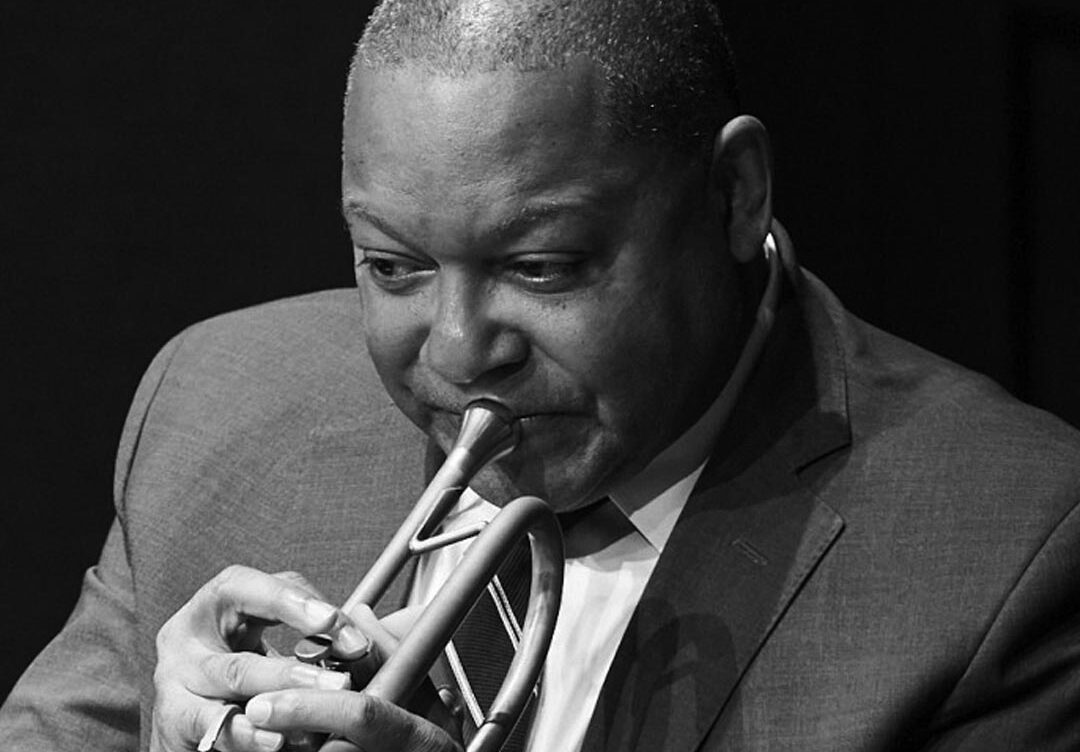
Wynton Marsalis: The Impact of a Jazz Icon
Introduction
Wynton Marsalis is a name synonymous with jazz excellence and innovation. As a renowned trumpeter, composer, and bandleader, he has significantly influenced the genre, bridging the gap between classical and jazz music. His contributions to the arts extend beyond his musical prowess; Marsalis advocates for cultural education and the preservation of jazz as an American art form. This article explores his lasting impact on music and his relevance in today’s cultural landscape.
Career Highlights
Born on October 18, 1961, in New Orleans, Louisiana, Marsalis was immersed in music from an early age, influenced by his family and the rich musical history of his hometown. He studied at prestigious institutions such as the Julliard School, where he honed his skills in both jazz and classical music. His breakout moment came in the 1980s when he became the first musician to win Grammy Awards in both jazz and classical categories in the same year (1983).
Throughout his career, Marsalis has collaborated with many of the greatest names in jazz and other music genres, including Art Blakey, Dizzy Gillespie, and Eric Clapton. His dedication to jazz education is notable; as the artistic director of Jazz at Lincoln Center, he has worked tirelessly to create programs that engage and inspire new generations of musicians.
Recent Developments
In 2021, Marsalis was awarded the National Medal of Arts by President Joe Biden, acknowledging his contributions to American culture. Recently, he has been active in promoting jazz through digital platforms and live performances, striving to reach audiences during challenging times such as the COVID-19 pandemic. He emphasizes the importance of community and connection through music, insisting that jazz has the power to heal and unite people from all walks of life.
Conclusion
Wynton Marsalis remains a pivotal figure in the world of music, not only for his remarkable trumpet skill and compositions but also for his commitment to preserving jazz as a vibrant part of American heritage. As he ventures forward, both as a performer and educator, the significance of his work will undoubtedly continue to inspire and influence future generations. For anyone interested in the evolution of jazz, keeping an eye on Wynton Marsalis is essential; his journey is a testament to the timelessness of this unique musical genre.