Wrexham: A Historical and Cultural Hub in Wales
Introduction
Wrexham, a town in North Wales, has become a focal point of interest not only for its rich history but also for its recent resurgence in popularity. Situated within the beautiful North East Wales region, Wrexham is the largest town in this area and serves as a gateway to the stunning Welsh countryside. Recent events have placed Wrexham in the global spotlight, especially following its acquisition by Hollywood actors Ryan Reynolds and Rob McElhenney, which has drawn attention to its football club and potential for economic growth.
Historical Significance
Wrexham boasts a history that dates back to Roman times, when it was known as Deva Victrix. The town’s historical significance is highlighted by its impressive sites, including St. Giles’ Church, a stunning example of medieval architecture, and the Wrexham County Borough Museum, which showcases the region’s rich industrial and cultural heritage. Wrexham was a crucial center during the Industrial Revolution, known for its coal mining and brick-making industries, which contributed greatly to its development.
Recent Developments
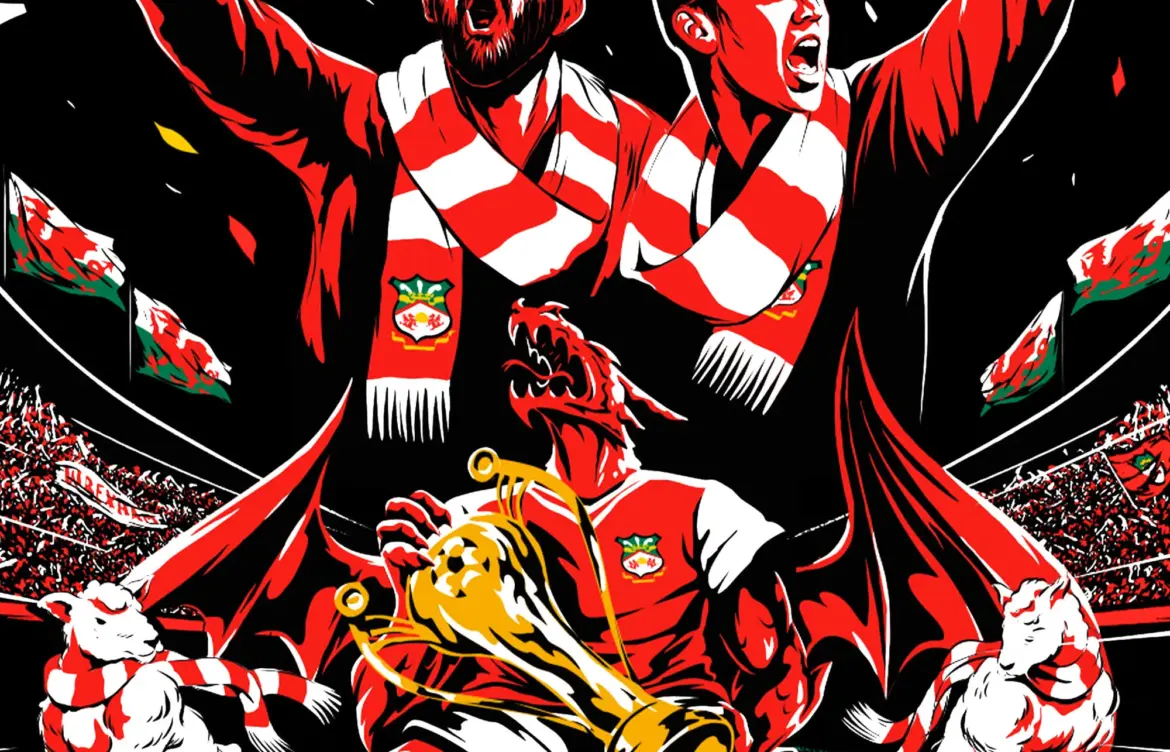
In recent years, Wrexham has gained prominence in the football world, largely due to the takeover by Reynolds and McElhenney in February 2021. The duo’s involvement has not only revitalized the Wrexham AFC football club but has also sparked interest in the town itself, leading to a surge in tourism and investment opportunities. The club has enjoyed improved performances in the National League and has gained a passionate following as fans flock to the Racecourse Ground to support the team. Their journey to promotion has also been chronicled in a docuseries, further enhancing Wrexham’s visibility.
Community and Culture
The town is home to a vibrant community and a dynamic cultural scene. Wrexham hosts various events throughout the year including the Wrexham International Comedy Festival and the Wrexham Food Festival, attracting visitors and promoting local businesses. The Arts Council of Wales supports numerous cultural initiatives in the area, funding projects that celebrate Wrexham’s artistic talents and heritage.
Conclusion
Wrexham is on a path of transformation and renewal, blending its rich historical narrative with modern developments that have positioned it as a prominent town in Wales. The ongoing investment and interest from notable figures illustrate a positive outlook for the community, with forecasts suggesting an increase in economic activity and tourism in the coming years. For readers, Wrexham represents a remarkable case of a town growing through the balance of honoring its past while embracing a promising future.